GOP Blocks Measure to Restrict Trump’s Venezuela Military Actions
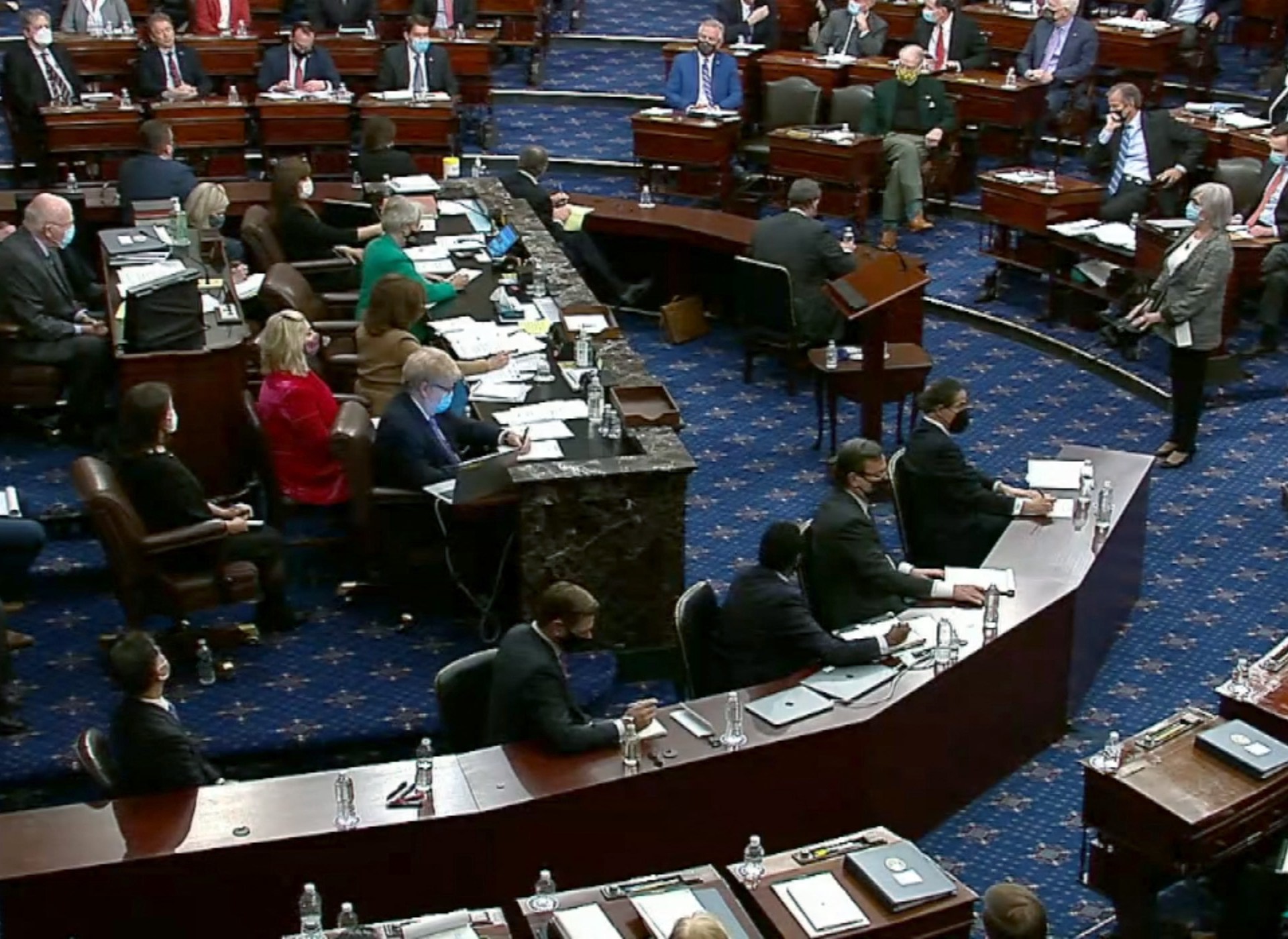
A resolution aimed at preventing President Donald Trump from deploying military forces to Venezuela without Congressional authorization narrowly failed in the House of Representatives on Thursday. The vote comes days after a similar measure stalled in the Senate, highlighting growing concerns over executive power in foreign policy matters.
The House vote resulted in a 215-215 tie, effectively defeating the resolution. The measure sought to direct the President to remove United States Armed Forces from Venezuela unless their presence was explicitly authorized by a declaration of war or a specific statutory authorization for the use of military force.
The vote largely fell along party lines in the closely divided chamber. Republicans, who hold a slim majority of 218 seats to the Democrats’ 213, almost unanimously opposed the resolution. Only two Republicans broke ranks to vote in favor, while all Democrats supported it.
Last week, a similar resolution in the Senate also ended in a tie, broken only by Vice President J.D. Vance’s tie-breaking vote. To secure the defeat of the House resolution, Republican leaders reportedly kept the voting open for over 20 minutes, allowing Representative Wesley Hunt, who was campaigning for a Senate seat in Texas, to rush back to the Capitol to cast his vote.
The tied vote underscores the increasingly tenuous grip that House Speaker Mike Johnson has on his majority, and points to mounting opposition within the Republican-controlled Congress to President Trump’s policies in the Western Hemisphere. The debate surrounding the resolution reflected a broader concern within Congress, even among some Republicans, about the extent of presidential power in foreign policy. Advocates for the resolution emphasized the constitutional principle that Congress, not the President, should hold the authority to commit American forces to war.
Opponents of the resolution argued that Congressional authorization was unnecessary, as the United States does not currently have troops on the ground in Venezuela. Supporters, however, maintained that the measure was vital to prevent President Trump from unilaterally escalating military involvement in the region.