Palestinian Shot Dead in Ramallah Amid Settler Violence
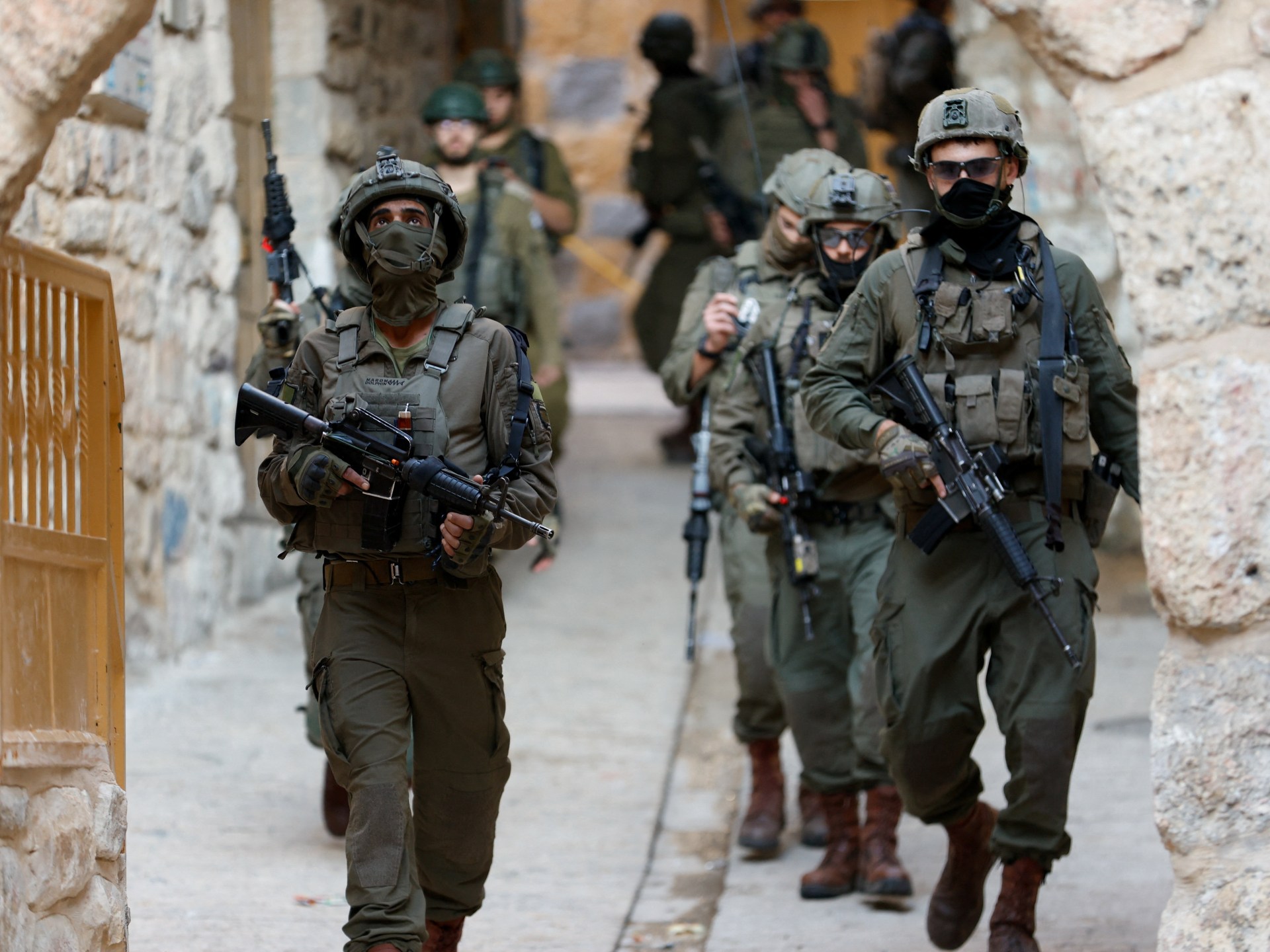
A young Palestinian man was killed today by Israeli forces near Ramallah in the occupied West Bank. The incident occurred amid reports of intensified Israeli military activity and escalating settler violence in the region.
According to reports, the Palestinian man was shot at close range by Israeli soldiers near the ‘Ayun al-Haramiya junction, north of Ramallah. He was pronounced dead at the scene.
Separately, Israeli forces conducted incursions into the towns of Turmusayya, Deir Dibwan, and the village of Burqa, all located in the Ramallah governorate. Security sources reported that military vehicles patrolled the areas, though no arrests were immediately reported.
Settler Violence Intensifies
In a separate incident, Israeli settlers reportedly set fire to two vehicles in an attack on the town of ‘Atara, north of Ramallah. Sources indicate that a group of settlers targeted the home of a Palestinian resident, Abdul Aziz Sarahna, setting fire to his vehicles and writing racist slogans. Local residents managed to extinguish the blaze.
The Palestinian Red Crescent Society also reported that a Palestinian woman was injured in an attack by settlers in the town of Bani Na’im, east of Hebron in the southern West Bank. On Saturday, two Palestinians were injured in a similar attack in the Khalleh al-Natsheh area, east of Hebron.
Furthermore, settler attacks have forced 15 Palestinian families to flee the Shlal al-Auja community, north of Jericho, bringing the total number of displaced families from the area to 94.
The escalating violence underscores the precarious situation facing Palestinian communities in the West Bank. Approximately 770,000 Israeli settlers reside in hundreds of settlements and outposts in the occupied West Bank, including 250,000 in East Jerusalem. These settlers are frequently accused of carrying out attacks against Palestinian civilians with the aim of forcibly displacing them.
In 2025 alone, settlers perpetrated 4,723 attacks, resulting in the deaths of 14 Palestinians and the displacement of 1,090 people from 13 Bedouin communities.