Yemen: Can Political Blocs Still Exert Influence?
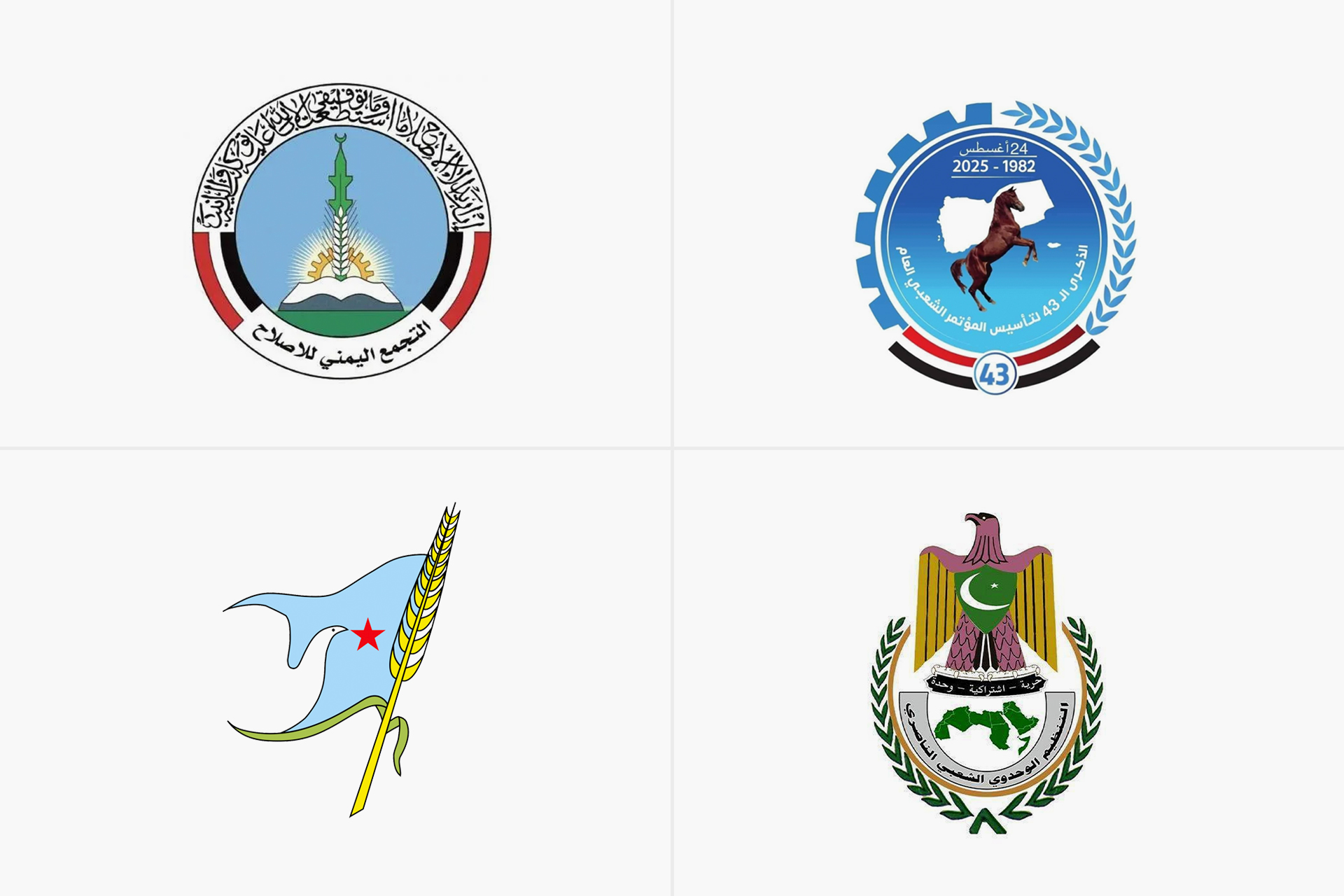
As Yemen continues to navigate a complex and rapidly changing political landscape, questions arise about the enduring influence of its various political blocs. The establishment of the ‘National Bloc of Parties and Political Components’ in Aden in November 2024, comprising 23 parties and political entities, including prominent groups such as the Islah Party and the General People’s Congress, has reignited this debate.
The formation of this bloc, led by Ahmed Obaid bin Daghr, former Prime Minister and Speaker of the Shura Council, prompts reflection on the effectiveness of political groupings amidst a perceived decline in the role and impact of party politics. This decline is attributed, in part, to the displacement of key party leaders, both internally and externally, due to ongoing conflict.
Analysts suggest that the fragmentation resulting from the war has significantly weakened the ability of political parties to effectively influence events and contribute to meaningful national transformation. The divisions within Yemeni political factions, exacerbated by the conflict that began in 2015, have reportedly hindered their ability to provide crucial support to the Presidency.
Despite these challenges, a shared commitment to restoring the state and safeguarding the republican system has served as a unifying principle for many parties. This commitment has fueled repeated attempts to consolidate political forces, often resulting in joint statements of support for the former President, Abd Rabbu Mansour Hadi.
One notable example is the ‘National Alliance of Political Forces,’ formed in April 2019, coinciding with a parliamentary session in Seiyun, Hadramout. This alliance, initially led by Rashad al-Alimi before his appointment as head of the Presidential Leadership Council, faced what some describe as political and media campaigns aimed at undermining its influence. However, it represented a positive step, injecting renewed hope into national political alliances and revitalizing parties that had been on the verge of political stagnation. The current question is whether these blocs can still influence the course of events.
The ongoing conflict and political fragmentation present significant obstacles, but the desire for a unified and stable Yemen remains a powerful motivator for political collaboration.