Venezuela’s Interim Leader Condemns US Interference
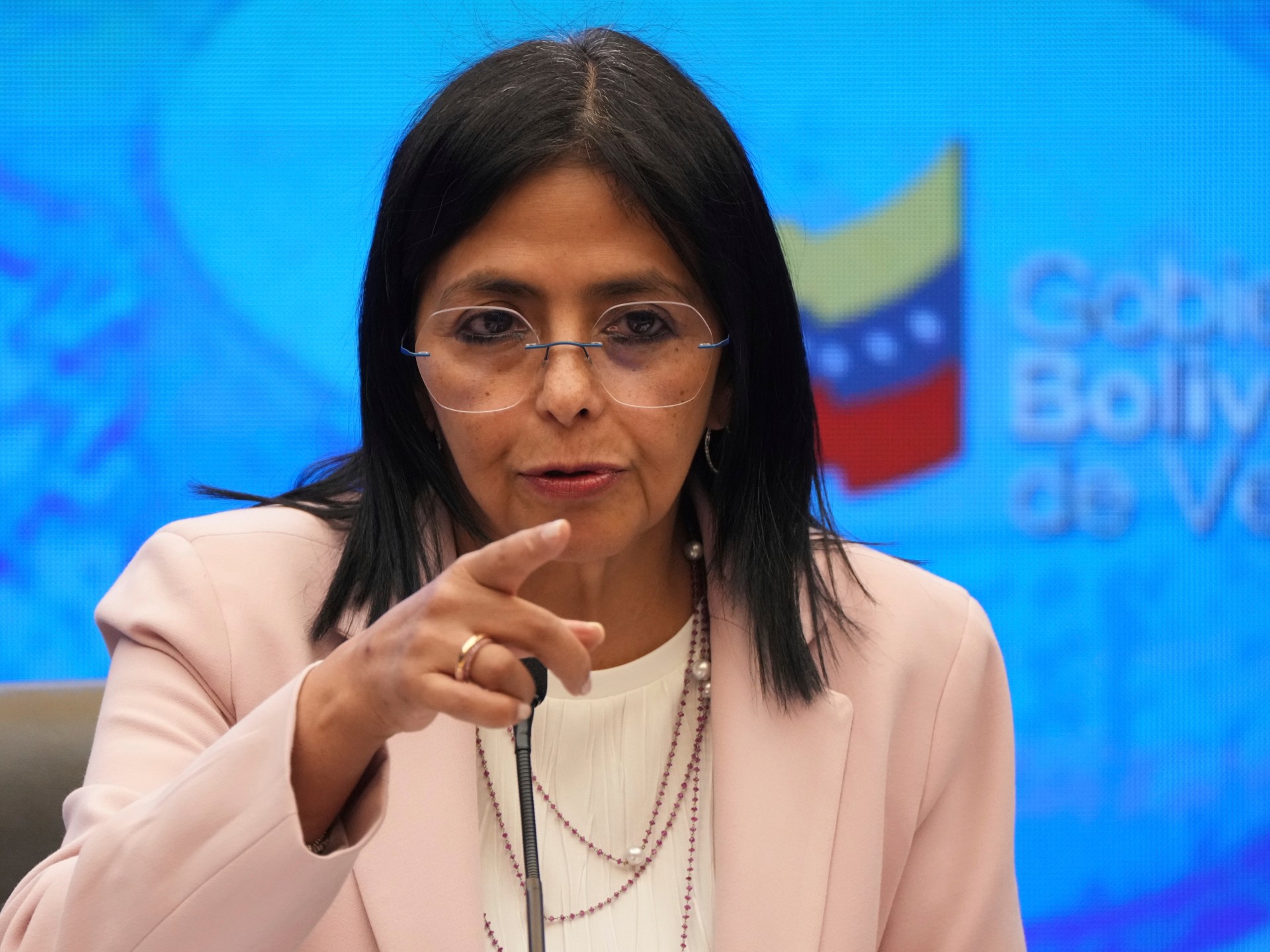
Venezuela’s interim President, Delsy Rodriguez, has strongly criticized the United States, demanding an end to what she described as unwarranted interference in Venezuela’s internal political affairs. Her statement comes amidst heightened tensions following the apprehension of President Nicolas Maduro by US forces during a recent operation.
Speaking to oil workers in Anzoátegui state on Sunday, Rodriguez asserted, “Enough with orders from Washington to Venezuelan politicians. Let Venezuelan politics resolve our internal differences and disputes. Enough intervention from foreign powers.” She emphasized that her government would not succumb to external dictates, stressing that the current situation necessitates national consensus, free from international pressure.
On Saturday, the interim president called for understanding and dialogue with the opposition to foster peace within the country. This appeal coincided with the release of political prisoners.
Venezuelan authorities announced the release of at least 104 political prisoners on Sunday, according to the human rights organization Foro Penal. The organization confirmed the releases via social media, stating, “We have verified the release of 104 political prisoners in Venezuela.” Foro Penal had previously reported the release of 80 prisoners earlier the same day.
Alfredo Romero, director of Foro Penal, indicated that the organization is verifying the cases and anticipates further releases. Gonzalo Himiob, a lawyer with the organization, explained that the releases occurred overnight and that the number is not final and may increase upon completion of verification processes.
The Venezuelan government claims to have released 626 detainees since December, a figure that does not align with estimates from human rights organizations, which suggest approximately half that number during the same period. Since assuming office on January 5th, Rodriguez, under pressure from the United States, has pledged to release political prisoners, as well as signing oil agreements with the US and initiating legislative reforms, including revisions to the hydrocarbons law.