Important Guidelines from the Fatwa Committee in Anticipation of Ramadan
The Ministerial Fatwa Committee has called for rationalizing consumption, avoiding extravagance and waste, and exercising caution while driving in anticipation of the holy month of Ramadan.
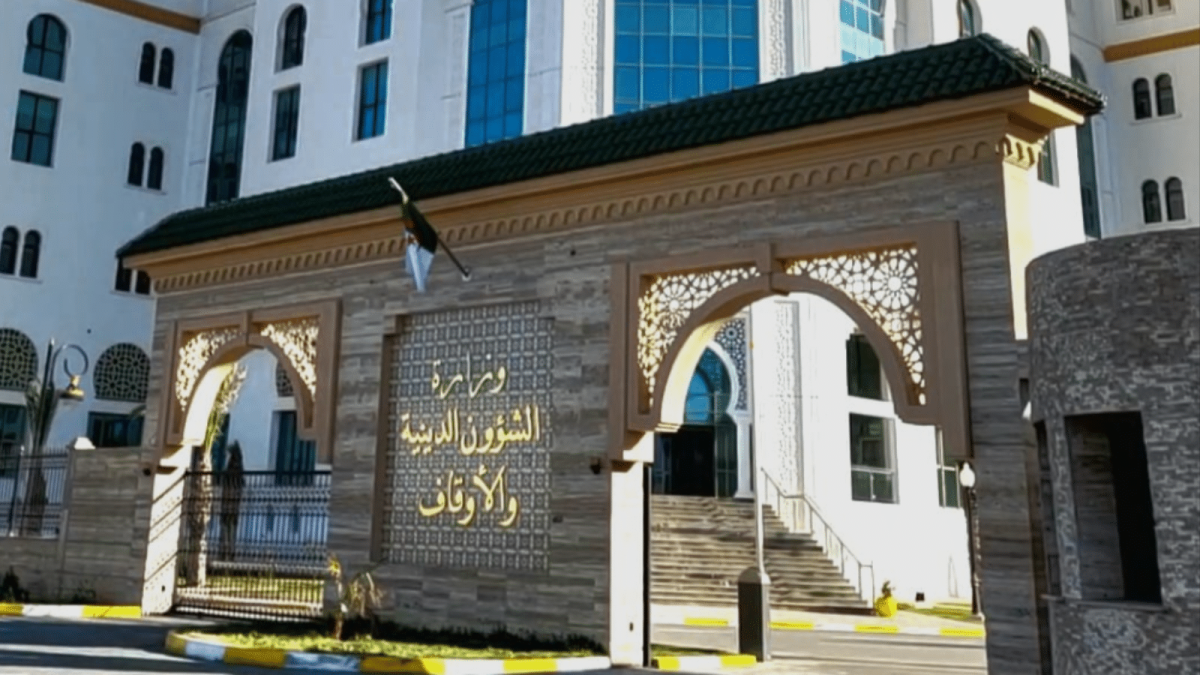
According to a statement from the Ministry of Religious Affairs and Endowments, the Ministerial Fatwa Committee held a meeting on Monday to discuss several issues related to the rules, ethics, and purposes of fasting, as well as the individual and social behaviors that accompany the holy month.
During the meeting, the committee urged those fasting to rationalize their consumption, avoid waste, and take necessary precautions while driving to preserve the objectives of Sharia. It also encouraged learning the jurisprudence of fasting in accordance with the national religious reference.
The committee called for consulting religious authorities and specialists for fatwas, while also seeking advice from medical professionals, particularly regarding exemptions from fasting.
Furthermore, it called on society to maintain high moral standards, good conduct, and self-control, while embodying the values of mercy, solidarity, and social cohesion, in addition to maintaining kinship ties and resolving disputes.
In the same context, the committee urged traders to demonstrate benevolence, mercy, honesty, and integrity, while avoiding cheating and excessive price hikes to uphold the values of fair trade.
The committee also recommended the necessity of adhering to the official prayer times according to the calendar prepared by the Ministry of Religious Affairs and Endowments in coordination with the Research Center in Astronomy, Astrophysics, and Geophysics, particularly for the Fajr and Maghrib times.
The committee confirmed the permissibility of paying Zakat al-Fitr in cash, taking into account the interests of the poor and making it easier for the givers.
Additionally, the committee invited citizens to embrace the spiritual atmosphere of Ramadan, draw closer to God through worship, and make the most of Tarawih prayers, reading the Holy Quran, and frequent remembrance.
Reference: link