Important Issues on the Government’s Agenda
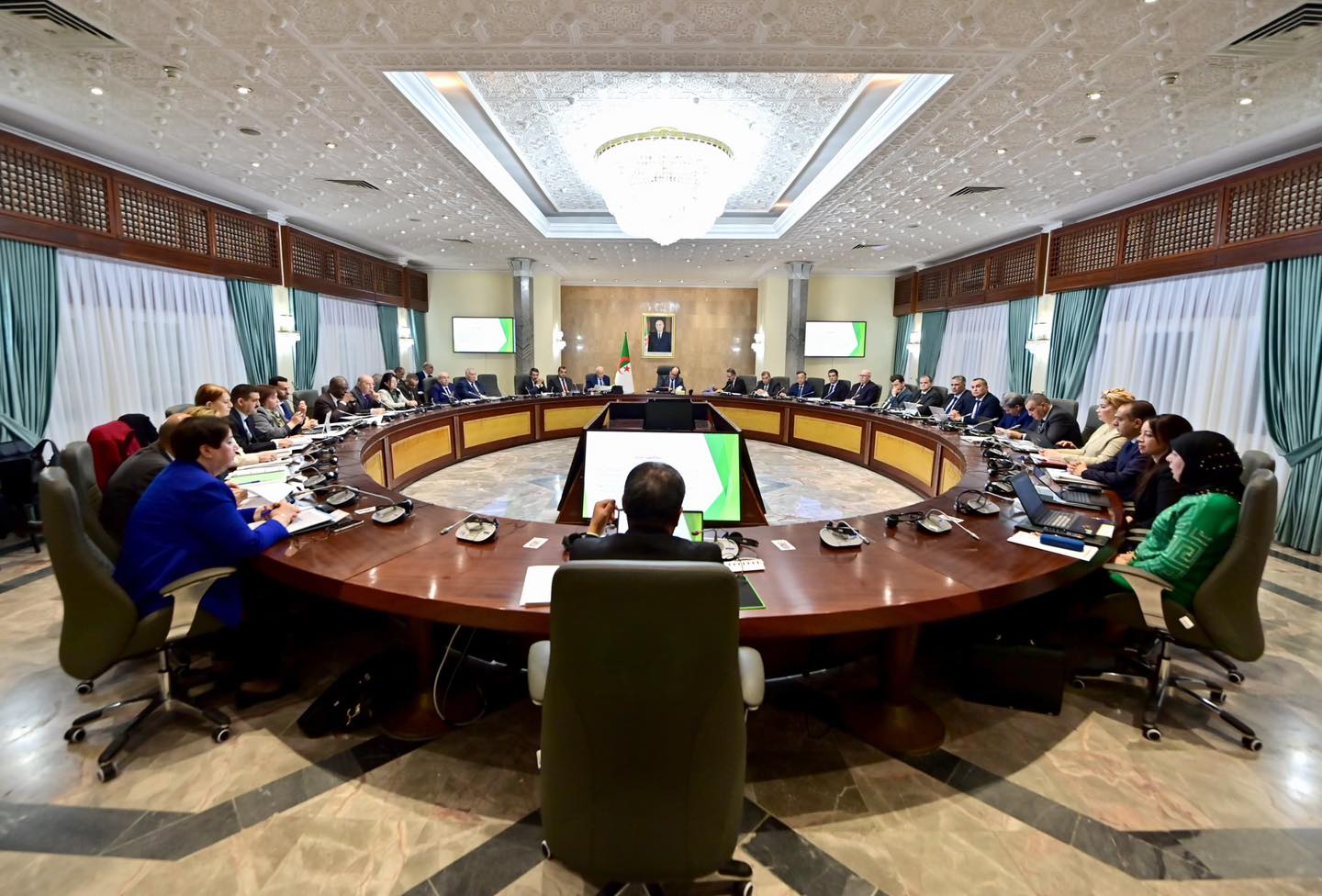
Prime Minister Seifi Gharib chaired a government meeting on Wednesday dedicated to studying several files. At the start of the session, the government examined a draft executive decree defining the conditions and procedures for the accreditation, operation, and monitoring of private educational institutions. This project aims to address imbalances and shortcomings observed in the field, featuring a new book of specifications that outlines the administrative, technical, and pedagogical obligations for private schools. The accreditation of these institutions will be subject to the requirements of the school map, and they are required to provide education consistent with national programs and curricula while respecting national constants.
Additionally, the government heard a presentation on the preparations for the Hajj season for the year 1447 AH/2026 AD, which included the most important organizational milestones and operations aimed at simplifying and easing Hajj procedures for pilgrims. To this end, contracts have been concluded for housing, catering, transport of pilgrims and luggage, and health supervision, in addition to digitizing organizational operations through the Algerian Hajj Portal and introducing electronic payment for Hajj costs. The importance of continuous coordination between sectors, institutions, and bodies involved in organizing the Hajj process was emphasized to enhance the honorable image of the country during this season.
Furthermore, the government studied the 2026-2028 roadmap for the vocational training and education sector, in anticipation of modernizing this sector to make it a true driver of economic development. This strategic plan includes a comprehensive reform of the educational system, aiming to enhance graduate employability, improve the quality of education, and diversify training offers to fully respond to labor market needs.
Within the framework of following up on major structural projects, the government received clarifications on the progress of the expansion works of the Port of Annaba, which is part of the implementation of the Integrated Phosphate Project.
Reference: link