How to avoid indigestion during Ramadan
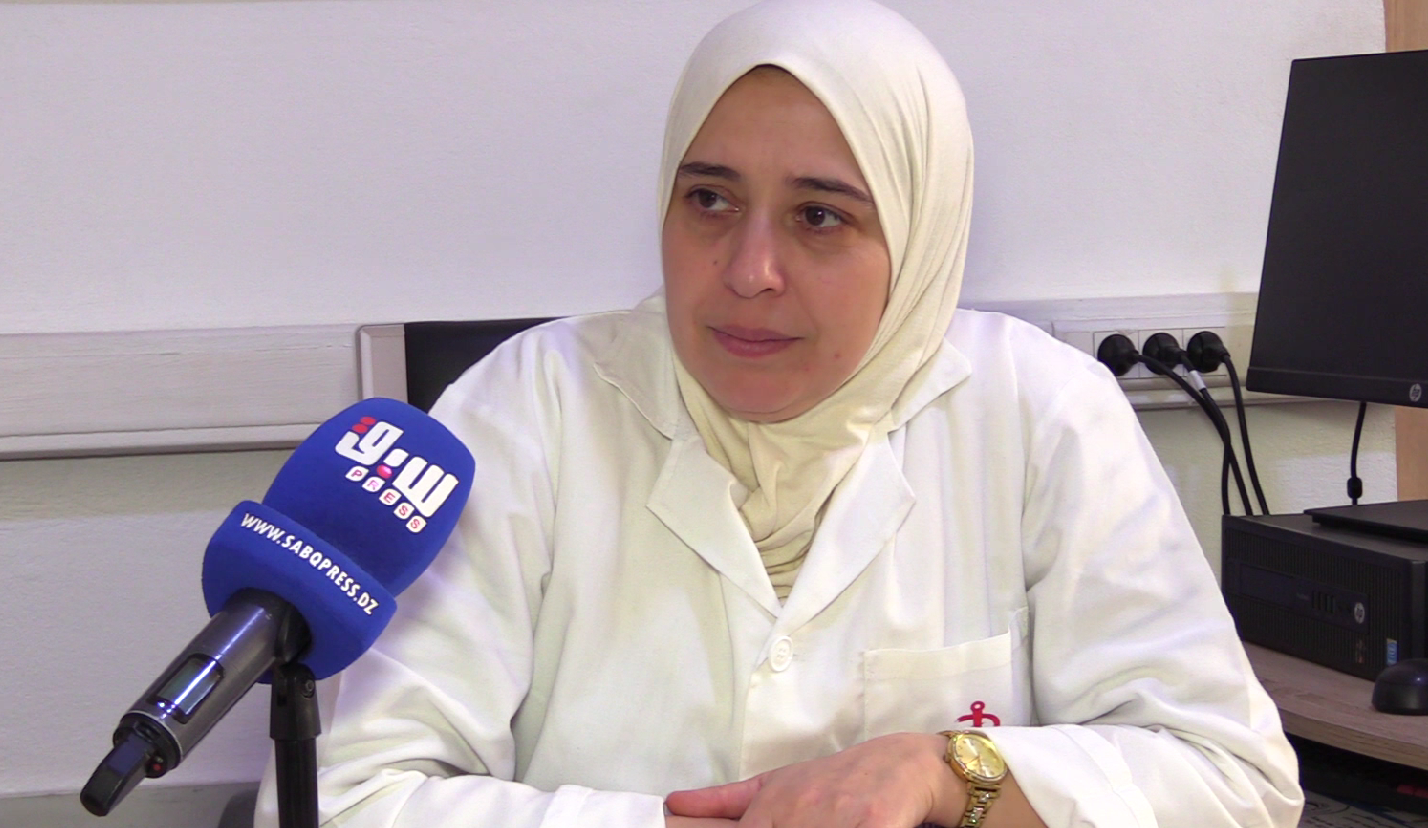
Dr. Karima Benrehla, a physician at Mustapha Pacha Hospital in Algiers, emphasized that the diet during the month of Ramadan must be balanced, including vegetables, fruits, proteins, and fluids. She provided essential advice for those fasting.
Regarding the ideal dietary pattern, Dr. Benrehla explained that all types of food can be consumed but in moderate and balanced quantities. She recommended a gradual approach to eating by dividing it into three meals: one at Iftar, the second after Tarawih prayers, and the last during Suhoor, to prevent indigestion.
Dr. Benrehla also stressed the necessity of drinking sufficient amounts of water, distributed between Iftar and Suhoor. She added that while all fluids—including water, fruit juices, and soup—contribute to hydration, water remains the best option to avoid dehydration.
The physician noted that cases of indigestion increase during Ramadan because people often consume large quantities of food all at once at sunset. She explained that the stomach is a vital organ with a limited capacity, necessitating a gradual intake of food. She suggested starting with dates and milk or water, followed by soup, and then the main meal in moderate portions.
Furthermore, she urged those fasting to avoid excessive sun exposure and staying up late for long periods, as a lack of sleep causes fatigue. This is particularly important for drivers, as many traffic accidents are linked to exhaustion and sleep deprivation rather than fasting itself.
Reference: link