Prime Minister: Laying New Foundations for a Strategic Partnership Between Algeria and Niger
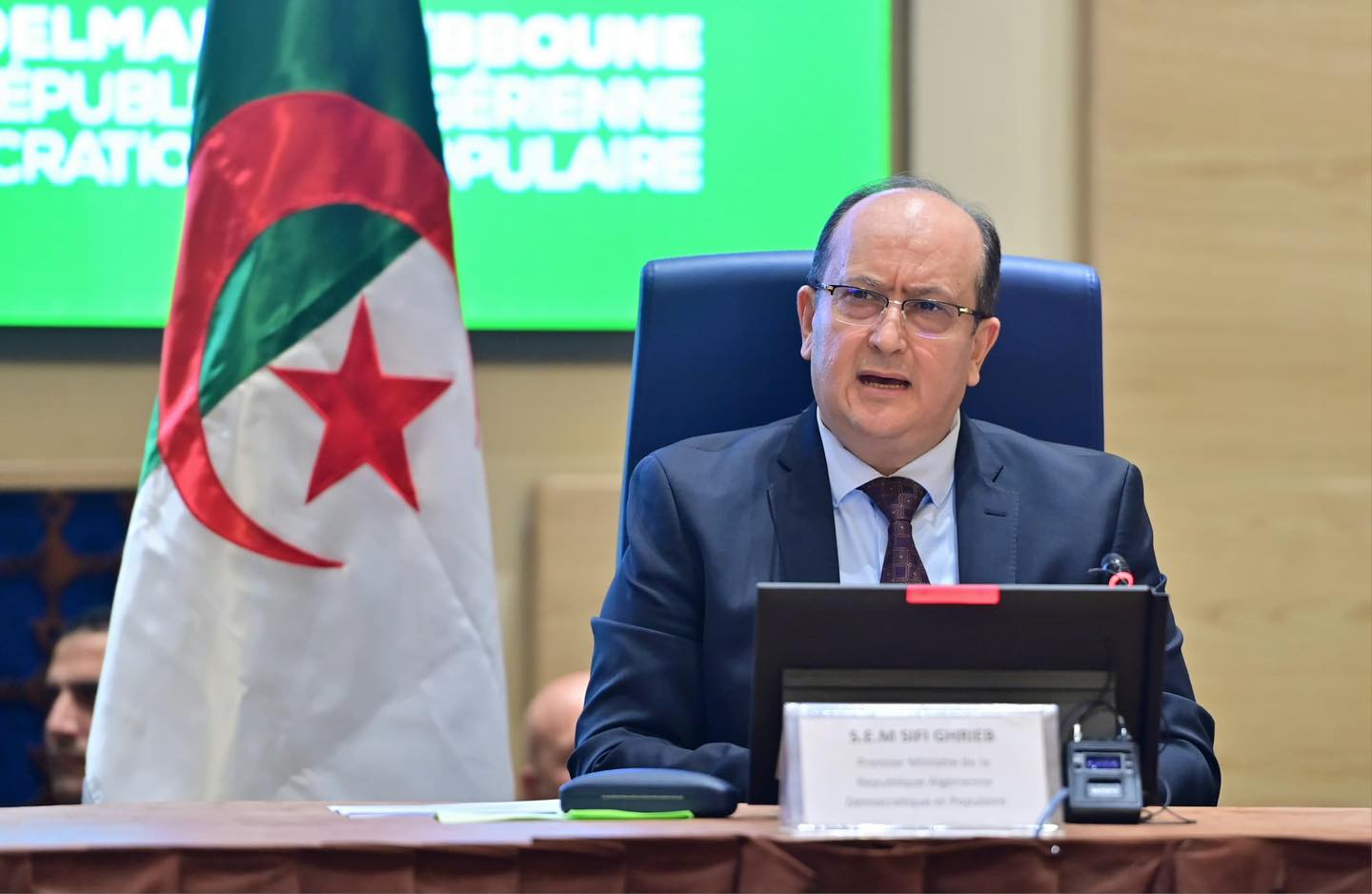
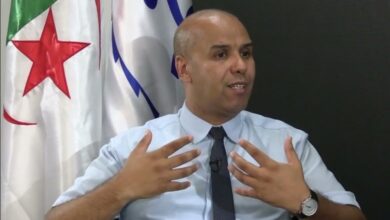
Prime Minister Saifi Gharib stated that the meeting of the Algerian-Nigerien Great Joint Commission for Cooperation, held today in Niamey, is a practical and immediate translation of the clear political will at the highest levels of both countries. In his opening speech, the Prime Minister emphasized that the meeting is not only to reaffirm the strength of political relations but to provide them with economic, developmental, and human dimensions that match their strategic depth and distinguished status.
He added that the primary goal is to transform the political dynamics launched by the leaders of both nations into tangible achievements, realistic projects, and measurable results on the ground, directly benefiting both countries and their brotherly peoples, particularly in border regions which represent a natural space for cooperation and integration.
He further noted that the meeting in Niamey, within the framework of the second session of the Great Joint Commission, represents a new milestone in the path of Algerian-Nigerien cooperation, describing it as a well-established institutional tradition reflecting a shared desire to consolidate dialogue, enhance consultation, and coordinate efforts.
The Prime Minister continued by stating that the meeting follows the historic visit of President Abdourahamane Tiani to Algeria on February 15 and 16, 2026, at the invitation of President Abdelmadjid Tebboune. He described that visit as a pivotal moment in bilateral relations that will remain etched in diplomatic and political memory as a decisive turning point, reaffirming the strong will of both leaders to elevate relations to broader horizons and overcome various temporary challenges.
During his speech, the Prime Minister indicated that the discussions between the two leaders led to the establishment of foundations for a new phase of strategic partnership between Algeria and Niger, based on mutual trust, shared ambition, and complete alignment of visions.
He revealed the signing of a significant number of agreements and memoranda of understanding in vital and diverse fields, including geological and mining research, energy in its various forms—including renewable energy and electrical interconnection—agriculture, health, vocational and university training, youth, sports, and culture, as well as telecommunications and digitalization.
In this context, he stressed the importance of strengthening cooperation in the energy sector, both in hydrocarbons and renewable energies, noting Algeria’s readiness to support Niger with its technical expertise in oil exploration and exploitation, the development of energy resources, and efforts to connect rural and border areas to the electricity grid.
Saifi Gharib also addressed the security context, emphasizing that the meetings are taking place amidst a sensitive security situation and increasing challenges in the Sahel-Saharan region. These challenges are manifested in the rising threats of terrorism, the growth of transnational organized crime, and the spread of various forms of illicit trafficking.
He concluded by stating that the crises in the region have direct repercussions on collective stability, which necessitates doubling diplomatic efforts and enhancing coordination between the two countries.