Algeria’s Trans-Saharan Gas Pipeline: A Bold Bid for African Energy and Economic Integration
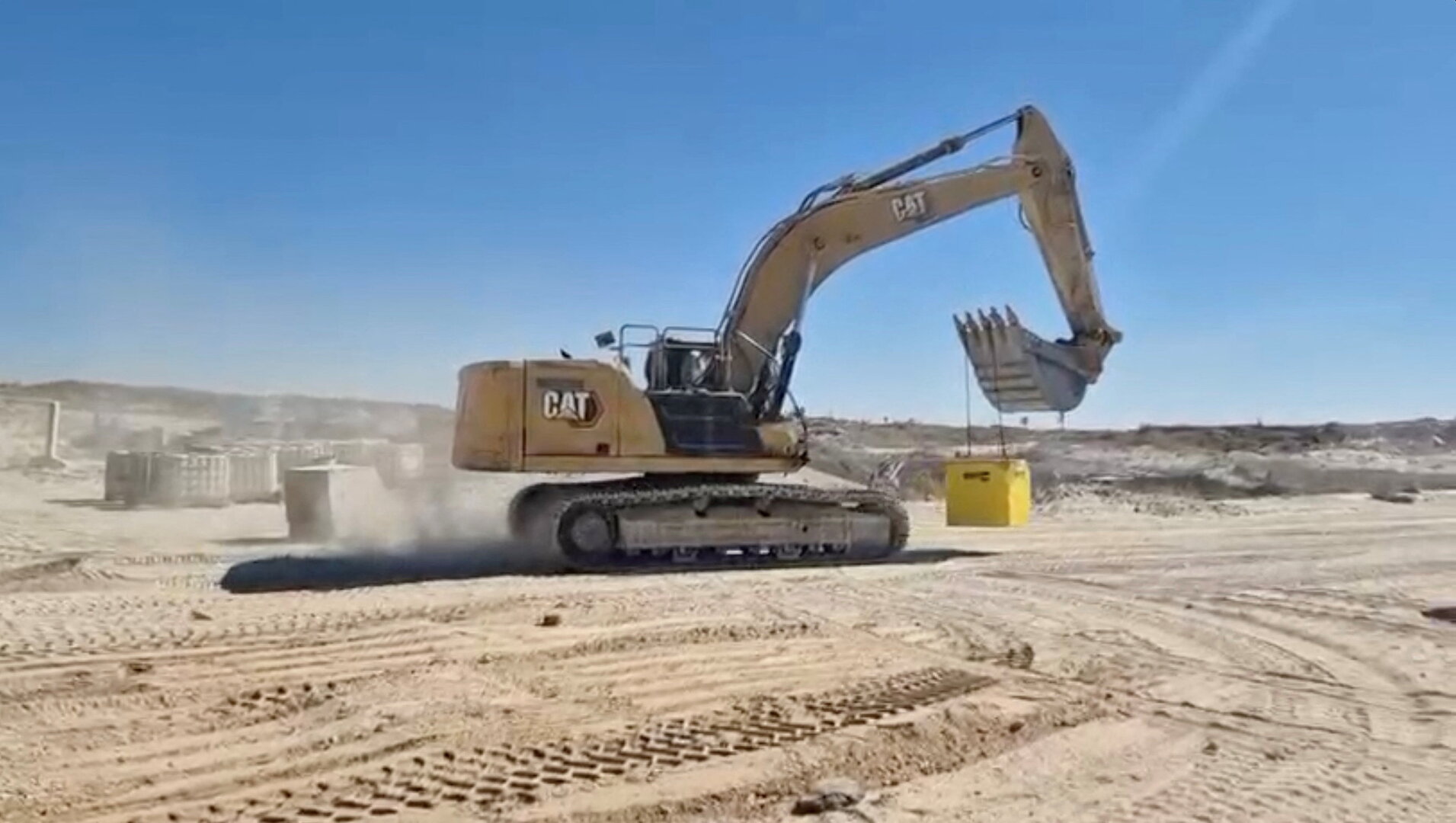
The Trans-Saharan Gas Pipeline (TSGP) stands as one of Algeria's most significant strategic undertakings, poised to reshape the energy and development landscape across the African continent. This ambitious project, stretching over 4,000 kilometers and connecting Nigeria to Algeria via Niger, transcends its primary function as a mere conduit for gas to international markets.
Algeria Trans-Saharan Gas Pipeline
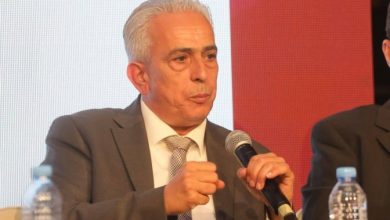
DZWatch understands the TSGP as a profound economic and developmental wager, whose scope extends beyond the energy sector to foster a more integrated and interconnected African space. Economist Professor El-Houari Tiguerci emphasizes that the project's true value lies not solely in the volume of gas it will transport but crucially in its capacity to ignite new economic dynamism along its route. This includes attracting investments, developing critical infrastructure, and stimulating industrial and commercial activity.
Professor Tiguerci points out that international experience demonstrates the success of large-scale energy projects when they evolve into integrated economic corridors. These corridors encompass industrial zones, robust transport networks, efficient logistical services, and development initiatives capable of generating wealth and creating employment opportunities. Should the TSGP materialize within this expansive vision, Algeria is strategically positioned to emerge as a major energy hub for both Africa and the Mediterranean.
Algeria's geographical advantage, extensive experience in the energy sector, advanced infrastructure, and established export networks to Europe further solidify this potential. The pipeline also offers a transformative opportunity to develop Algeria's southern regions, turning them into new economic poles rather than solely transit zones. Such an outcome would significantly enhance economic integration between North and West Africa, unlocking fresh avenues for investment and trade.
While the project holds immense promise, it faces considerable challenges, including the security situation in the Sahel region, the substantial financing required, intense competition in the global gas market, and volatile energy prices. Professor Tiguerci reiterates that the success of the TSGP will not be measured merely by its technical completion but by the participating countries' ability to leverage it as a platform for sustainable development. This involves establishing industrial zones and linking the pipeline to broader electricity, transport, and logistics projects.
The economist also stresses the vital importance of engaging the private sector and African institutions in supporting projects. Developing manufacturing and petrochemical industries alongside the pipeline is crucial to creating genuine added value, moving beyond the mere export of raw materials. In this context, Algeria has a historic opportunity to amplify its economic and diplomatic influence on the continent, not only as an energy producer and exporter but as a regional power capable of spearheading major African integration initiatives. The central question today is not just whether the Trans-Saharan Gas Pipeline can transport gas, but the extent to which Algeria and its partners will succeed in transforming it into an economic and developmental artery that will redefine the future of the Sahel region and Africa for decades to come.
Related topics: Trans-Saharan Gas Pipeline, Algeria energy strategy, African economic integration, Nigeria-Algeria gas, Sahel development, Algerian infrastructure
DZWatch provides English-language coverage of Algeria-focused developments for international readers.