Algeria Reinforces Child Protection with Robust Framework, 5,000 Daily Reports to National Hotline

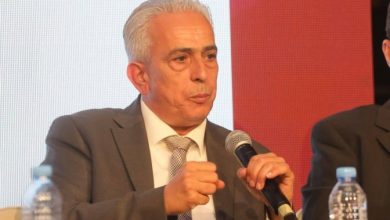
On the occasion of World Children's Day, Algeria has reaffirmed its profound commitment to safeguarding the rights and well-being of its children, a cornerstone of national policy championed by President Abdelmadjid Tebboune. Dalila Aliane, Secretary-General of the National Body for the Protection and Promotion of Childhood, highlighted the government's unwavering dedication during a recent interview.
Algeria child protection
Aliane underscored that child welfare remains a top governmental priority, anchored by the 2020 constitutional revision that enshrined the principle of the child's best interest, aligning seamlessly with the International Convention on the Rights of the Child. This constitutional entrenchment guarantees fundamental rights, including free education, access to healthcare, and comprehensive social protection. Furthermore, specific mechanisms have been established to support children of unknown parentage, those with special needs, and high-potential youth, all integrated into the national legislative framework to enhance legal protection.
Algeria has also made remarkable strides in education, boasting a near 99% schooling rate for children—a figure that positions the nation among the top performers in the Arab and African regions. This achievement reflects dedicated efforts to ensure every child's right to instruction and foster their social integration. Annually, the National Body for Child Protection and Promotion submits a detailed report to the President, assessing progress against international commitments and constitutional guarantees related to children's rights.
The country's proactive strategy blends prevention with comprehensive support. Algeria has enacted a specific child protection law and established a dedicated national body, in line with international recommendations, responsible for submitting periodic reports to relevant UN bodies. On the ground, the National Body conducts regular awareness campaigns targeting families, particularly those facing social challenges, to combat issues such as school dropout, lack of healthcare, economic exploitation, begging, and various forms of violence.
A critical component of this protective ecosystem is the national toll-free number, '1111'. Accessible from both landlines and mobile phones, this vital service receives approximately 5,000 notifications daily. These reports are swiftly handled by a multidisciplinary unit that assesses each situation and implements appropriate support measures. The calls extend beyond merely reporting violations; they also include requests for advice, guidance, and accompaniment from parents, children themselves, and other community members.
Recognizing the growing digital landscape, Algeria has innovated its approach to online child safety. The National Body for Child Protection and Promotion recently established a cybersecurity watch unit. This specialized cell monitors the digital sphere to detect and counter online exploitation and threats targeting children. Working in close coordination with the Ministries of National Defense and Interior, Local Authorities, and National Planning, the unit combats cross-border cybercrime and addresses digital risks in an increasingly interconnected world. Through these multifaceted institutional, legal, and operational mechanisms, Algeria continues to fortify its child protection policies, striving to ensure a safer, more inclusive, and rights-respecting environment for future generations.
Related topics: Algeria child rights, child protection, national hotline 1111, child education Algeria, cybersecurity children, Dalila Aliane
DZWatch provides English-language coverage of Algeria-focused developments for international readers.