Ontario Wildfires Expand to 735,000 Hectares as Thousands Evacuate
Wildfires burning across the Canadian province of Ontario have expanded to approximately 735,000 hectares, compared with nearly 650,000 hectares over the weekend, as firefighters continue their efforts to contain the rapidly spreading blazes.
Ontario Premier Doug Ford said during a press conference that the province was battling around 190 active wildfires, most of them located in remote and difficult-to-access areas in northern and northwestern Ontario. About 1,800 residents have been evacuated from sparsely populated communities threatened by the fires.
Ford stressed that provincial authorities would continue mobilizing the necessary financial, human and technical resources to fight the fires and protect affected communities. Firefighting teams, aircraft and emergency personnel have been deployed as officials assess whether additional evacuations will be required.
Thirteen communities had either completed evacuations or were in the process of relocating residents, while a decision concerning another community remained under consideration. At least 56 of the active fires were classified as out of control.
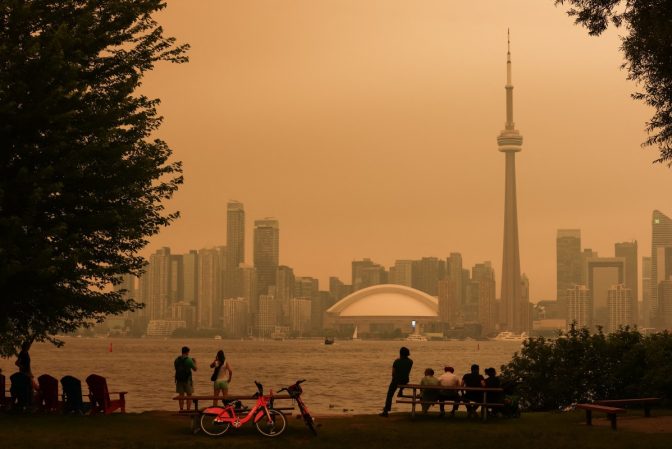
Smoke generated by the fires in northern and western Ontario also spread over large parts of Canada and the United States. Toronto experienced extremely poor air quality last week, with thick smoke and haze covering the city and prompting official health warnings. Residents, particularly children, elderly people and those with respiratory or cardiovascular conditions, were advised to limit outdoor activities.
More than 800 wildfires were active across Canada in mid-July, although the precise nationwide number and total burned area continued to change as new fires emerged and others were brought under control. The federal government had previously warned that above-average summer temperatures and increasingly dry vegetation could intensify the 2026 wildfire season.
Emergency crews remain focused on containing the fires, supporting displaced residents and reducing the risks facing northern and Indigenous communities.