UNESCO Praises Algeria’s Efforts to Protect the Tipasa Archaeological Site
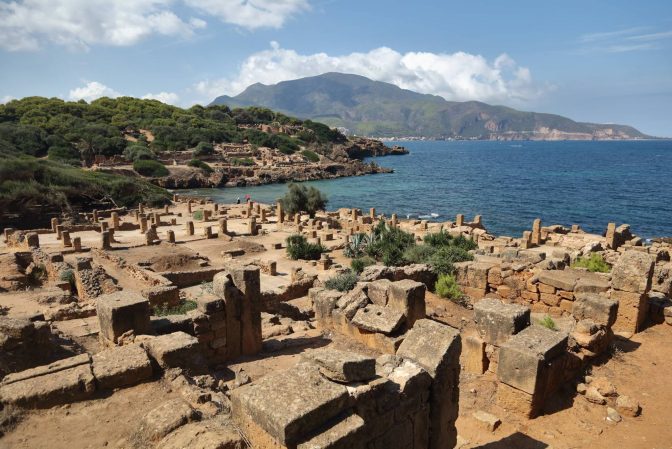
UNESCO has commended Algeria’s efforts to preserve and manage the archaeological site of Tipasa, which is listed as a World Heritage Site.
The recognition came during the 48th session of UNESCO’s World Heritage Committee, held in Busan, South Korea, according to a statement issued on Tuesday by Algeria’s Ministry of Culture and Arts.
The ministry welcomed the committee’s decision concerning the technical report on the conservation of the Tipasa site. It said the committee unanimously adopted a resolution explicitly acknowledging the measures undertaken by the Algerian authorities to ensure the effective and sustainable management of the site.
The decision also recognized Algeria’s efforts to protect the tangible and intangible elements that preserve the authenticity and historical significance of this exceptional cultural landmark.
According to the statement, the World Heritage Committee congratulated Algeria on preparing a management plan for the site covering the 2025–2030 period. The committee considered the effective implementation of the plan to be a strong foundation for the long-term administration of the site and the protection of its outstanding universal value.
The Ministry of Culture and Arts reaffirmed its commitment to implementing the technical recommendations included in the committee’s decision.
It also pledged to submit an updated report to the UNESCO World Heritage Centre by December 1, 2028. The report will outline the site’s state of conservation and the progress achieved in applying the recommended measures.
The ministry stressed that protecting Algeria’s national heritage remains a top priority, as it reflects the country’s identity and its deep historical roots.
The Tipasa archaeological site, located along Algeria’s Mediterranean coast, is one of the country’s most significant historical landmarks. UNESCO’s recognition highlights the importance of continued national efforts to preserve the site for future generations while ensuring that its cultural and historical value is maintained.