Indigenous Solutions Drive Algeria’s Technological Self-Reliance
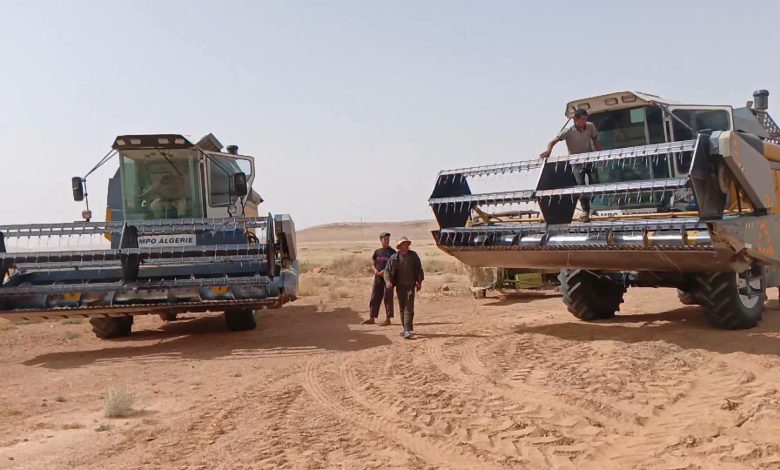
Algeria is actively developing national technological self-reliance through the establishment of indigenous platforms designed to provide solutions tailored to local conditions. Young Algerian companies are at the forefront of this initiative, focusing on vital sectors such as energy, sustainable agriculture, natural resource valorization, and data management. This strategic push aims to foster innovation and ensure that technological advancements directly address the specific needs and realities within Algeria, rather than relying solely on external solutions.
Among these innovative ventures is Farabi, a platform founded by Abdelhakim Benali, which applies methods from petroleum engineering to agriculture. Farabi utilizes data, modeling, and resource monitoring to create a digital layer that enhances understanding of Algerian agricultural territories, integrating factors like soil, water, climate, crops, and biomass. This project is integral to the Algerian Smart Sustainability & Energy Transition (ASSET) ecosystem, supported by entities such as ANVREDET, Institut Haba, INVA, and IAP. Farabi's phased development involves pilot projects, progressing from initial tests to a comprehensive national model aimed at identifying and monitoring agricultural carbon deposits and environmental services across key regions.
Another notable contributor is Nabatic, an Algerian startup founded by Mourad Brahami, specializing in AI-based AgriTech solutions. Nabatic develops Fito for crop disease diagnosis and Croplix for managing agricultural inputs, directly addressing the significant harvest losses often linked to delayed problem detection. The "Made in Algeria" approach championed by Nabatic prioritizes local languages, products approved in Algeria, and solutions adapted for simple mobile phones and unstable connections, ensuring practical applicability. The company ensures data is hosted nationally and employs an Algerian technical team, underscoring the commitment to indigenous capabilities and solutions that genuinely serve the country's agricultural sector effectively.