German Firms Join Algeria on Oil, Gas, Green Hydrogen Projects
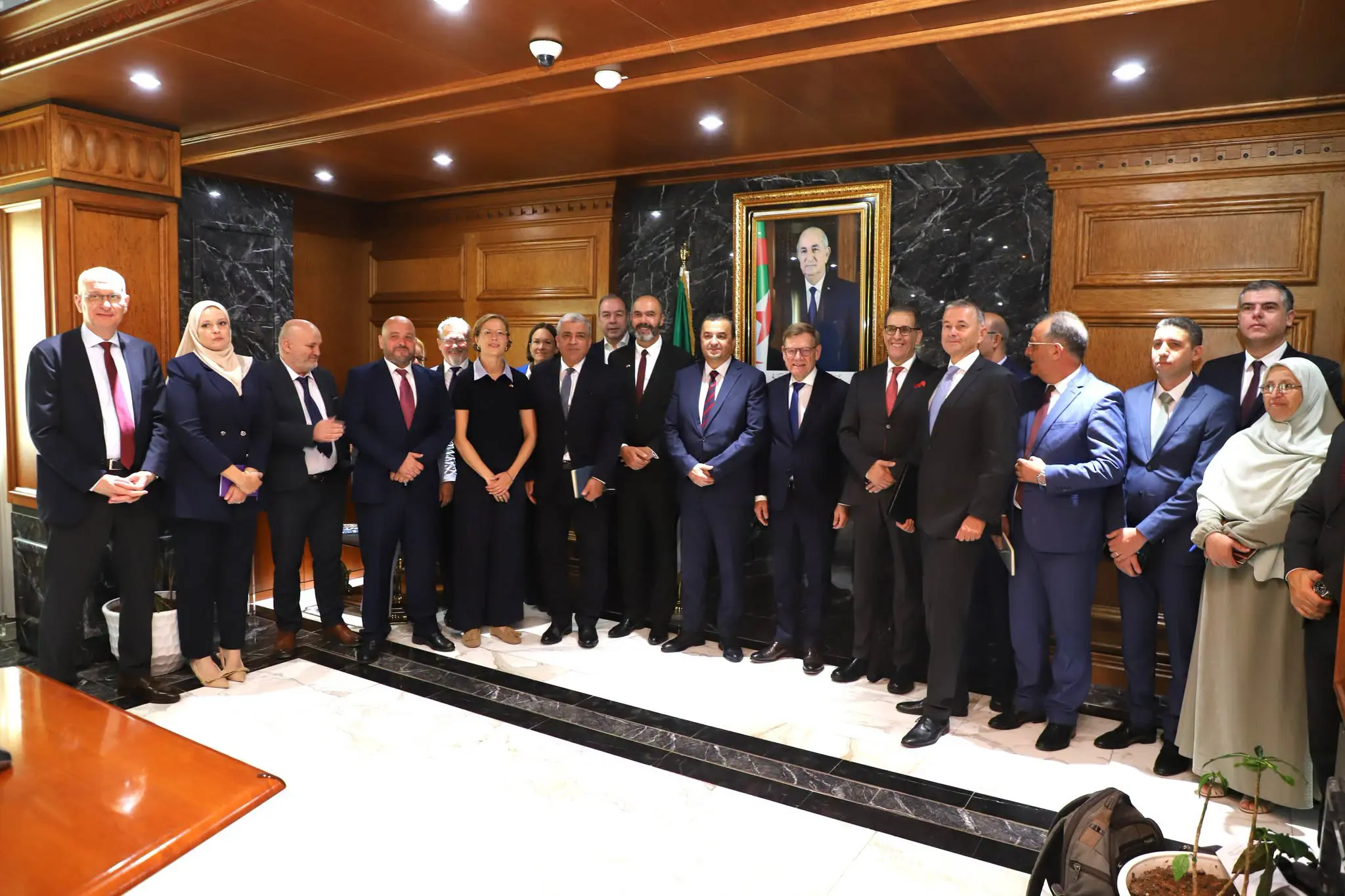
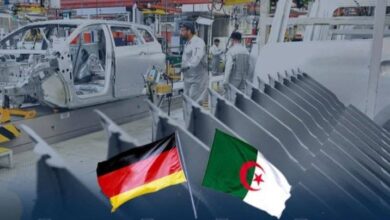
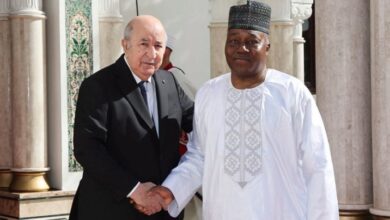
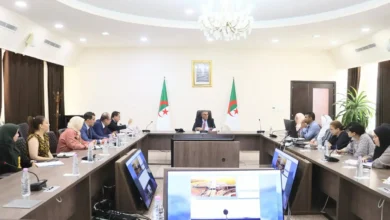
Algeria and Germany are reinforcing their strategic energy partnership, aiming for enhanced bilateral cooperation and industrial collaboration across sectors of mutual interest. This significant development follows President Abdelmadjid Tebboune's official visit to Berlin on July 16-17, 2026, which provided a major impetus to Algerian-German relations. Recent high-level discussions saw Minister of Hydrocarbons Mohamed Arkab host German Foreign Minister Johann Wadephul, accompanied by a substantial delegation, to outline a strengthened energy relationship focusing on the adoption of low-carbon technologies.
The discussions spanned a broad range of technical and commercial domains, including conventional oil and gas, engineering, infrastructure, and industrial equipment manufacturing, particularly for seawater desalination. Central to the agenda was the commercialization of natural gas and liquefied natural gas (LNG), alongside integrating low-carbon technologies within the hydrocarbon industry. Both parties also reviewed joint projects led by the national company Sonatrach, in coordination with the Ministry of Energy and Renewable Energies, which are targeting the development, production, and marketing of green hydrogen and green ammonia, as well as establishing a local industry for specialized equipment like electrolyzers.
German firms, including Bosch Energy, Thyssenkrupp Uhde, VNG, and Siemens Energy, participated in the exchanges, demonstrating significant interest in strengthening their presence in the Algerian market and engaging actively in structuring projects such as the future SoutH2 Corridor. Minister Arkab emphasized the critical importance of German expertise for Algeria's priority projects, notably the national petrochemical sector's development, and offered full support and facilities for German companies investing in the country, inviting their participation in the upcoming "Algeria Bid Round 2026." Minister Wadephul, in turn, acknowledged Algeria's pivotal role as a reliable energy partner.
Further cooperation opportunities were explored in training, technical assistance, expertise transfer, and capacity building. Environmental considerations were also highlighted, with dedicated cooperation axes focused on reducing, managing, and recovering methane emissions, alongside promoting local content and industrial technologies applied to hydrocarbons. Both nations have committed to continuing these consultations to build a lasting economic partnership capable of addressing energy transition challenges and reducing the industrial carbon footprint.