Domestic Harvests Strengthen Algeria’s Food Sovereignty
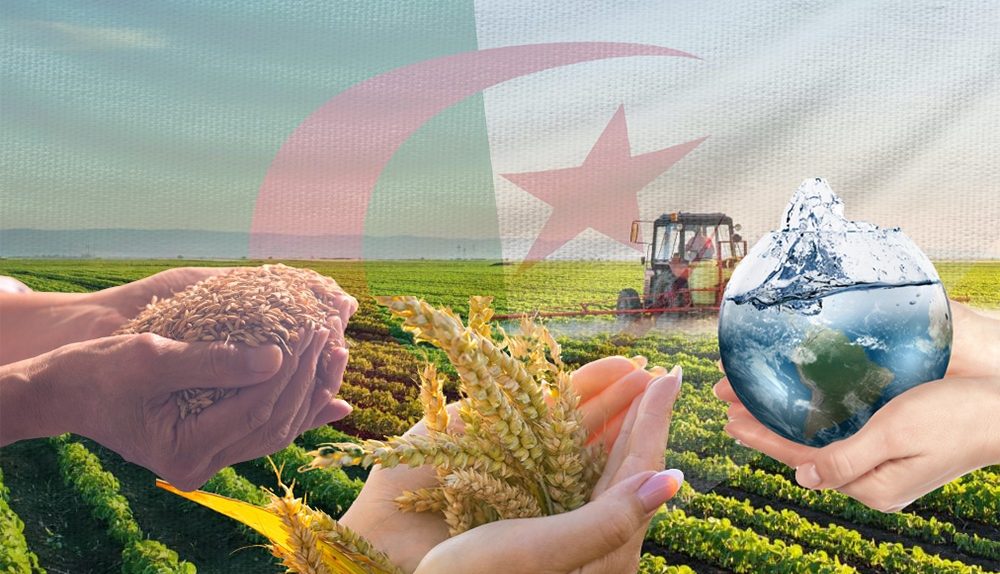
Algeria is embarking on a strategic shift to enhance its food security by significantly reducing its dependence on imported wheat and bolstering domestic grain production. Data from the U.S. Department of Agriculture indicates a projected decrease in Algerian wheat imports to approximately 8.5 million tons during the 2026/2027 season, down from 9 million tons in the preceding period. This concerted effort to diminish the import bill, even as domestic wheat consumption is expected to reach 12.575 million tons, underscores Algeria's commitment to developing its local production capabilities and improving agricultural yields.
Economist Kouachi Mourad affirms that these developments reflect important shifts in food security balances and highlight Algeria's progress in agricultural production. Mourad emphasizes that every increase in local output and each ton produced domestically instead of imported represents a vital step towards strengthening national food security and reducing import costs. Algeria's strategic framework includes leveraging vast agricultural lands, expanding large-scale farming projects, and developing cultivation in the southern regions and high plateaus. These initiatives are supported by increased investments in mechanization, advanced irrigation systems, and agricultural inputs, all geared towards achieving higher yields per hectare.
The national strategy also encompasses improving seed quality, developing climate-resilient varieties, and adopting modern agricultural techniques, coupled with robust scientific research support. Furthermore, Algeria has made substantial strides in diversifying water sources and enhancing irrigation technologies, which are crucial for stable grain production. Beyond national self-sufficiency, strengthening Algeria's agricultural production capacity opens significant opportunities for economic expansion and cooperation within Africa. The nation's expertise in irrigation, desert farming, mechanization, and technology transfer positions it to forge partnerships with other African countries, fostering South-South collaboration and potentially leading to integrated production and investment ventures across the continent. This holistic approach not only strengthens Algeria's food sovereignty but also drives economic diversification and establishes new avenues for Algerian-African partnerships.