Algiers Conference Highlights Anti-Trafficking, Demining Prowess
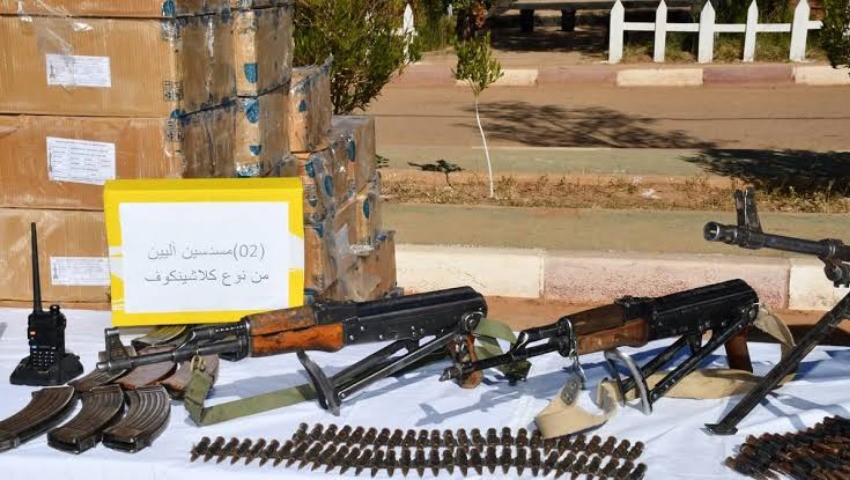
Algeria's significant experience and expertise in addressing illicit trafficking of small arms and light weapons (SALW) were highlighted at a recent high-level roundtable in Algiers, organized as part of the 10th edition of "Africa Amnesty Month." Participants unanimously acknowledged Algeria's deep understanding of the close link between illicit SALW trafficking, terrorism, and transnational organized crime. The nation's approach relies on strengthening its national capacities, legal and security frameworks, and regional cooperation.
A key aspect of Algeria's security contributions includes its extensive demining operations, which commenced immediately following independence in 1963 to clear an estimated 11 million mines left by the French occupation. Despite challenges such as imprecise maps, varied terrain, climatic conditions, and mine displacement, the National Popular Army (ANP) utilized its own experience, human resources, and resources to conduct these operations. By 2024, the Ministry of National Defense (MDN) reported that the ANP had eliminated approximately 9 million mines and demined over 62,000 hectares of land. Algeria was among the first nations to ratify the Ottawa Convention, fulfilling its commitments to demining, stock destruction, and supporting landmine victims.
In the realm of combating arms trafficking, Algeria employs an integrated legal and institutional framework designed to prevent smuggling, trace funding sources, and dismantle criminal networks. The country actively ensures the full implementation of the United Nations Program of Action to prevent, combat, and eradicate the illicit trade in small arms, regularly submitting national reports to the UN. Furthermore, Algeria has ratified the United Nations Convention against Transnational Organized Crime and its protocol concerning the illicit manufacturing of and trafficking in firearms, their parts, components, and ammunition.
To bolster its capabilities, Algeria has reinforced national services in ballistic identification, arms tracing, and information exchange. It has also intensified border controls and enhanced coordination among Customs, Police, and the National Gendarmerie to identify and dismantle arms and ammunition trafficking networks. This multifaceted approach, which highlights the intrinsic link between illicit arms trafficking, terrorism, and transnational organized crime, underscores Algeria's crucial contribution to security cooperation mechanisms at both regional and African levels, a dynamic confirmed by the United Nations Regional Centre for Peace and Disarmament in Africa (UNREC).