
New Red Tuna Regulations Enhance National Fishing Practices
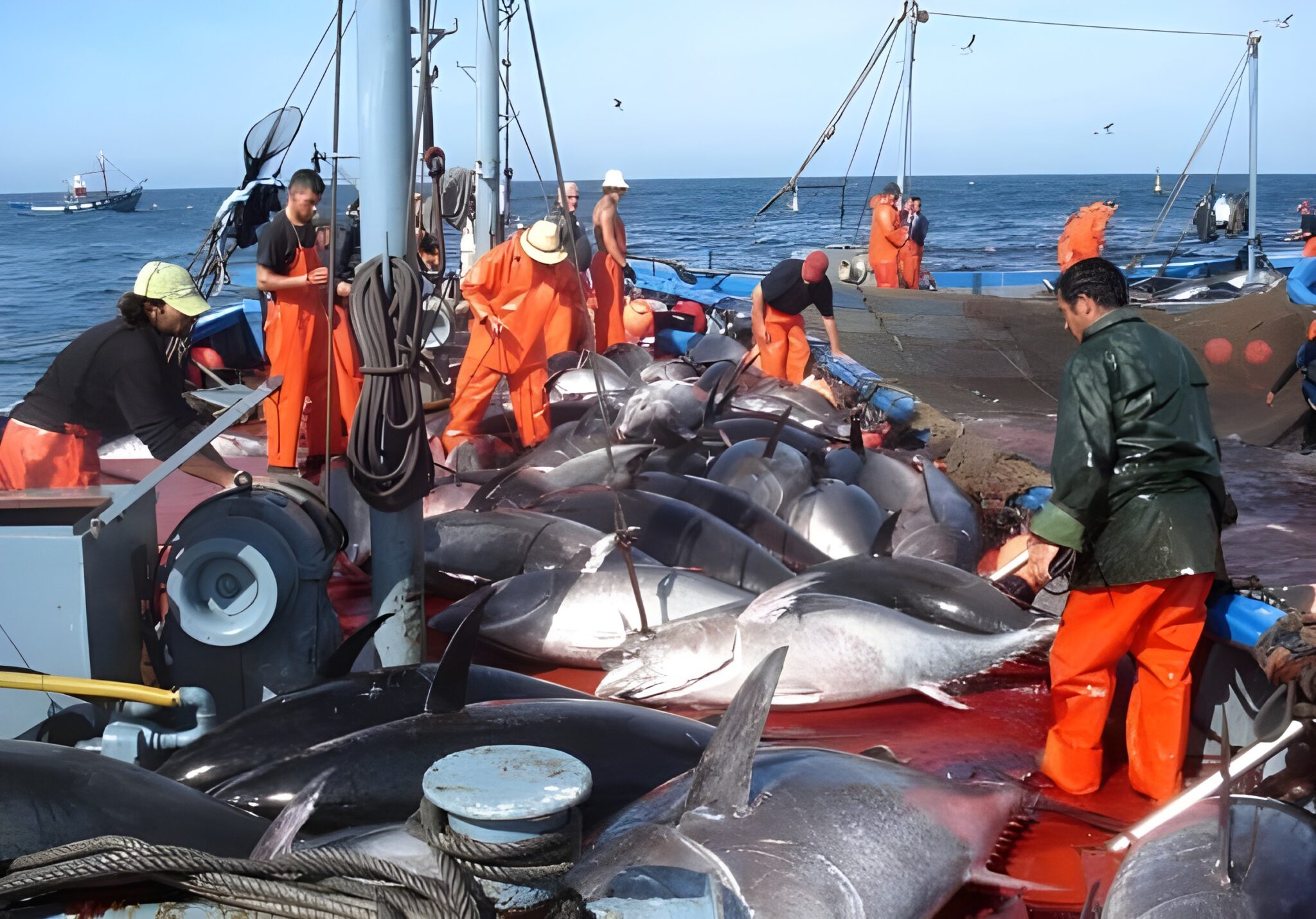
Algeria has significantly updated its red tuna fishing regulations, as outlined in a ministerial decree published on April 30. This new directive revises and enhances the framework initially adopted in February 2024, specifically targeting vessels operating under the national flag. The core objective of these revisions is to align national fishing practices with the stringent international traceability requirements governing red tuna, a species subject to extensive global monitoring. The comprehensive update covers various aspects, including control of offshore operations, live fish monitoring, and the oversight of fattening facilities, leaving no detail to chance.
A key enhancement in the new regulation is the introduction of advanced technical tools to improve oversight and accuracy. These include the electronic capture document (eBCD), which digitizes the administrative tracking of catches from initial capture to commercialization. Additionally, stereoscopic 3D cameras are now mandated to produce three-dimensional images, enabling precise measurement of fish size with a reduced margin of error. This technology facilitates a more reliable estimation of the number of captured individuals and their cumulative weight. Such accuracy is crucial given the strict regional quotas for red tuna, as precise declarations are essential for Algeria to maintain its fishing rights. The decree also clarifies several previously ambiguous terminologies, providing precise definitions for various vessel types and operational stages, thereby preventing divergent interpretations during controls.
Beyond measurement instruments, the updated regulations meticulously define the status and operational parameters for auxiliary vessels and support units involved in the fishing process. Each participant in the supply chain is assigned a specific scope of action. Fattening practices are also subject to rigorous scrutiny, with precise rules governing the operation of dedicated facilities, including fish feeding protocols designed to increase the total biological mass within cages. Furthermore, sensitive operations such as fish slaughter, inter-enclosure transfers, and caging for observation are all explicitly covered by the text, ensuring comprehensive registration and control. This regulatory advancement coincides with a period of expansion in Algeria's national halieutic sector, particularly in aquaculture, a focus area for the Ministry of Fisheries.