Algeria’s Border Health Teams Undergo Training
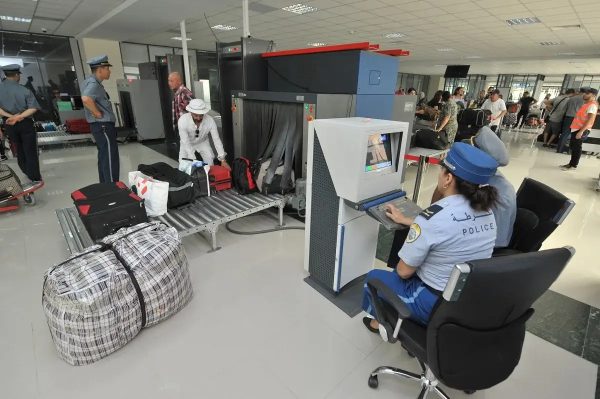
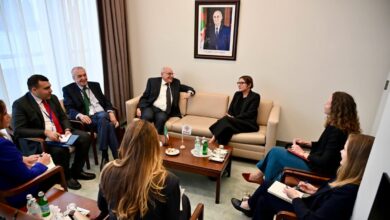
The National Institute of Public Health (INSP) has launched a national training session in Algiers to reinforce the capacities of teams responsible for health control at border points. This initiative addresses risks from emerging diseases and epidemic threats, gathering health executives and representatives from various sectors involved at the nation's entry points. The INSP Director General emphasized the critical and strategic nature of this session, highlighting the role of airports and border crossings as the primary defense against potential cross-border health threats. He commended the vigilance, competence, and readiness of the teams on the ground, underscoring their importance in early detection and prevention of health risks.
The training program, which runs until September 22, aims to standardize concepts and practices, foster the exchange of experiences, and strengthen the capabilities of border health control units. These efforts are in full compliance with the standards and provisions outlined in the International Health Regulations. The INSP considers the development of human competencies a central pillar of its activities, ensuring participants can consolidate their knowledge and operational skills to enhance field performance and inter-service coordination for border health security.
The comprehensive program includes several key components. One segment focuses on the regulatory framework and health surveillance, covering the International Health Regulations, national and international border control requirements, and epidemiological studies and risk mapping to identify infectious disease vectors at entry points. Another segment addresses intervention and inspection protocols, detailing rapid response plans and emergency management for highly contagious epidemics. It also covers sanitary inspection procedures for goods and various modes of transport, including aircraft, ships, buses, and trucks, as well as foodstuffs and luggage. The training incorporates practical workshops and simulation exercises to develop operational tools for inspection and test alert and intervention mechanisms for health threats detected on international transport.