Non-Alignment Guides Algiers’ Regional Peace Role
Algeria maintains a consistent, non-aligned foreign policy, characterized by strategic autonomy. This long-standing principle, upheld since its independence in 1962, positions the nation consciously between various geopolitical blocs, avoiding military alliances and preserving diverse diplomatic options. This approach has led to Algeria being perceived as strong and self-confident, and it actively presents itself as an important actor for peace and security within the region.
The nation's foreign policy is not merely a historical conviction but a pragmatic strategy aimed at securing its best interests. This is evident in its multilateral engagements, including its role as a non-permanent member of the UN Security Council for 2024-2025 and its active participation in the African Union, where it serves as a diplomatic mediator. Algeria's strategic approach extends to its defense policy, where it diversifies military suppliers, acquiring equipment from nations such as Italy, France, the USA, China, and Germany, alongside traditional partners, to avoid dependencies and ensure operational flexibility. These efforts also include collaborations to develop domestic manufacturing capabilities, such as the production line for Fuchs armored personnel carriers established with a German defense company.
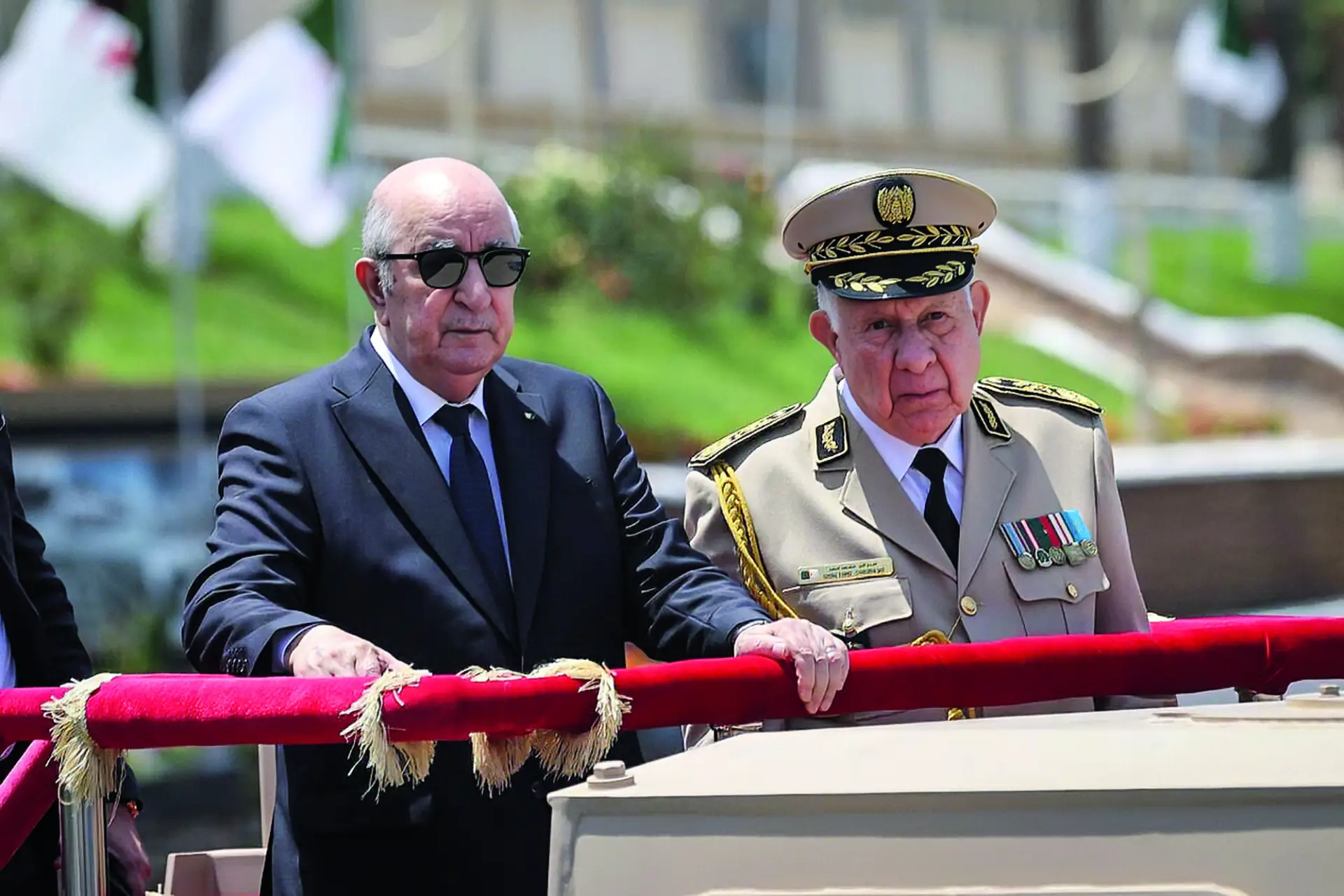
Algeria has consistently increased its defense expenditures over recent years, establishing itself as one of Africa's leading military powers. This commitment to strengthening its capabilities is partly driven by the perceived threat of instability in fragile regions bordering the country, such as Libya, Mali, and Niger, which are viewed as risks to national security and territorial integrity. A notable shift in its security self-perception occurred in 2020, when the deployment of the army outside national borders was permitted for the first time. Furthermore, Algeria maintains its support for the self-determination of the Sahrawi people in Western Sahara, framing the issue as a matter of decolonization. The military, seen as a well-organized institution, plays a central role as a guarantor of security and stability.