Economic Experts Affirm Algeria’s Sustained Dynamism
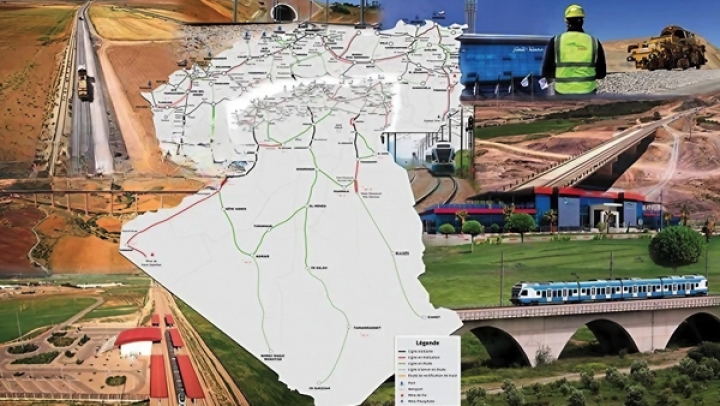
Economic experts have underscored Algeria's continuous economic dynamism in recent years, attributing it to a comprehensive suite of programs, projects, and initiatives spanning all sectors. These efforts prioritize investment in infrastructure, expansion of production capacities, and human resource development, ultimately fostering sustained growth and solidifying the foundations for long-term economic development. The current trajectory aims to establish an integrated national economy through strategic, large-scale projects.
Abdelrahman Hadef, an international economic development advisor, noted the increasing economic dynamism fueled by major structural projects, both ongoing and planned. These initiatives serve as fundamental drivers of growth, contributing significantly to sectors such as transport, energy, and industry. By enhancing connectivity between production zones and markets, these projects reduce operational costs and bolster the national economy's competitiveness. Furthermore, they cultivate an environment conducive to the creation of integrated economic systems, promoting development in areas like subcontracting, maintenance, logistics, processing industries, engineering, technological services, and digitalization, thereby expanding local value chains and generating new investment opportunities.
The improved investment climate also received recognition, with experts highlighting the authorities' new approach that supports investors, simplifies administrative processes, and enhances economic attractiveness to draw foreign investment into productive, high-value-added sectors. Economist Ishaq Khorshi emphasized the pivotal role of these major structural projects in accelerating growth, with public investments activating multiple sectors including construction, transport, services, and industry during their implementation phase. Upon operation, their economic benefits are further realized through increased productivity, enhanced transport and logistics, and reduced operational costs. Khorshi also commended efforts to support and modernize educational and university institutions, improve training, and cultivate expertise in advanced fields like artificial intelligence, internet technologies, and cloud computing. These investments in knowledge strengthen the link between academia and the national economy, building competencies vital for economic and technological transformation. Similar advancements in healthcare, through expanded and modernized facilities, improved services, and specialized institutions, are contributing to human development and boosting individuals' capacity for learning, work, and productivity.