Key Projects to Save Algeria Over $100 Million in Imports
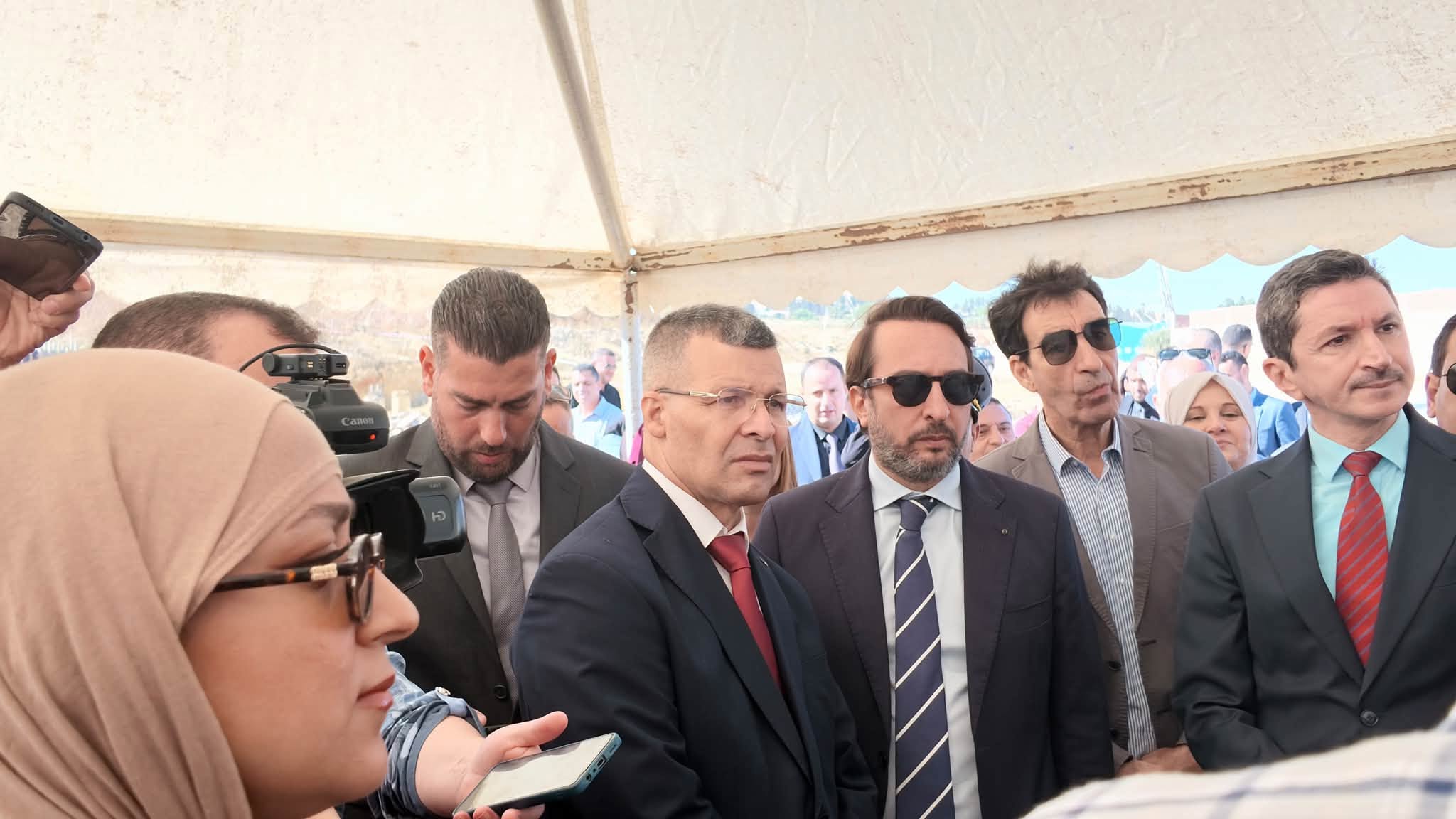
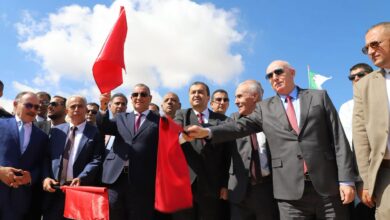
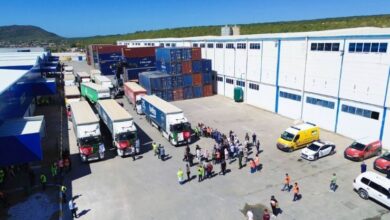
Algeria is actively pursuing a strategy to diminish its reliance on imports by channeling investments into local production of goods and activities currently heavily dependent on foreign markets. This strategic shift was underscored during a recent visit by Omar Rekkache, Director General of the Algerian Agency for Investment Promotion (AAPI), and Kamel Moula, President of the Algerian Economic Renewal Council (CREA), to the El-Arbatache industrial zone in Boumerdès. The visit aimed to support and accelerate investment projects designed to reinforce national production, generate value, and progressively substitute imported products, with a projected saving to the public treasury of over 100 million dollars. Rekkache emphasized that the focus has evolved from merely attracting capital to ensuring projects result in tangible productive activity.
A significant example of this strategy is the BBGCA company's aluminium can manufacturing project, a 6 billion dinar investment spanning six hectares. This facility, approximately 70% complete, is slated to commence production by the end of 2027, with an initial capacity of 800 million cans annually, planned to double to 1.6 billion units in a second phase. Algeria currently consumes about 1.8 billion aluminium cans per year, with imports valued at nearly $120 million annually. The first phase of this project is expected to meet 40 to 50% of national requirements, effectively halving the import bill for this product. The project also promises over 250 direct jobs and incorporates advanced technology, facilitated by a leading American partner in the aluminium industry.
Another strategic initiative is the Baby Infant Nutrition company's plant for infant and baby milk, set to begin operations in July 2027. Initially targeting an annual capacity of 5,000 tonnes, this has been revised upwards to between 10,000 and 12,000 tonnes per year. This increased production is crucial given Algeria's average national consumption of 20,000 tonnes of infant milk annually from 2023 to 2025, representing a major contribution to the national market supply. Kamel Moula highlighted that these investments collectively aim to replace imported goods with local manufacturing, thereby reducing the import bill and bolstering industrial security.
The strategic approach extends beyond these two core projects, with other significant initiatives like the BMINOX project, an 1.1 billion dinar investment focused on producing 304 units across 14 categories of equipment for industries such as agri-food, leather, and plastics, boasting a 90% local integration rate and creating 130 direct jobs. Further illustrating this diversification, six concession contracts were awarded during the visit for projects in sectors including gas, sensitive vision equipment, pharmaceuticals, cosmetics, law enforcement equipment, and agricultural product packaging. These represent billions of dinars in investment and hundreds of direct jobs, underscoring Algeria's comprehensive strategy to target highly imported products across various sectors to reorient investments towards local production and significantly reduce foreign currency outflow.