Minister Bouzegza Urges Faster Water Project Implementation
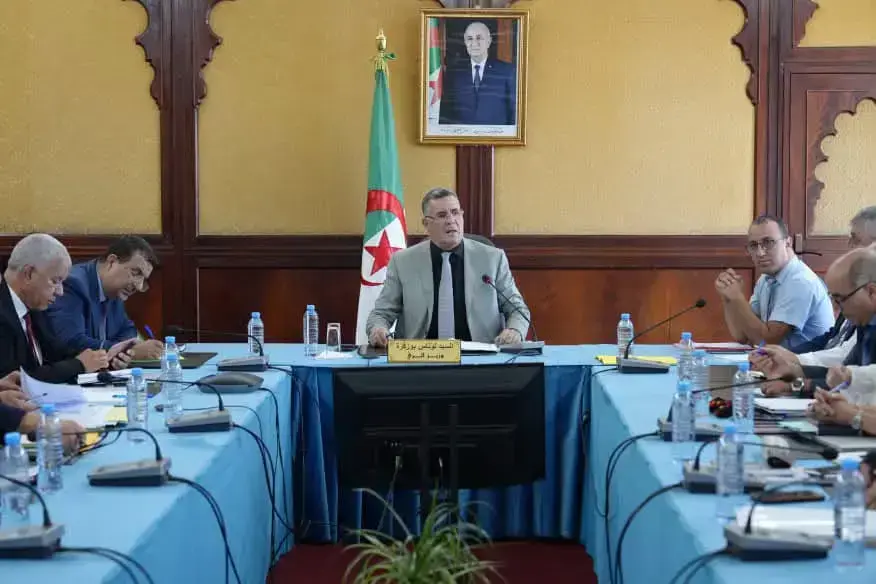
Lounes Bouzegza, Algeria's Minister of Hydraulics, recently presided over an evaluation meeting to assess the sector's status and monitor the execution of various programs and projects. Held at the Ministry's headquarters, the session included central cadres and general managers of supervised institutions, with wilaya water directors participating via teleconference. The primary objective was to review current concerns and deficiencies noted on the ground, aiming to bolster the standard of public services provided to citizens.
During the meeting, Minister Bouzegza received updates on local sector conditions, particularly concerning drinking water supply and sanitation networks. He reviewed the progress of ongoing initiatives, including those part of an urgent program, and discussed strategies for addressing identified shortcomings. The Minister emphasized the critical need to expedite the implementation of the emergency program, for which a substantial 23 billion DZD has been allocated. This initiative is designed to reinforce the provision of drinking water and rectify existing deficiencies across the country.
Further directives from Minister Bouzegza included ensuring meticulous field follow-up of all programs and projects, proactively removing any obstacles, and implementing timely corrective measures. He also underscored the importance of ensuring the maturity of studies and strengthening technical oversight for waterworks in coordination with the relevant technical inspection body. Additionally, instructions were given to rationalize the project registry, prioritize urgent interventions, and resolve stalled projects, while intensifying efforts to enhance public service, improve field readiness, and boost the preventive maintenance of facilities and equipment to ensure rapid and effective interventions.
The Minister also called for continued efforts to address water leaks and irregular connections, combat water wastage, and develop specific action plans to manage supply fluctuations, "black spots," and recorded shortcomings. A significant point of emphasis was the valuation and broader utilization of treated wastewater from purification plants, particularly in the agricultural sector, to support economic development and strengthen national water security. Instructions also covered enhancing preventive and proactive measures against potential risks from weather fluctuations through the cleaning and maintenance of waterways, alongside preventing waterborne diseases in coordination with local authorities and health services, concluding by commending efforts during the summer and actions taken in response to recent fire damages.