
Morocco Accused of Aiding Gaza Offensive: Fueling Arms Shipments
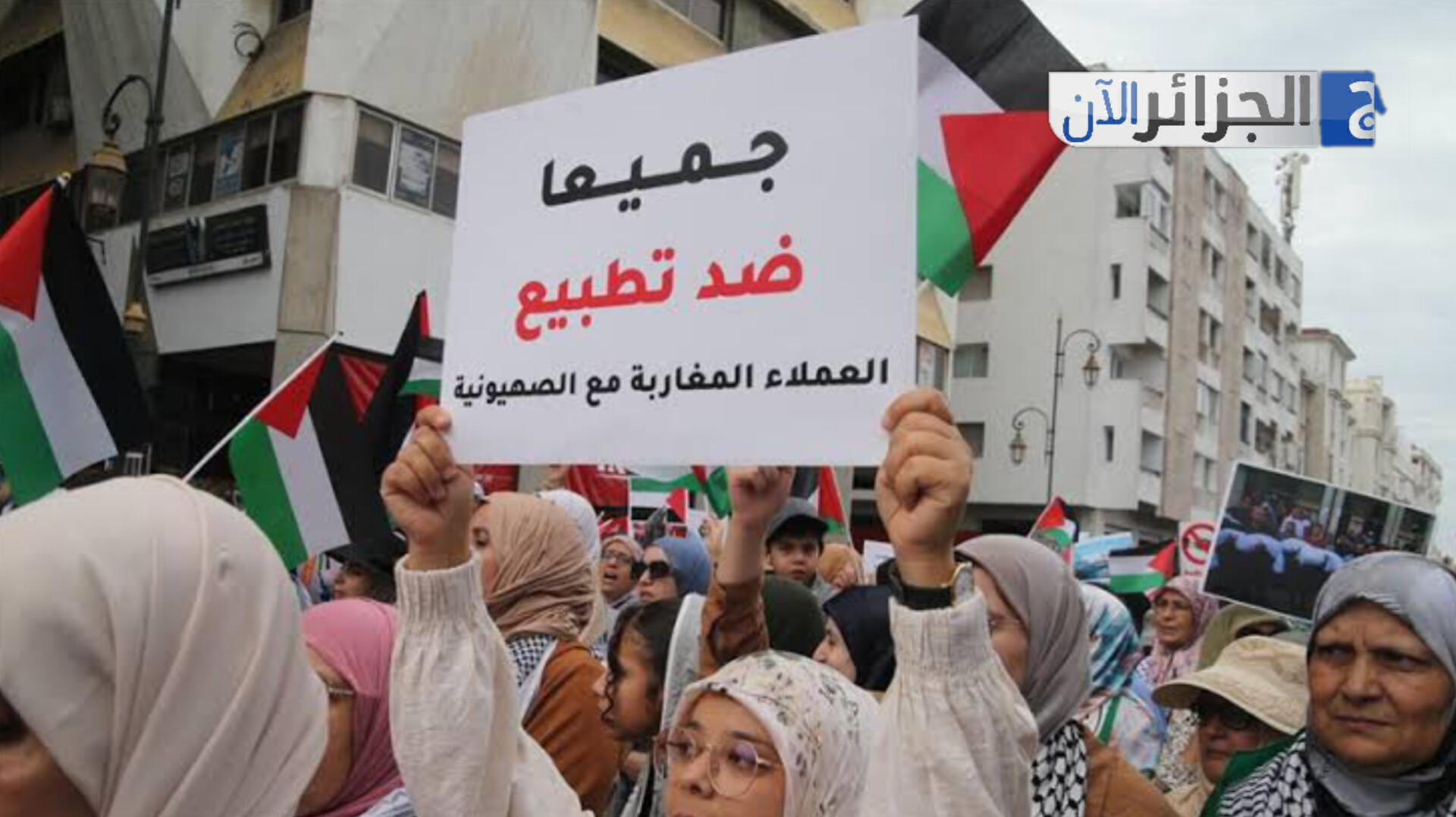
Morocco is facing increasing scrutiny and accusations of complicity in the ongoing conflict in Gaza after allegedly providing support to a ship carrying munitions destined for the region. The controversy stems from reports that a Danish-flagged vessel, the “Marianne Danica,” carrying a significant cargo of explosives, was refueled in Casablanca after being denied entry by Cape Verde. This incident has sparked outrage, particularly given Morocco’s King Mohammed VI’s position as the chairman of the Al-Quds Committee, an organization dedicated to protecting Jerusalem and Palestinian rights.
Critics argue that by facilitating the transport of potential instruments of violence, Morocco is directly undermining the committee’s mission and betraying the Palestinian cause. The Boycott, Divestment, and Sanctions (BDS) movement has been vocal in condemning the action, highlighting the hypocrisy of a nation ostensibly committed to Palestinian welfare seemingly enabling actions that contribute to their suffering.
The situation is further complicated by the strong pro-Palestinian sentiment among the Moroccan population. Many Moroccans have expressed anger and disappointment at what they perceive as a betrayal of their solidarity with Palestinians. This incident has amplified existing tensions surrounding Morocco’s normalization of relations with Israel, a move that has been met with considerable domestic opposition.
This is not an isolated event, critics say, but rather part of a pattern of actions that undermine the Palestinian cause. Accusations include allowing Israeli aircraft to use Moroccan airspace, engaging in military and security cooperation with Israel, and increasing trade relations that bolster the Israeli economy. These actions, combined with the recent refueling incident, paint a picture of a nation prioritizing economic and political interests over its stated commitment to Palestinian rights.
The controversy also raises serious questions about Morocco’s adherence to international law and ethical obligations. Critics argue that by facilitating the transport of weapons that could potentially be used in war crimes, Morocco is violating international norms and disregarding the calls from international bodies to prevent the supply of arms to parties involved in the conflict. The incident has triggered calls for greater transparency and accountability from the Moroccan government, as well as demands for a reassessment of its relationship with Israel. As the situation unfolds, the incident is likely to continue to fuel debate and further polarize opinions within Morocco and the broader Arab world, placing the Moroccan government under considerable pressure to address the concerns raised by its actions.
Related: More algeria articles on DZWatch
Source: External reference