Trump Declares “Existential Threat” to Nigerian Christians, Considers Adding Nation to Watchlist
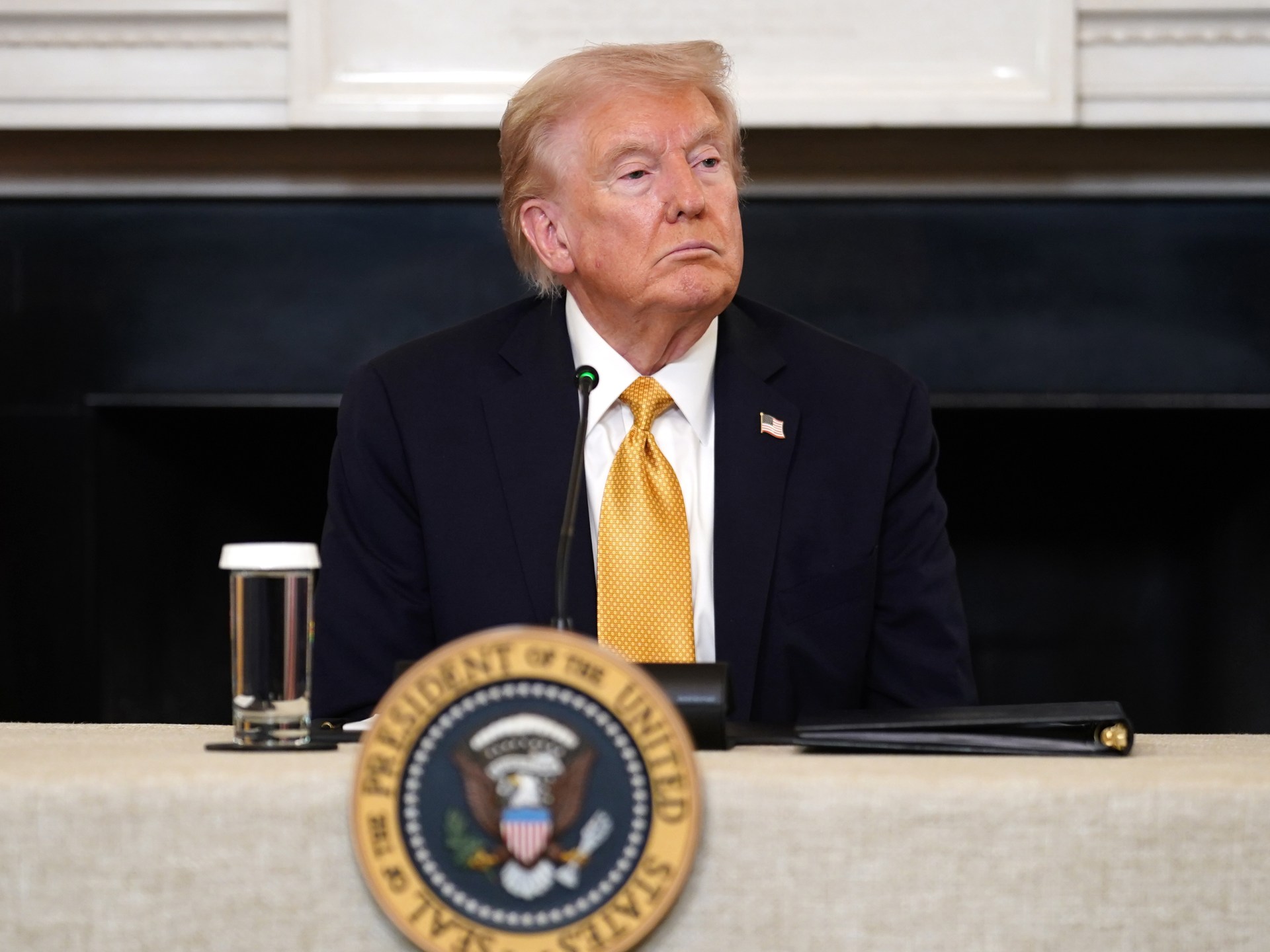
Washington D.C. – Former U.S. President Donald Trump has asserted that Christians in Nigeria face an “existential threat,” signaling a potential move to designate the West African nation as a country of “particular concern” regarding religious freedom. In a post on his Truth Social platform Friday, Trump claimed that “thousands of Christians are being slaughtered in Nigeria,” attributing the violence to what he termed “radical Islamists.”
“The United States cannot stand idly by while such atrocities are committed,” Trump stated, pledging to “protect Christians around the world.” His remarks, amplified across various news outlets, have reignited a long-standing debate about religious persecution in Nigeria and the appropriate U.S. response.
Nigeria, the most populous country in Africa and a major oil producer, could be added to the State Department’s list of countries considered to be violating religious freedoms, alongside nations like China, Russia, North Korea, Pakistan, and Myanmar, according to Trump’s statement and a review of the State Department’s website. Such a designation could trigger sanctions and other punitive measures from the United States.
Trump further indicated that he has requested two members of Congress, along with the House Appropriations Committee, to examine the situation and provide him with a detailed report. The specifics of this report and the timeframe for its completion remain unclear.
The former president’s comments come amidst a complex and volatile security situation in Nigeria, where various factors contribute to violence and instability. While Trump explicitly blamed “radical Islamists” for the alleged targeting of Christians, analysts point to a more nuanced reality. Clashes between predominantly Muslim herders and Christian farmers over land and resources have become increasingly frequent and deadly, exacerbated by climate change, economic hardship, and weak governance.
Furthermore, the activities of Boko Haram and other extremist groups in the northeast of Nigeria have claimed the lives of thousands of people, both Christian and Muslim. These groups seek to establish a strict Islamic state and have been responsible for numerous attacks on churches, mosques, schools, and other civilian targets.
Critics of Trump’s approach argue that his focus solely on the persecution of Christians risks oversimplifying the conflict and exacerbating existing tensions. They contend that a more comprehensive strategy is needed to address the root causes of violence, promote interfaith dialogue, and strengthen Nigeria’s capacity to protect all of its citizens, regardless of their religious affiliation.
“While it is true that Christians are victims of violence in Nigeria, framing the issue as solely a religious conflict ignores the complexities of the situation,” said Dr. Fatima Hassan, a Nigerian scholar specializing in conflict resolution. “Economic factors, ethnic grievances, and political manipulation all play a significant role.”
For more information about Palestine, check our dedicated section.
The potential designation of Nigeria as a country of particular concern has also drawn mixed reactions from within Nigeria. Some Christian leaders have welcomed the move, arguing that it will bring much-needed attention to the plight of their communities. Others have expressed concerns that it could further polarize the country and undermine efforts to promote national unity.
“We appreciate the concern shown by the international community, but we also need to be careful not to allow external actors to interfere in our internal affairs,” said Reverend John Adebayo, a prominent Nigerian pastor. “We must find our own solutions to our problems through dialogue and reconciliation.”
Adding another layer of complexity to the situation is the recent controversy surrounding Nigerian Nobel laureate Wole Soyinka. Soyinka announced last Wednesday that the U.S. Consulate in Lagos had revoked his visa to the United States. While Soyinka himself suggested a possible link to his past criticisms of Trump, the U.S. State Department has not commented on the specific reason for the visa revocation.
Soyinka, a renowned playwright and activist, has been a vocal critic of various political leaders throughout his career. He stated at a press conference that he was “perfectly content” with the cancellation of his visa and that he had been summoned earlier this year for an interview as part of the visa renewal process. The timing of the revocation, however, has fueled speculation that it was politically motivated.
This incident occurs against the backdrop of the Trump administration’s strict immigration policies, which have included the revocation of visas, particularly for students who have expressed support for the Palestinian cause. It also follows a report by Foreign Policy magazine in August, which revealed that Nigeria had rejected a U.S. policy aimed at deporting migrants from third countries to its territory.
According to Foreign Policy, the Nigerian Ministry of Foreign Affairs stated that Nigeria “will not be a repository for refugees who have no connection to it,” emphasizing that Nigeria already faces significant internal challenges. The Nigerian government has long maintained that it lacks the resources and infrastructure to accommodate large numbers of refugees and asylum seekers.
The potential ramifications of designating Nigeria as a country of particular concern are far-reaching. It could strain relations between the two countries, impact trade and investment, and complicate efforts to combat terrorism in the region. However, proponents argue that it is a necessary step to hold the Nigerian government accountable for protecting religious freedom and ensuring the safety of all its citizens. The decision ultimately rests with the U.S. State Department, which will weigh the potential benefits and risks before making a final determination. The situation in Nigeria remains fluid, and the international community will be closely monitoring developments in the coming months.