Three Bodies Transferred to Israel for Forensic Examination Amidst Ongoing Tensions in Gaza
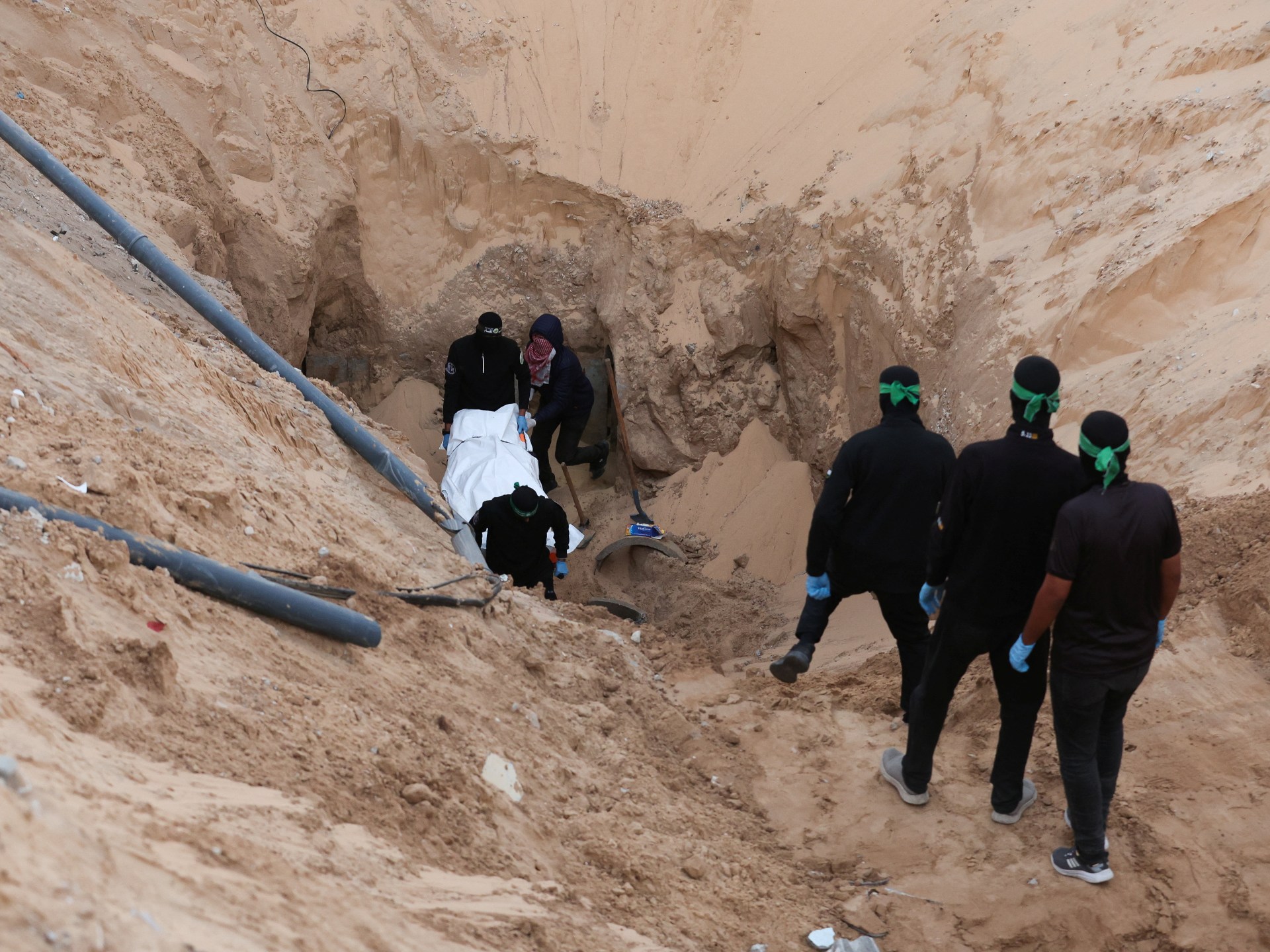
Tel Aviv – Three bodies have been transferred to Israeli authorities via the International Committee of the Red Cross (ICRC) for forensic examination, according to reports in Israeli media. The reports, initially surfacing in *Yedioth Ahronoth* and later amplified by Channel 12, indicate that the remains are undergoing analysis at a forensic institute. The transfer comes amidst a fragile ceasefire agreement brokered in Sharm el-Sheikh, Egypt, on October 9th, aimed at halting the intense hostilities that have plagued the Gaza Strip.
Israeli authorities maintain that the bodies may belong to some of the eleven individuals still classified as missing or held captive in Gaza. This claim follows the handover of two bodies on Thursday, reportedly by the Al-Qassam Brigades, the military wing of Hamas. The identity of the newly transferred bodies remains unconfirmed, pending the results of the forensic examination.
The Al-Qassam Brigades have previously stated that any escalation of military activity by Israel would impede search and recovery operations, potentially delaying the repatriation of the remains of deceased Israelis. This statement underscores the precarious nature of the ceasefire and the sensitivity surrounding the issue of missing persons and the recovery of bodies.
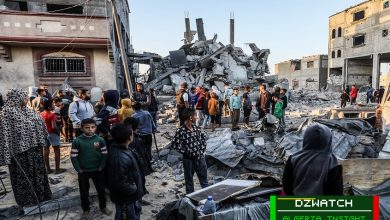
The ceasefire agreement, brokered through the mediation of Qatar, Egypt, Turkey, and with the participation of the United States, was intended to bring an end to two years of intense conflict that Palestinian officials describe as an “Israeli genocide.” Despite the agreement, reports indicate that Israel continues to conduct near-daily airstrikes and artillery shelling within the Gaza Strip. Furthermore, restrictions on the entry of humanitarian aid and the continued closure of the Rafah crossing between Gaza and Egypt are fueling concerns about the long-term sustainability of the ceasefire.
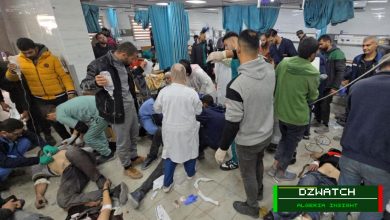
The ongoing tensions and violations of the ceasefire underscore the deep-seated challenges in achieving a lasting peace in the region. The transfer of the bodies, while a potentially positive development for the families of the missing, is overshadowed by the continued violence and humanitarian crisis in Gaza.
Sources within the Palestinian resistance have repeatedly warned that Israeli military actions are actively hindering efforts to locate and recover the remains of deceased individuals. These statements highlight the complex and often fraught nature of communication and cooperation between the two sides, even in matters of humanitarian concern.
The situation is further complicated by the differing narratives surrounding the conflict. Israel maintains that its military actions are aimed at defending its citizens from attacks originating from Gaza, while Palestinians argue that they are resisting an illegal occupation and defending themselves against disproportionate force.
For more information about Palestine, check our dedicated section.
The transfer of the three bodies has been met with mixed reactions in Israel. While some families of missing persons are hopeful that the remains may belong to their loved ones, others remain skeptical, citing previous instances of misidentification and the trauma of repeated false hope. The Israeli government has pledged to provide families with regular updates on the progress of the forensic examination and to offer support and counseling during this difficult time.
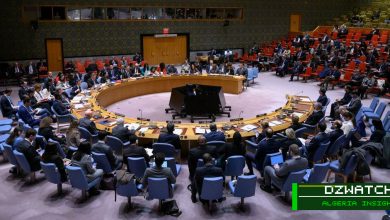
The international community is closely monitoring the situation in Gaza, with many countries calling for a full and lasting ceasefire, the unrestricted flow of humanitarian aid, and the resumption of peace negotiations. The United Nations has repeatedly condemned the violence and called on both sides to uphold their obligations under international law.
However, the prospects for a lasting peace remain uncertain. The deep-seated distrust and animosity between the two sides, coupled with the ongoing political instability in the region, make it difficult to envision a scenario in which a comprehensive peace agreement can be reached in the near future. The current situation highlights the urgent need for renewed diplomatic efforts to address the root causes of the conflict and to create a framework for a more sustainable and just peace.
DZWatch will continue to provide comprehensive coverage of this developing story, offering in-depth analysis and perspectives from across the region. We remain committed to providing our readers with accurate and unbiased information, empowering them to make informed decisions about the complex issues facing Algeria and the wider world. The situation is particularly relevant to Algeria, given its historical support for the Palestinian cause and its commitment to promoting peace and stability in the Middle East. The Algerian government has consistently called for a two-state solution to the Israeli-Palestinian conflict, based on the pre-1967 borders, with East Jerusalem as the capital of a Palestinian state. This position reflects Algeria’s long-standing solidarity with the Palestinian people and its belief that a just and lasting peace can only be achieved through negotiations and mutual respect.
Furthermore, the ongoing humanitarian crisis in Gaza raises concerns about the potential for regional instability, which could have implications for Algeria’s own security and development. The Algerian government is actively engaged in diplomatic efforts to address the crisis, working with other regional and international actors to promote a ceasefire, deliver humanitarian aid, and facilitate a return to peace negotiations. The situation serves as a reminder of the interconnectedness of the region and the importance of addressing the root causes of conflict in order to achieve lasting stability. The forensic examination of the three bodies is expected to take several days, and the results will be closely scrutinized by both Israeli and Palestinian authorities. The outcome could have significant implications for the future of the ceasefire and the prospects for a more lasting peace.