Israeli Defense Minister Accuses Hezbollah of Playing with Fire, Demands Disarmament in Southern Lebanon
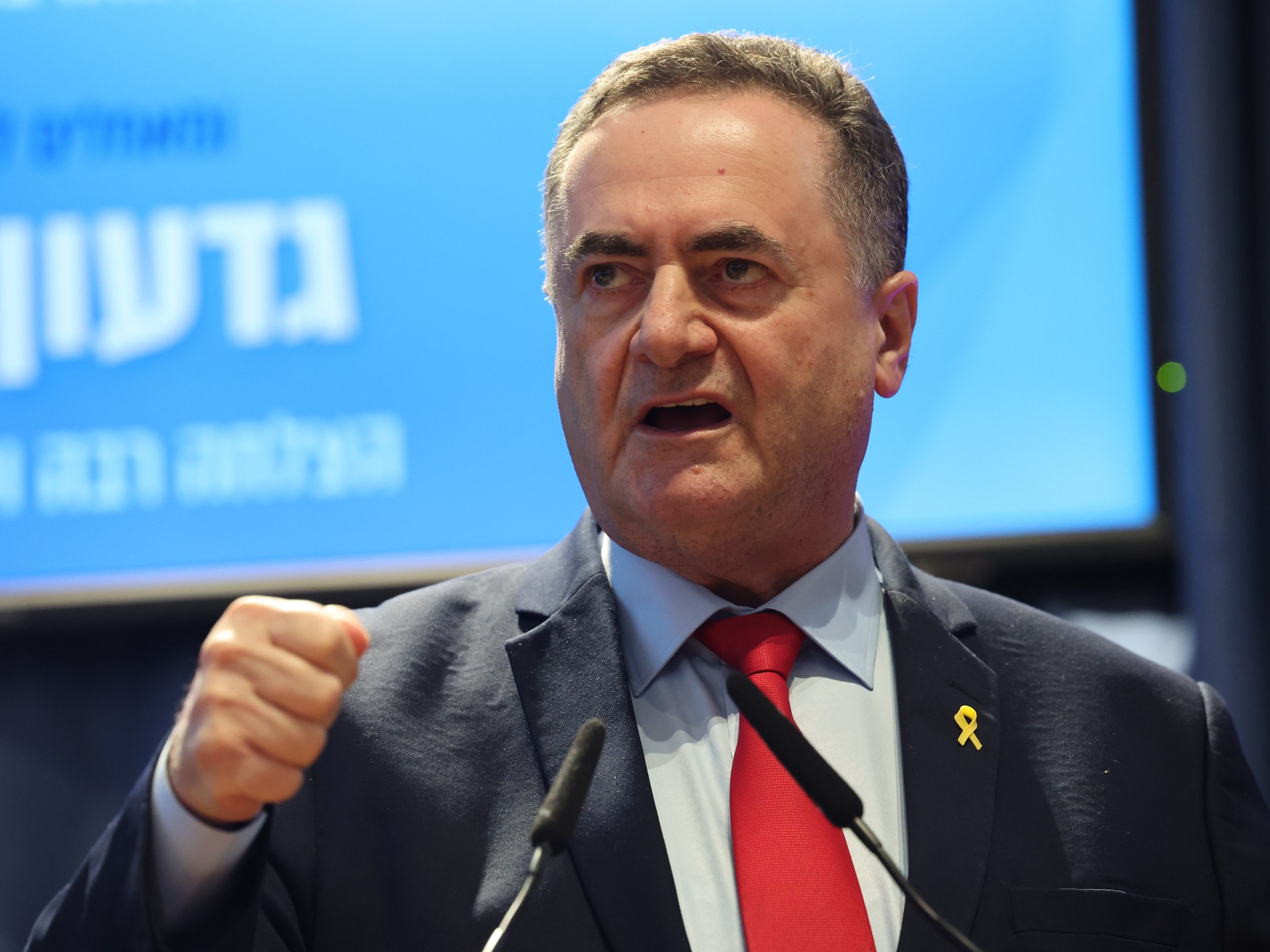
Tensions between Israel and Lebanon continue to escalate as Israeli Defense Minister Israel Katz issued a stark warning to Lebanon on Sunday, accusing Hezbollah of “playing with fire” and demanding the immediate disarmament and removal of the group from southern Lebanon. Katz also criticized Lebanese President Joseph Aoun, alleging that he is deliberately stalling efforts to disarm Hezbollah. His comments come amid heightened Israeli military activity in the region and stalled attempts at direct negotiations between the two countries.
“Hezbollah is playing with fire,” Katz stated, emphasizing the Israeli government’s unwavering stance on the matter. He called upon the Lebanese government to fulfill its “obligations” to disarm the militant group and ensure its complete withdrawal from southern Lebanon. Katz further asserted that the Israeli military would continue to implement what he termed a “policy of maximum deterrence,” vowing that Israel would not tolerate any threats to its northern population. The Israeli government views Hezbollah’s presence near its northern border as a major security threat.
The renewed pressure from Israel follows recent attempts by the United States to mediate a solution to the ongoing conflict. Just yesterday, U.S. Envoy Tom Barrack urged Lebanon to engage in direct negotiations with Israel as a means of de-escalating tensions. Barrack, speaking on the sidelines of the Manama Dialogue in Bahrain, organized by the International Institute for Strategic Studies, emphasized that “dialogue must be with Israel. It must be only with Israel, and Israel is ready.” His statement came after he characterized Lebanon as a “failed state,” a remark that has drawn criticism from some Lebanese officials.
However, Lebanese President Aoun countered these calls for negotiation, accusing Israel on Friday of responding to Lebanon’s overtures for dialogue with intensified airstrikes. Aoun maintains that Israel’s actions undermine any potential for peaceful resolution. The Lebanese government, under considerable pressure from the United States, had previously resolved in August to confine the possession of weapons to the state. The Lebanese army subsequently developed a five-stage plan for disarming non-state actors, a move vehemently opposed by Hezbollah. The plan aimed to gradually integrate Hezbollah’s weapons into the national defense structure under the control of the Lebanese Armed Forces.
Israel has significantly escalated its military operations in Lebanon in recent weeks, claiming to be targeting Hezbollah operatives and infrastructure. The Israeli military has conducted numerous airstrikes in the eastern and southern regions of the country, resulting in casualties and damage. According to data from the Lebanese Ministry of Health, these strikes resulted in the deaths of 26 individuals during the month of October alone. Israel claims these strikes are necessary to prevent Hezbollah from launching attacks against Israeli targets.
For more information about News, check our dedicated section.
These actions have raised concerns about Israel’s adherence to the cessation of hostilities agreement reached between the two countries on November 27, 2024. Despite the agreement, Israeli forces continue to carry out land clearing operations and conduct near-daily airstrikes in southern Lebanon. Furthermore, Israeli troops maintain a presence in five disputed points within southern Lebanese territory, further fueling tensions. The Lebanese government and Hezbollah view these incursions as violations of Lebanese sovereignty.
The ongoing conflict is deeply rooted in historical grievances and political complexities. Hezbollah, a powerful political and military organization in Lebanon, maintains significant influence within the country and is backed by Iran. Israel views Hezbollah as a terrorist organization and a major threat to its security, citing its arsenal of rockets and its history of attacks against Israeli targets. The situation is further complicated by the involvement of regional powers, with Iran supporting Hezbollah and the United States backing Israel.
Analysts warn that the current escalation could spiral into a larger conflict if a diplomatic solution is not reached soon. The rhetoric from both sides has become increasingly bellicose, raising the risk of miscalculation and unintended consequences. The international community is urging both Israel and Lebanon to exercise restraint and return to the negotiating table. However, the prospects for a breakthrough remain uncertain given the deep divisions and mistrust between the two sides. The ongoing power vacuum in Lebanon, with a caretaker government struggling to address the country’s economic and political crises, further complicates the situation.
The situation in southern Lebanon remains volatile and unpredictable. The combination of Israeli military pressure, Hezbollah’s continued presence, and the lack of progress in negotiations creates a dangerous environment with the potential for further escalation. The international community, including Algeria, continues to call for a peaceful resolution to the conflict, emphasizing the need for both sides to prioritize de-escalation and dialogue. DZWatch will continue to monitor the situation closely and provide updates as they become available.