Algeria’s Election Authority Champions Media Partnership for Democratic Progress and Public Trust
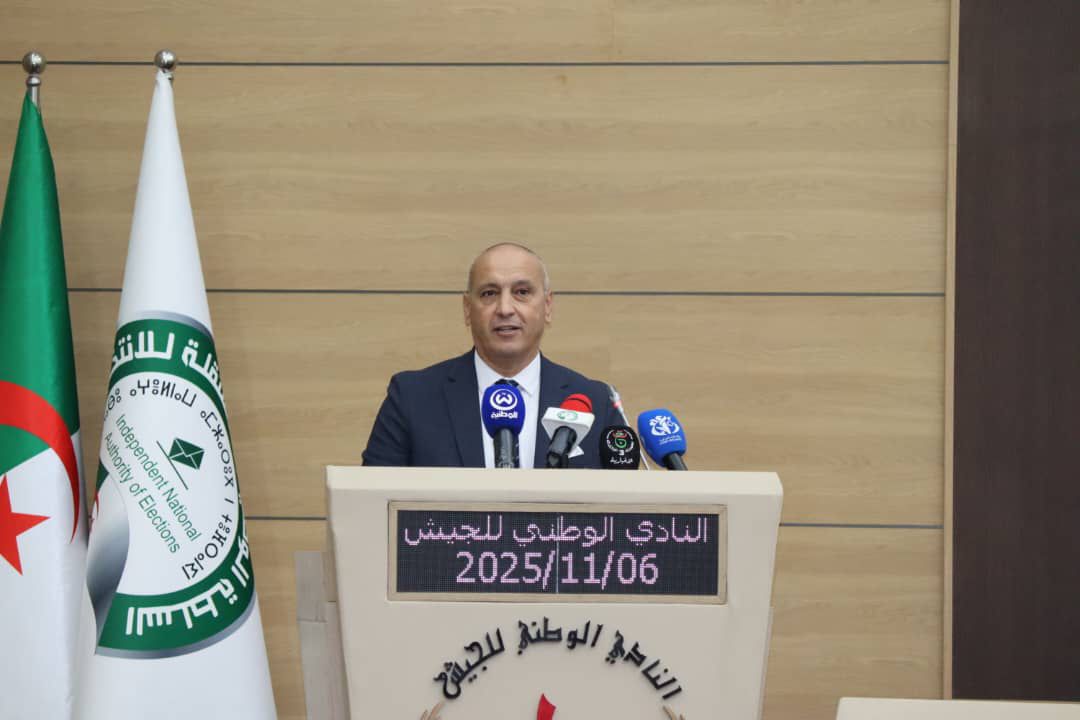
Algiers – The National Independent Authority for Elections (ANIE) is actively fostering a strategic partnership with the Algerian press, recognizing its pivotal role in solidifying the nation’s democratic trajectory and bolstering public confidence in state institutions. This initiative underscores a commitment to transparency and informed civic engagement ahead of upcoming elections.
Professor Karim Khelfan, President of ANIE, emphasized that the Algerian media has evolved beyond merely reporting political and electoral events. He stated, “The national press has become an active partner in shaping democratic awareness and elevating electoral participation.” This shift, according to Professor Khelfan, reflects a growing maturity in journalistic practices and a heightened awareness of the media’s national responsibility in building a modern, democratic state.
Professor Khelfan made these remarks during the opening of a training session for national journalists, held at the National Army Club in Beni Messous. The session, themed “The Press in Service of Electoral Action,” focused on refining media concepts and terminology as a cornerstone of objective and responsible reporting, aligning with Algeria‘s ongoing political reforms. The event was attended by prominent media figures, experts including Dr. Ismail Khelfallah, a strategic analyst, and ANIE officials.
The training program, Professor Khelfan explained, is part of ANIE’s broader strategic objective to enhance the professional competence of journalists. It aims to equip them with the necessary tools to provide responsible coverage throughout all phases of the upcoming electoral process. He highlighted that media, across its various forms – audio-visual, print, and electronic – plays a crucial role in fostering a culture of political participation. This is achieved through professional reporting and objective analysis of electoral events, thereby promoting transparency and reinforcing trust between citizens and state institutions.
Professor Khelfan stressed that organizing such training sessions reflects the comprehensive reform vision of “New Algeria,” which aims to establish a constructive partnership between the national media and the independent electoral authority. He views this collaboration as fundamental to anchoring transparency and credibility in electoral practices. He further added that responsible media serves as a natural extension of ANIE’s work by disseminating awareness and promoting a culture of political participation, ultimately safeguarding the democratic process and ensuring the integrity of elections.
The ANIE president urged journalists to uphold professionalism and adhere to a strict code of ethics in their reporting. He emphasized that accuracy and objectivity are crucial for building trust between citizens and the government. “Professional and sound media is the face that reflects the credibility of the Algerian democratic experience and its gradual reform path,” he stated, calling for a calm and responsible media discourse that contributes to fostering a culture of dialogue and respect for political pluralism.
Professor Khelfan concluded by reaffirming ANIE’s genuine commitment to building a strategic partnership with the national media. This partnership aims to solidify a robust and sustainable democracy based on transparency, trust, and conscious citizenship. He deemed the national press as the closest ally in the political and institutional reform process that Algeria is undergoing.
For more information about Algeria, check our dedicated section.
The organization of this training course for journalists by ANIE comes at a time when the clock is ticking towards the upcoming elections. It aims to translate into reality a constructive media map that enhances democratic values in Algeria and promotes electoral action with complete impartiality and objectivity, without bias towards one party at the expense of another in democratic practice. It is imperative to distinguish between partisan political propaganda and journalistic coverage with complete objectivity, impartiality, and professionalism.
The training program included three insightful presentations by experts and media professionals, discussing the professional, ethical, and legal dimensions of media coverage during upcoming elections.
In the first presentation, entitled “The Press in Service of Electoral Action: The Need to Define Concepts and Terminology for a Purposeful Message,” journalist Abdelhakim Asabea from Al-Nasr newspaper called for raising the level of electoral media discourse and defining terminology in a way that serves objectivity and integrity. He emphasized that the national press is required to play its awareness-raising and oversight role away from bias or propaganda, thereby enhancing public confidence in the electoral process.
Asabea emphasized that the media cannot be separated from electoral action, as it is a key partner in accompanying the democratic process and enlightening public opinion. He affirmed that distinguishing between professional journalistic coverage and electoral propaganda is one of the fundamental pillars of professional ethics. He pointed out that journalists are called upon to convey information with complete objectivity and impartiality, away from directed or guiding discourse.
He also called for adherence to professional standards and the ethics of journalistic work, because accurate information and disciplined terminology are the basis for building trust between citizens and state institutions, and reflect the maturity of the media experience in Algeria. He concluded his lecture by emphasizing that the national media constitutes a pivotal pillar in the process of building trust between citizens and state institutions, through objective coverage that contributes to enlightening public opinion and supporting transparency and credibility.
The ANIE initiative signals a concerted effort to ensure that the Algerian media is well-equipped to navigate the complexities of electoral reporting, promoting informed participation and strengthening the foundations of a transparent and credible democratic process. The focus on ethical conduct, accurate information, and objective analysis underscores the commitment to building a robust and trustworthy media landscape that serves the interests of the Algerian public.