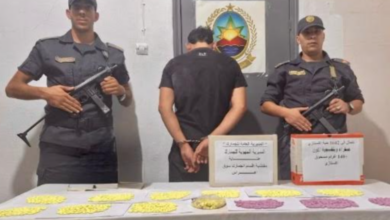
Algeria Vows ‘No Tolerance’ for Drug Lords, Death Penalty on the Table
Algiers – The Algerian government has issued a stern warning to drug traffickers, promising a relentless crackdown on their operations and signaling the potential use of the death penalty for the most egregious offenses. Justice Minister Abderrachid Tabi delivered the uncompromising message on Thursday, November 6, 2025, emphasizing the state’s unwavering commitment to combating the scourge of narcotics and protecting its citizens, particularly its youth, from the devastating effects of drug abuse.
Speaking before Parliament, Minister Tabi affirmed that the Algerian justice system would not show leniency toward those who profit from the illegal drug trade. He stated unequivocally that the full force of the law, including the maximum penalties stipulated in Algeria‘s anti-narcotics legislation, would be applied. This includes, but is not limited to, life imprisonment and, in certain severe cases, capital punishment.
“There will be no tolerance for the barons of poison who threaten our society and its security,” Tabi declared, emphasizing the government’s determination to eradicate drug trafficking networks operating within Algeria and across its borders. He highlighted the coordinated efforts between law enforcement agencies and the judiciary, which have already resulted in the apprehension of numerous criminal organizations involved in drug promotion and smuggling. Penalties for those convicted of such crimes have been significantly increased, with potential prison sentences reaching up to 30 years, depending on the severity of the offense.
Tabi further elaborated that the government places the highest priority on safeguarding the nation’s youth from the dangers of addiction. He outlined a multi-faceted approach that combines robust security measures with stringent judicial action to dismantle the infrastructure that supports the drug trade. This comprehensive strategy aims to cut off the supply of narcotics at its source and prevent the proliferation of drug use within the country.
The Justice Minister also addressed specific concerns regarding the presence of drug-related activities in sensitive areas, such as hospitals and schools. He emphasized that any offenses committed in these locations would be met with the most severe penalties available under the law, including the potential imposition of the death penalty. This firm stance reflects the government’s zero-tolerance policy toward any attempt to endanger vulnerable populations or compromise the integrity of institutions dedicated to healthcare and education.
Minister Tabi reiterated the personal commitment of President Abdelmadjid Tebboune to ensuring the rigorous prosecution of drug-related cases. He underscored the President’s directive that these matters be treated with the utmost seriousness and pursued with unwavering diligence. This high-level attention underscores the government’s recognition of the profound threat that drug trafficking poses to national security, public health, and social stability.
For more information about Algeria, check our dedicated section.
Algeria’s geographic location makes it a transit country for drug trafficking, with narcotics often smuggled across its borders from neighboring countries. The country has been actively working to strengthen its border security and enhance its cooperation with regional and international partners to combat transnational organized crime, including drug trafficking. The government has invested heavily in modernizing its law enforcement capabilities and providing specialized training to its personnel to effectively detect and intercept drug shipments.
The fight against drug trafficking is not solely a matter of law enforcement. The Algerian government also recognizes the importance of addressing the underlying social and economic factors that contribute to drug abuse. Initiatives are being implemented to provide education and awareness programs to vulnerable populations, particularly young people, to inform them about the dangers of drug use and promote healthy lifestyles. Efforts are also underway to provide rehabilitation and treatment services to individuals struggling with addiction, helping them to overcome their dependence and reintegrate into society.
While Algeria has made significant strides in its fight against drug trafficking, the challenge remains complex and multifaceted. The country continues to face a persistent threat from organized criminal groups seeking to exploit its territory for illicit activities. However, the government’s unwavering commitment to combating drug trafficking, coupled with its comprehensive strategy that combines law enforcement, prevention, and treatment, provides a solid foundation for continued progress in protecting its citizens from the harmful effects of narcotics.
Tabi concluded his remarks by reaffirming the Algerian justice system’s unwavering resolve to safeguard the security of society and the health of its citizens. He reiterated the government’s pledge to continue the war on drugs with all available legal means, sending a clear message to drug traffickers that their activities will not be tolerated and that they will be held accountable for their actions to the fullest extent of the law. The escalation of potential penalties, including the potential use of the death penalty under specific circumstances, signals a significant intensification of Algeria’s efforts to combat this pervasive threat.
DZWatch will continue to monitor this developing situation and provide updates as they become available.