Algeria, Tunisia, Egypt Unite to Stabilize Libya
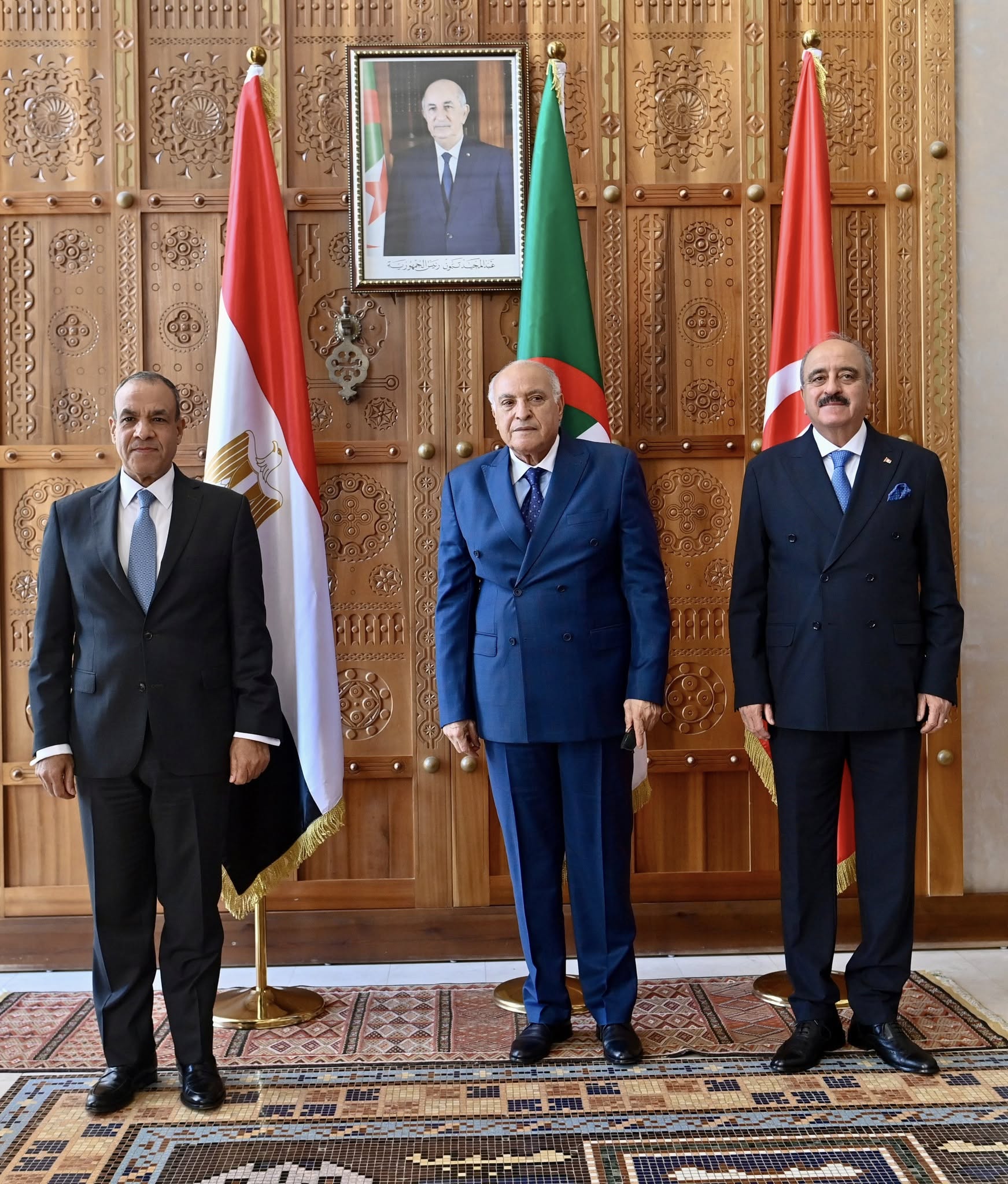
Algeria hosted a meeting of the Foreign Ministers of Algeria, Tunisia, and Egypt on Thursday, underscoring the ongoing commitment to consultation and coordination between the three nations regarding the Libyan crisis. This trilateral meeting, part of a neighborly states initiative, focused on the latest developments in Libya.
The meeting reflects the three countries’ dedication to coordinating efforts and strengthening initiatives aimed at reviving the political process to resolve the Libyan crisis. The goal is to facilitate a peaceful political settlement under the auspices of the United Nations, including the proposed UN roadmap.
The Ministers emphasized the critical importance of Libyan ownership and leadership in the political settlement process, with the support of the United Nations. This approach aims to solidify the political will of the Libyan people to shape their future and preserve the unity and independence of Libya, its land, people, and institutions.
The Ministers urged all Libyan parties to actively engage in the political settlement process, prioritize wisdom and dialogue, and work to uphold the country’s best interests. This is essential to overcome current obstacles preventing simultaneous presidential and parliamentary elections, which would resolve disputes and bring a definitive end to the prolonged crisis.
The importance of achieving comprehensive national reconciliation with the participation of all segments of the Libyan people was also highlighted. The Ministers expressed their conviction that security and development are inseparable pillars of comprehensive stability in resolving the Libyan crisis. They affirmed that the absence of one undermines the effectiveness of the other. Balancing efforts to restore security, build effective institutions, and promote economic and social development is the best way to overcome division and consolidate national unity, paving the way for stability and prosperity in Libya.
The Ministers reiterated their countries’ principled positions against all forms of external interference in Libya’s internal affairs, considering such interference a major cause of prolonging the crisis, deepening political and institutional divisions, undermining the chances of a successful political process, and threatening the security and stability of Libya and neighboring countries alike. They also stressed the need for the withdrawal of mercenaries and foreign fighters from Libya.