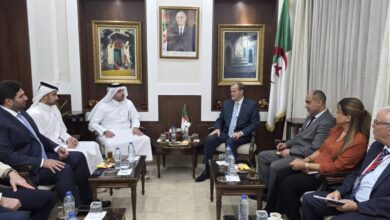
Algeria Secures Diplomatic Win for Sahrawi People at UN
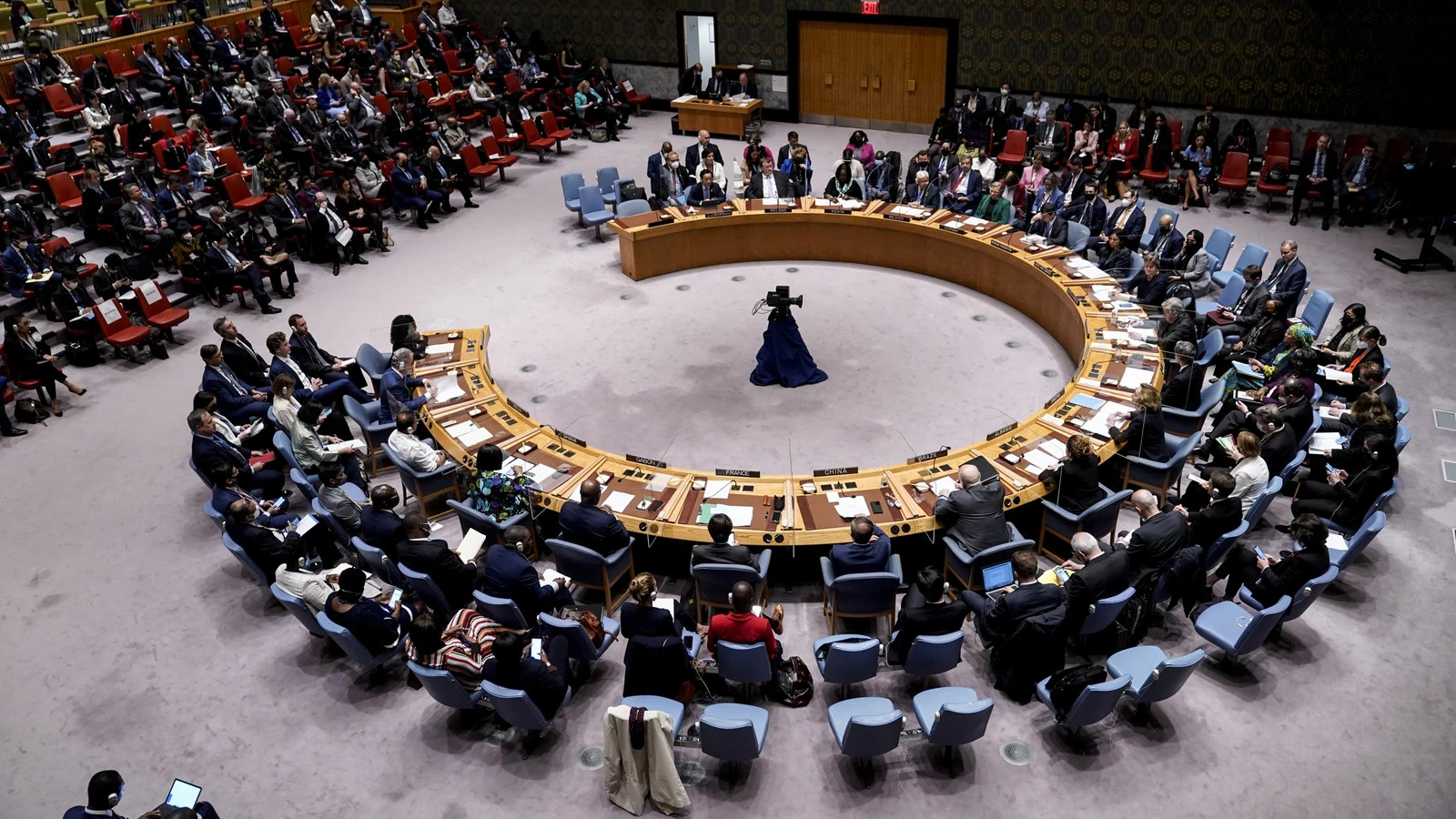
Algeria, in collaboration with its partners at the United Nations Security Council, has achieved a significant diplomatic victory following intense negotiations regarding the Western Sahara conflict. These efforts resulted in substantial revisions to the initial draft resolution presented concerning the disputed territory.
Through persistent diplomatic engagement, Algeria successfully influenced the United States to incorporate key amendments that safeguard the Sahrawi people’s right to self-determination and ensure their meaningful participation in any political process shaping their future. This modification came after the original draft appeared to favor a Moroccan autonomy plan as the sole resolution, potentially excluding the genuine involvement of the Sahrawi population.
Algerian diplomacy played a pivotal role in rebalancing the resolution’s text. The Minister of Foreign Affairs conducted extensive consultations with various Security Council members, including China, leading to a revised version that reflects international legitimacy and grants the Sahrawi people a crucial role in any future settlement.
The revised resolution emphasizes that any resolution to the conflict must be just, mutually agreeable, and guarantee the full and active participation of the Sahrawi people. This achievement underscores Algeria’s unwavering commitment to defending the rights of the Sahrawi people and ensuring their legitimate involvement in formulating any settlement, respecting the principles of international law and the resolutions of the Fourth Committee on Decolonization.
Furthermore, the resolution implicitly acknowledges that a lasting political solution hinges on the consent of the Sahrawi people, reaffirming that the right to self-determination is a fundamental and inalienable right that cannot be bypassed or circumvented in any manner. This diplomatic success strengthens the position of the Sahrawi people on the international stage.
DZWatch will continue to monitor developments and provide in-depth analysis of this crucial issue.