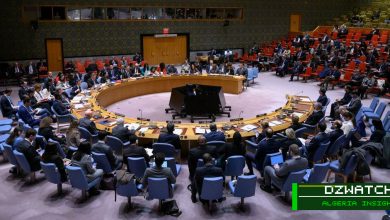
Security Council Resolution on Gaza Sparks Online Debate
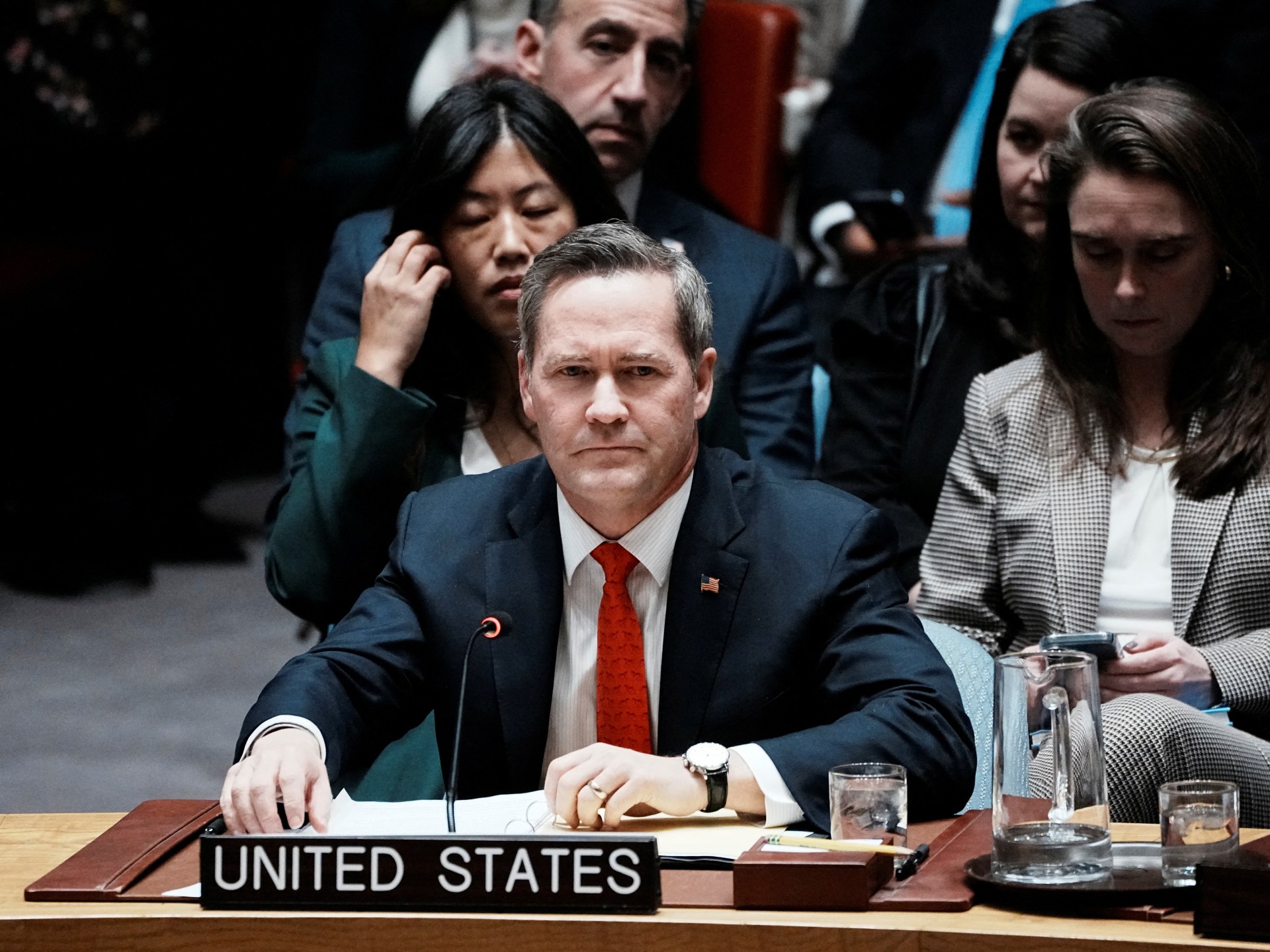
DZWatch Exclusive: The United Nations Security Council’s adoption of a US-backed resolution aimed at ending the conflict in Gaza has ignited a firestorm of debate on social media platforms. The resolution, passed with 13 votes in favor and abstentions from Russia and China, has been met with sharply divided opinions.
While some users hail the resolution as a crucial step towards halting the bloodshed, others view it as a veiled attempt to impose American control over the Gaza Strip. The resolution, identified as Resolution 2803, endorses the 20-point plan put forth by US President Donald Trump on September 29, 2025, calling for its full implementation and the maintenance of a ceasefire.
Online, critics have voiced concerns that the resolution provides political cover for what they describe as a neo-colonial plan designed to further the objectives of the conflict. These users allege that the resolution legitimizes American oversight of Gaza while disregarding the Palestinian right to self-determination and justice.
“The Security Council is legitimizing an American trusteeship in #Gaza that is rejected by Palestinians,” one user posted, adding that the resolution “grants blind cover to a colonial-style plan dedicated to achieving the goals of the war, ignores self-determination, justice, and international law, and uses aid for blackmail.”
Concerns have also been raised that the use of aid as leverage could transform into a tool for political coercion. Furthermore, assigning tasks beyond security maintenance to an external force risks compromising its neutrality and potentially aligning it with the interests of one party, according to some commentators.
Other online voices argue that the plan reflects the current power dynamics and was formulated based on a victor-vanquished mentality, without adequately involving Palestinians in its drafting or considering their perspective. They suggest that Palestinians are left with a choice between accepting what they perceive as long-term control or rejecting the resolution, which could risk a renewed outbreak of conflict, as hinted at by some representatives.