
Supreme Court Halts Ruling on Texas Redistricting Map
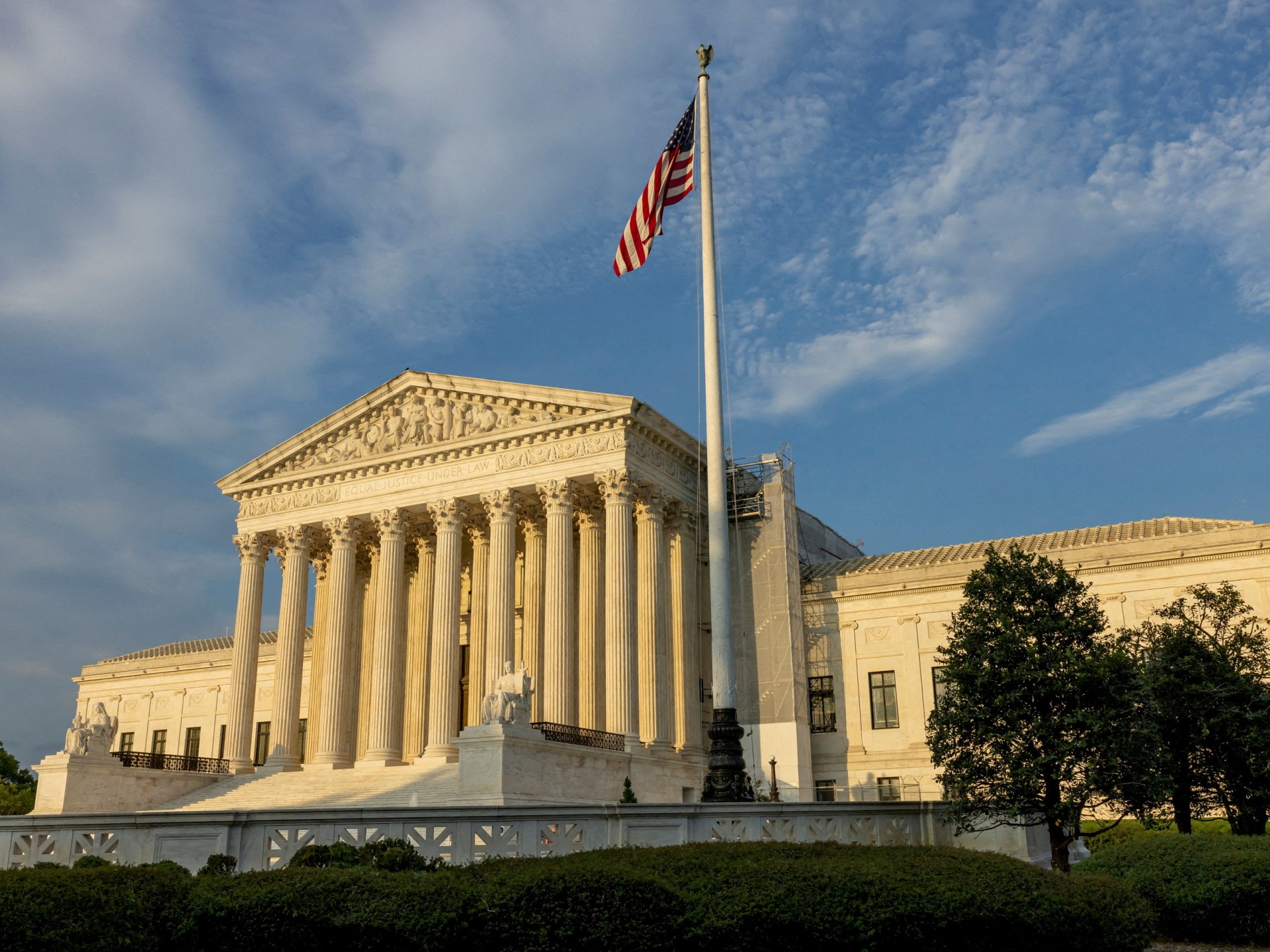
The U.S. Supreme Court has temporarily blocked a lower court ruling that found the 2026 Texas redistricting plan to be racially discriminatory. The decision comes after a federal court rejected the Republican-drawn map on November 18th, deeming it a racial gerrymander designed to benefit the ruling Republican party in the state.
Justice Samuel Alito issued an administrative stay, effectively pausing the lower court’s injunction against the Texas map. He has requested opponents to respond to the state’s application by Monday afternoon. The stay remains in effect while the Supreme Court considers whether to allow the use of the new electoral map, which is seen as giving Republicans an advantage, in the upcoming midterm elections.
Texas swiftly appealed to the Supreme Court to avoid potential confusion ahead of the primary elections scheduled for March 2026. The redistricting process in Texas is part of a broader battle between Republicans and Democrats for control of Congress. Both parties are actively seeking to strengthen their positions through new electoral maps in various states.
Redistricting, the redrawing of electoral districts, takes place in the United States after each national census, conducted every 10 years. However, the practice of partisan gerrymandering, where districts are drawn to favor a particular political party, has become increasingly common. This case highlights the ongoing tensions and legal challenges surrounding the fairness and impartiality of the redistricting process in the U.S.
The legal challenge argues that the Texas map dilutes the voting power of minority communities, a violation of the Voting Rights Act. This case could have significant implications for the balance of power in Texas and potentially influence the outcome of future elections. The Supreme Court’s decision will be closely watched as it navigates the complex legal and political issues surrounding redistricting and voting rights.