Hezbollah Commander’s Death: Security Breach or Open War?
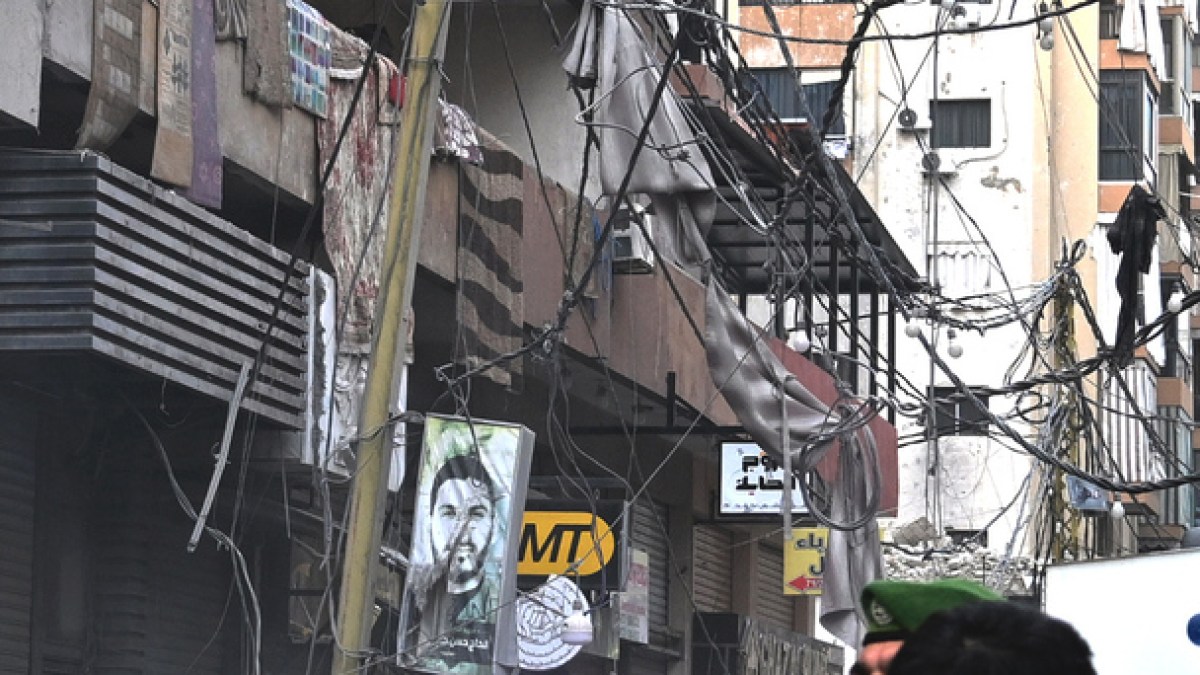
The assassination of Abu Ali Tabatabai, a prominent Hezbollah military commander known within the organization as “the second man,” has sparked widespread debate across social media platforms. Tabatabai was killed in a precision airstrike on Sunday in the southern suburbs of Beirut, a stronghold of the Lebanese political and military group.
The Israeli military has claimed responsibility for the operation, stating that it resulted in the death of Tabatabai, whom they identified as the Hezbollah Chief of Staff. Israeli media outlets have reported prior coordination with the United States in carrying out the operation, though the timing and circumstances of this coordination remain unclear.
Online commentators are divided on the expected response from Hezbollah. Some suggest that the group faces two costly options: retaliate to maintain its prestige and impose new rules of engagement – which could provide Israel with a pretext to devastate the southern suburbs and its support infrastructure – or remain silent and absorb the blow, thereby losing a significant portion of its symbolic capital and military reputation.
“Hezbollah is facing two options: to respond to the Israeli strike and impose rules of engagement that suit it and restore its prestige, but this will give Israel a pretext to destroy the suburbs and the incubator environment, or to swallow the blow and lose prestige, in exchange for saving its strength for the internal conflict,” one user posted.
Other users questioned whether Hezbollah would even respond, referencing the group’s perceived inaction following the death of a previous leader. Some suggest that the decision to retaliate is beyond Hezbollah’s control, and that the group is in a phase of decline that could threaten its very existence. “Hezbollah did not dare to respond when its leader was assassinated, so do we expect a response now? The decision is beyond his control, and therefore it seems that its path is heading towards extinction,” another user commented.
Further reports indicate that Tabatabai was previously a commander of the “Radwan” force, Hezbollah’s elite unit, which has suffered significant losses in recent engagements. The implications of Tabatabai’s death remain to be seen, but the event has undoubtedly heightened tensions in the region and raised questions about the future of the conflict.