
Algeria Calls for Proactive Approach to Colonial Crimes in Africa
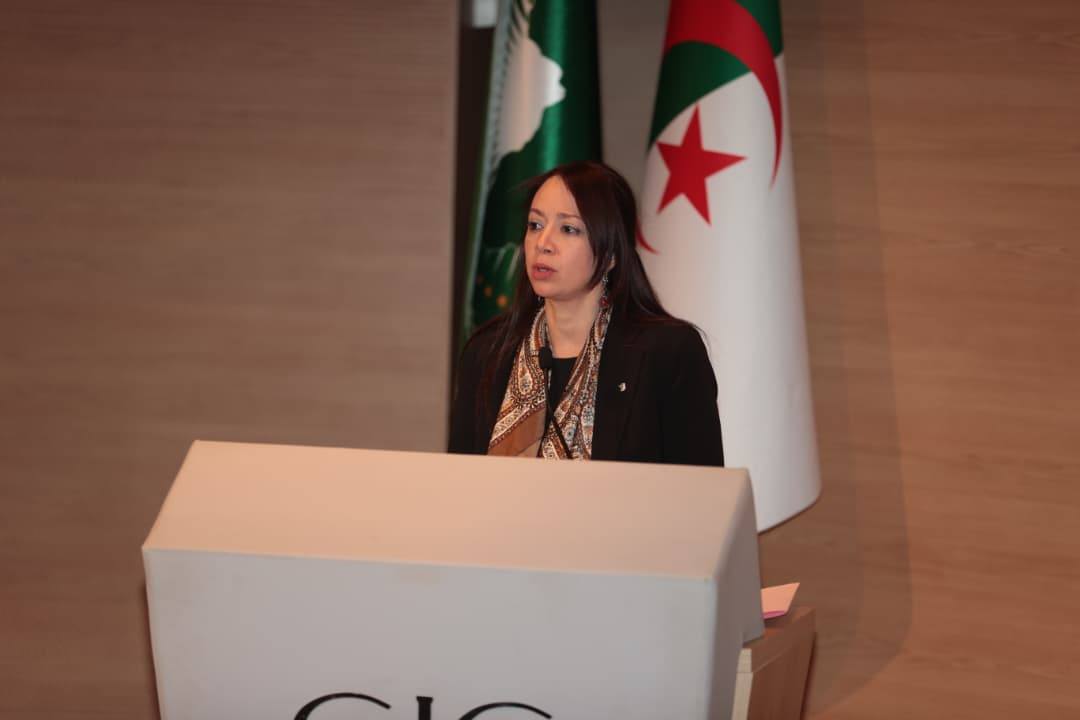
Algeria’s Secretary of State to the Minister of Foreign Affairs, in charge of African Affairs, Salma Bekhta Mansouri, stated on Monday that addressing the crimes of colonialism requires a comprehensive political project that positions Africa as a proactive leader, not merely a reactive entity.
Speaking at the closing of the international conference on colonial crimes in Africa, held at the Abdelatif Rahal International Conference Center in Algiers, Mansouri emphasized that “the crimes of colonialism are not a matter of the past, but a living system of effects that continue to shape growth paths, power structures, and the balance of power on the continent.”
She stressed that “dealing with these crimes cannot remain limited to condemnation alone, but must be transformed into a comprehensive political, legal, and economic project that places Africa in a position of initiative rather than reaction.”
In this context, the Secretary of State praised the strategic decision of Algerian President Abdelmadjid Tebboune to host and launch this conference, “recognizing that historical justice is not a symbolic file, but a source of strength, a sovereign path, and a pillar for building a new Africa.” She noted that the past two days had demonstrated that this vision has reshaped the priorities of the African continent and opened a new horizon for collective African action.
Mansouri pointed out that Africa now possesses a new awareness that enables it to transform memory into a strategic tool for building international legitimacy. She further emphasized that the Algiers conference clearly declared that “Africa will not allow its history to be rewritten outside its institutions and will not accept that memory remains a tool in the hands of others.”
The Algerian Secretary of State also noted that Africa is no longer alone, as it has witnessed a growing alignment with the countries of the Caribbean, “a region that shares with us the legacy of erasure, aggression, and enslavement.” She added, “This is not merely symbolic support, but the nucleus of an open alliance that can bring about real change in the balance of discourse and decision-making within the United Nations, international courts, and global financial governance.”
The future of the continent depends on this unified front, she concluded.