Babnusa’s Fall Shifts Balance; Sudanese Army Fights Back
Khartoum, DZWatch – The Sudanese military landscape is rapidly evolving following the Rapid Support Forces’ (RSF) capture of Babnusa, a strategically important city in West Kordofan. This development marks a new chapter in the ongoing conflict and potentially reshapes the power dynamics between the warring factions.
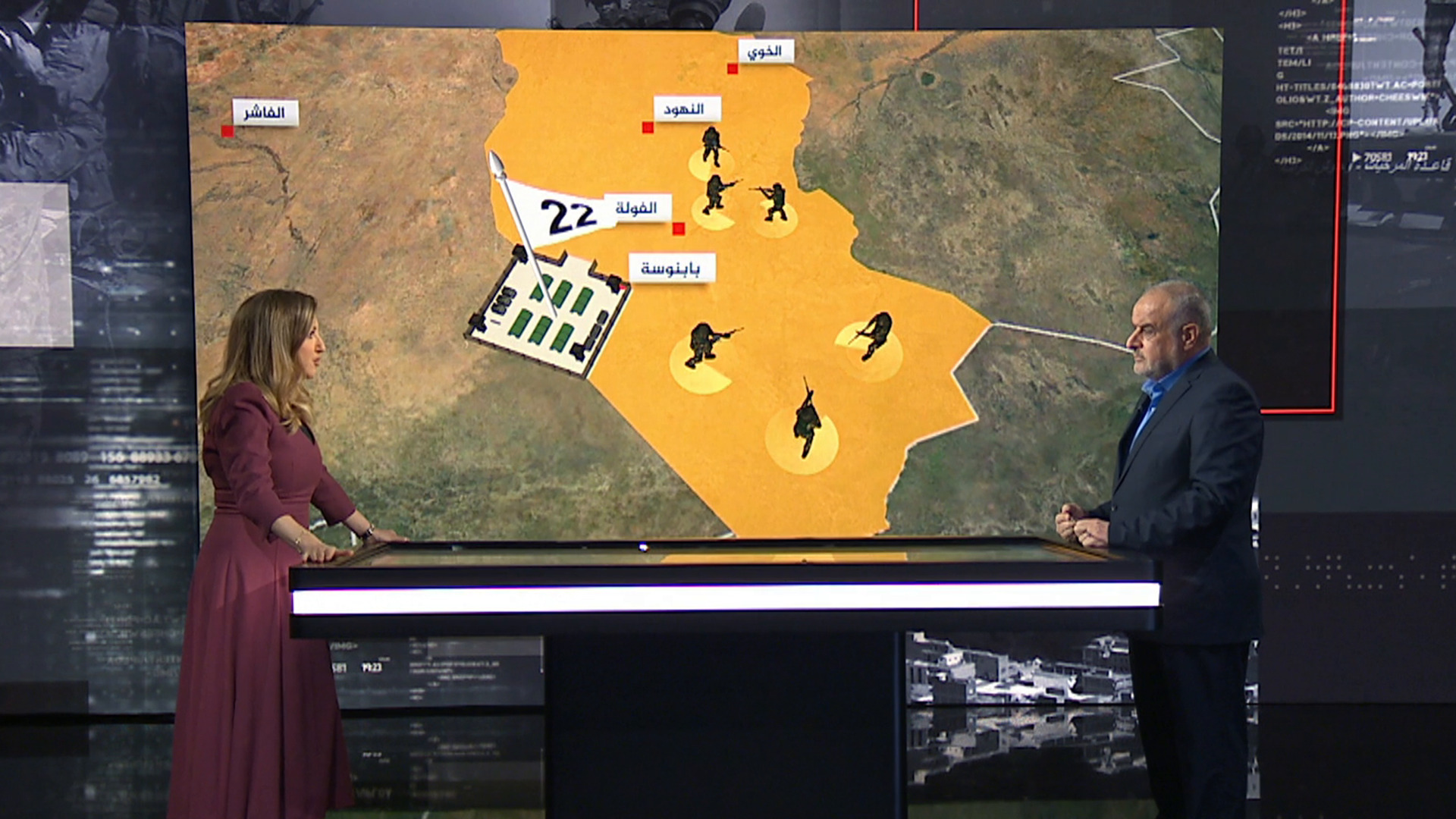
According to military analyst Colonel Hatem Karim al-Fallahi, the RSF’s control of Babnusa grants them significant mobility, allowing them to maneuver both north and south. He characterized the city as a pivotal nexus within the operational theater. The RSF announced on Monday evening that they had taken full control of the army’s 22nd Division and the entire city of Babnusa. As of yet, there has been no official comment from the Sudanese Armed Forces.
Al-Fallahi’s analysis suggests that West Kordofan is now largely under RSF control, providing them with substantial operational freedom. He emphasized that Babnusa is a critical transportation hub, enabling the RSF to advance in multiple directions. Kordofan region comprises of North Kordofan (Al-Obeid as capital), South Kordofan (Kadugli as capital) and West Kordofan (Al-Fula as capital).
However, the military expert noted that the Sudanese Army is currently advancing to break the siege on Babnusa, progressing from the Al-Khowei area towards Al-Nuhud, a considerable distance of approximately 175 kilometers. He stressed that the battle represents a critical race between the army and the RSF for territorial control.
He added that the Sudanese Army had been racing against time to relieve besieged units in these areas. “The army’s delay in reaching these areas led to their fall, as happened with Al-Fasher (the capital of North Darfur State) in the recent period.”
Al-Fallahi anticipates intensified fighting across three key fronts, including North Kordofan, the Al-Obeid region, and surrounding areas such as Jabra al-Sheikh, Sayala, and Bara. He further indicated that the Sudanese Army is also seeking to consolidate its gains in the south, where it has secured control of various territories. He expressed his conviction that the army’s success in mobilizing forces, deploying fighter jets, drones, and armored vehicles will be crucial in regaining the initiative.
The conflict in Sudan, which began in mid-April, continues to inflict immense suffering on the civilian population and destabilize the region.