ICC Chief: US Sanctions Impacted Judges, No Pressure Accepted
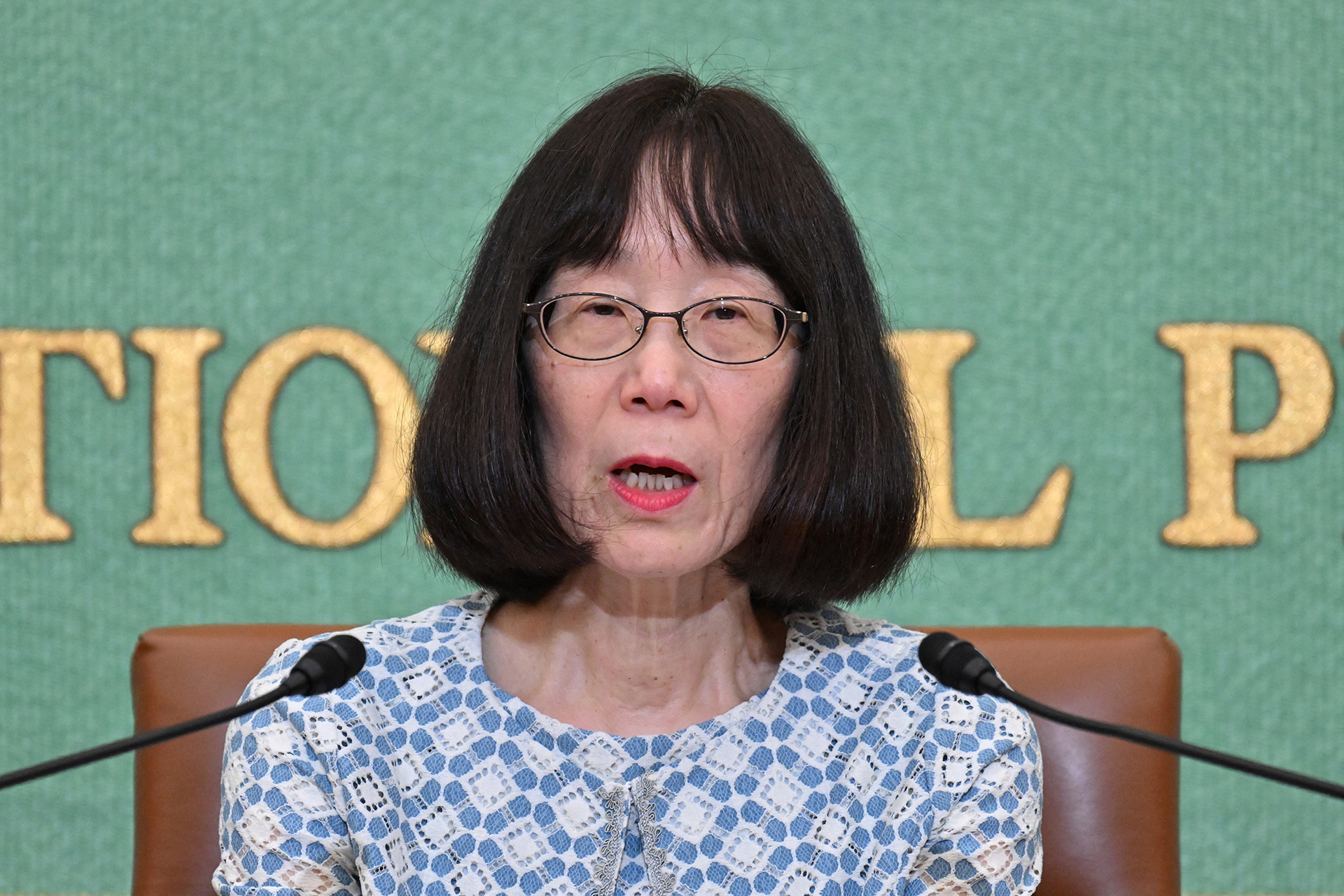
The President of the International Criminal Court (ICC), Judge Tomoko Akane, has stated that U.S. sanctions imposed on senior court officials and judges have directly affected the personal lives of those targeted.
Speaking at the opening of the Assembly of States Parties in The Hague, Judge Akane emphasized that the judicial body “will not accept any pressure of any kind.” She affirmed the ICC’s commitment to impartiality and independence.
“Our independence and impartiality are non-negotiable pillars. Our loyalty remains to the Rome Statute and to international law,” Akane stated.
The Trump administration previously imposed sanctions on Prosecutor Karim Khan, his deputies, and six judges in response to the court’s issuance of international arrest warrants for Israeli Prime Minister Benjamin Netanyahu and former Defense Minister Yoav Gallant, citing alleged war crimes in Gaza.
Khan is currently facing an internal investigation regarding allegations of sexual assault, which he denies. He has temporarily stepped aside from his duties pending the completion of the investigation.
During the opening session, French Justice Minister Gérald Darmanin affirmed France’s unwavering commitment to the court. The French minister condemned what he described as “unacceptable coercive measures” targeting judges and lawyers, including a French judge.
Denmark’s representative, Elsebeth Søndergård Krone, speaking on behalf of the European Union, also emphasized the bloc’s strong support for the court “in the face of threats and sanctions against it.”
In February, 79 countries declared their support for the ICC, warning against the risk of impunity and the undermining of the rule of international law, following Washington’s sanctions against the court.
The 79 countries, representing approximately two-thirds of the ICC’s members, said in a joint statement that these sanctions would severely undermine all situations currently under investigation, as the court may be forced to close its field offices.