Netanyahu’s Actions Deepen Divides, Syria Policy Questioned
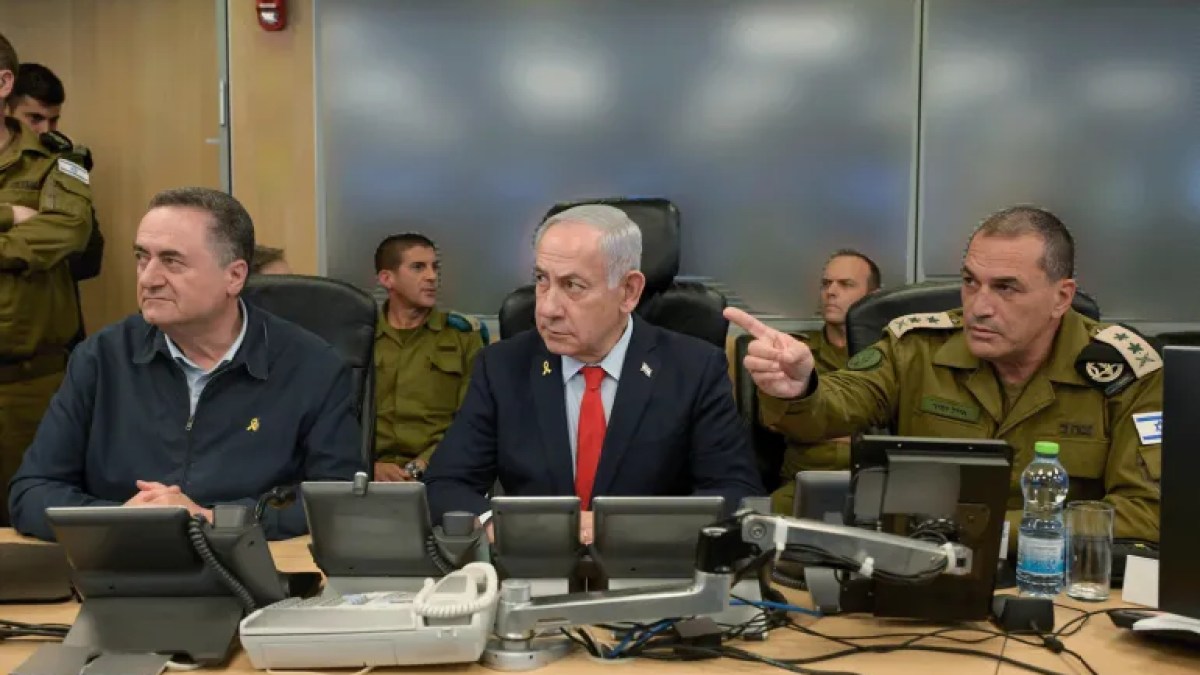
Israeli Prime Minister Benjamin Netanyahu is facing increased scrutiny over his domestic policies and actions in Syria, according to reports in the international press. Concerns are mounting regarding the potential for further division within Israel and the effectiveness of its strategy in the region.
The Jerusalem Post featured an opinion piece by Chemi Shalev, highlighting Netanyahu’s request for a pardon in his ongoing corruption case. Shalev argued that this request “undermines public trust in the judiciary” and emphasized the urgent need for a thorough investigation into the failures surrounding the October 7th, 2023 attacks.
The article further suggests that Netanyahu’s pursuit of judicial reforms was “unacceptably divisive” and that addressing the current crisis requires accountability for past shortcomings and a renewal of political confidence through elections. The Times of Israel quoted Mica Fettmann, Netanyahu’s former lawyer, stating that a pardon is “impossible without an official admission of guilt.”
Demonstrations against the Prime Minister have erupted outside President Isaac Herzog’s residence, with protestors demanding the rejection of the pardon request. President Herzog has stated that he is seeking legal counsel before making a decision and that he is “not currently considering issuing a conditional pardon, as rumored.”
Regarding Israel’s actions in Syria, journalist Elizabeth Tsurkov told The Jerusalem Post that Tel Aviv’s current policy lacks a clear vision, particularly in the southern region. She asserted that these actions “do not achieve tactical gains but rather lead to violent reactions that could open a new front that was not taken into account.” The absence of a clear vision for the future of governance in Damascus and the relationship with it “makes the Israeli presence in Syria without any clear horizon.”
These reports suggest growing unease with Netanyahu’s leadership and the potential consequences of his policies both domestically and in the volatile Syrian landscape. The coming weeks will likely be critical in determining the trajectory of these issues.