Tunisian Opposition Leader Alleges Security Siege, Judicial Bias
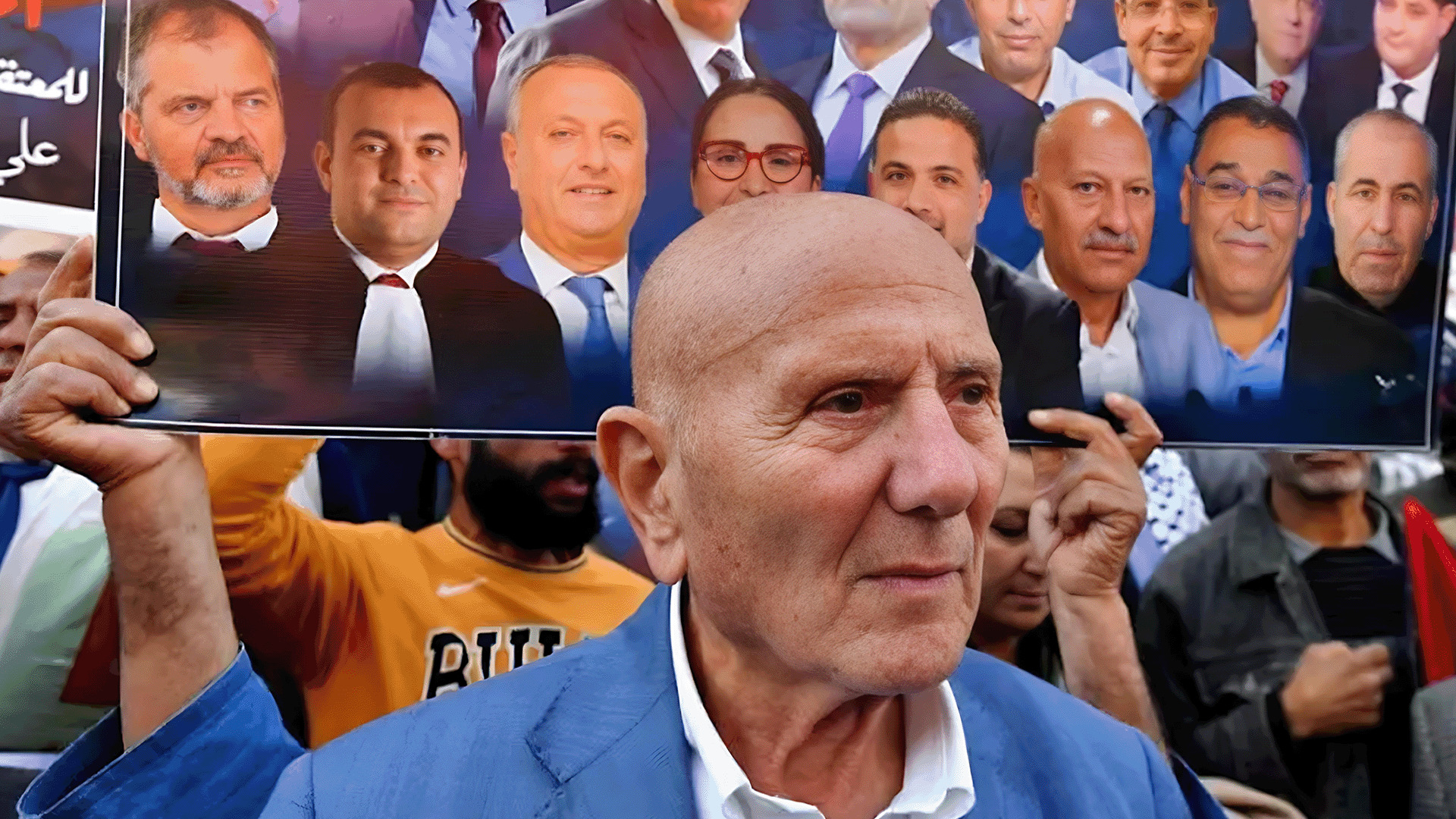
Prominent Tunisian opposition figure, Najib Chebbi, leader of the National Salvation Front, has stated that his home is currently surrounded by security forces in anticipation of his arrest. In an interview, Chebbi described the situation as a politically motivated attempt to silence dissent.
Chebbi asserted that recent court rulings against opposition figures are unjust and based on fabricated charges lacking any legal foundation. He cited this alleged bias as the reason for his boycott of his own trial, stating that the judiciary is merely an extension of the ruling power.
“I am threatened at any moment with being transferred to a Tunisian prison to serve 12 years,” Chebbi declared, highlighting the severity of the situation he faces. His comments come in the wake of recent appeals court decisions that upheld or increased prison sentences for several opposition leaders, businessmen, and lawyers on charges of conspiring to overthrow President Kais Saied.
These sentences, some reaching up to 45 years, have drawn both domestic and international criticism. Chebbi’s own sentence was reduced from 18 to 12 years, while sentences for other opposition figures, including Jawhar Ben Mbarek and Issam Chebbi, were increased to 20 years.
Chebbi maintained that those imprisoned have committed no wrongdoing and were merely exercising their rights as citizens to express their opinions responsibly. He stated that their actions were focused on consultations aimed at restoring balance in favor of democracy in Tunisia.
He further accused the Tunisian judiciary of subservience to the ruling authority, alleging that judges are employed to carry out political vendettas against opponents. He lamented that the judiciary’s role in the “conspiracy” case has been compromised, reducing the matter to a purely political affair. Chebbi, at 82 years old, expressed disbelief at being accused of terrorism after a lifetime dedicated to peaceful and legitimate political activity.
Chebbi concluded by suggesting that the situation will ultimately be determined by the evolving power dynamic between society and the authorities in Tunisia.