Gaza Deal: Analysts Foresee Hurdles in Transition to Phase Two
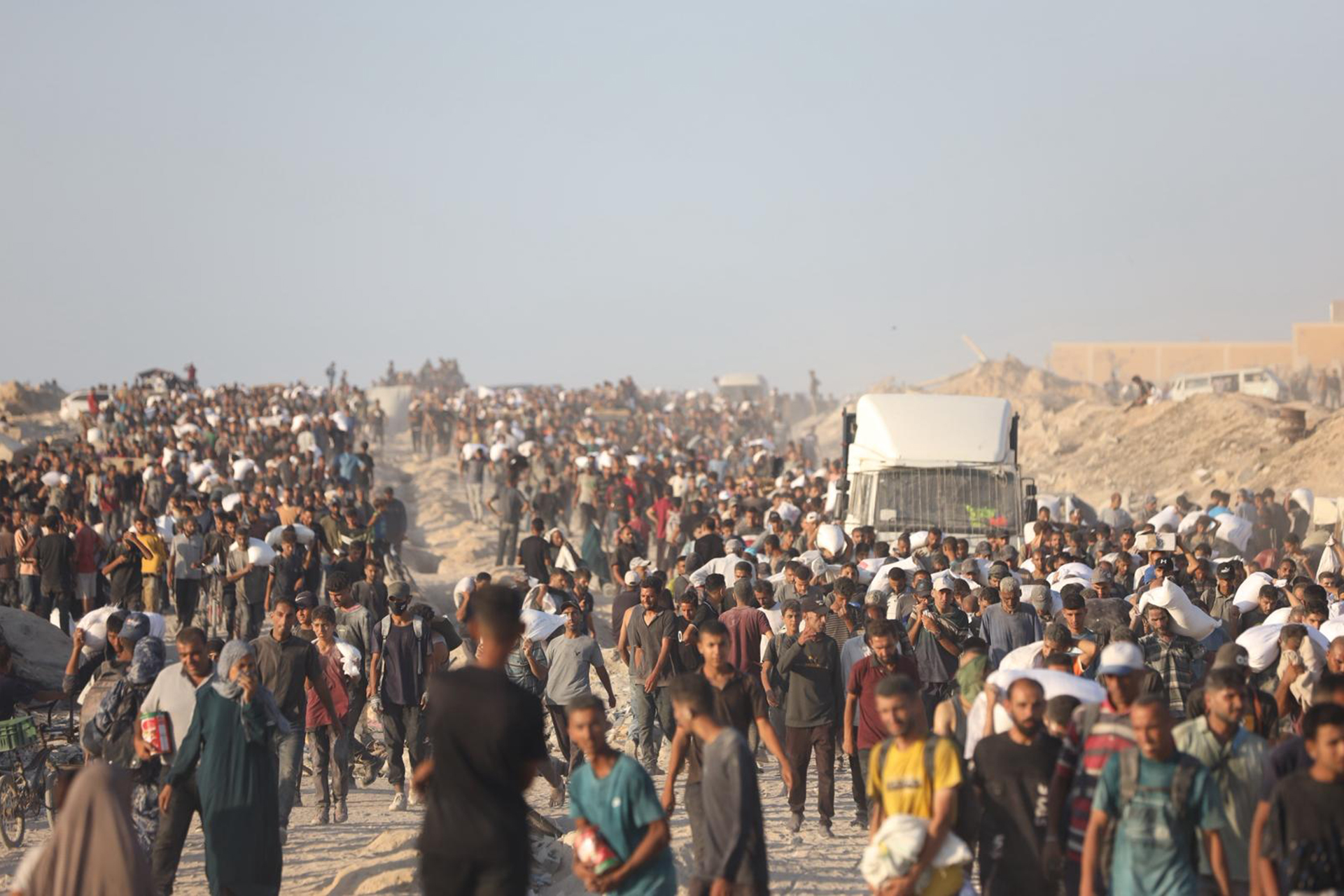
As Israel seemingly attempts to backtrack on the Gaza ceasefire agreement, leaks suggest that US President Donald Trump is poised to announce concrete steps for implementing the second phase. Analysts, however, predict significant obstacles ahead.
According to Israel Hayom, Trump is exerting considerable pressure on Tel Aviv to proceed to the next stage of the agreement. Meanwhile, 24 News reports that Washington is expected to unveil a Peace Council later this month. This council would temporarily oversee the administration of the Gaza Strip, solidify the agreement, and manage reconstruction efforts.
Simultaneously, mediators, particularly from Egypt, Qatar, and Turkey, are emphasizing the need to adhere to the agreed-upon terms. A key point of contention remains the role of the international force, which should not, according to these mediators, engage with Palestinians on the ground – a direct contradiction of Israel’s desires.
The eight participating Islamic nations have also expressed concerns regarding Israeli statements about opening the Rafah crossing to allow Palestinians to leave Gaza. They are calling for strict adherence to the agreement’s provisions, which, according to Qatari Prime Minister and Foreign Minister Sheikh Mohammed bin Abdulrahman Al Thani, is at a “critical juncture.”
The formation of this international force presents a major challenge. Israel envisions the force disarming the resistance on its behalf, while Hamas and the mediators see it as protecting Palestinians and ensuring the withdrawal of occupation forces from the Strip.
This divergence in perspectives makes the international force a significant point of contention. Furthermore, each party interprets the term “second phase” differently, as noted by writer and political analyst Hussam al-Dajani.
Al-Dajani, speaking on the “Path of Events” program, explained that Israel wants an international force to confront the resistance, destroy tunnels, and confiscate weapons. Prime Minister Netanyahu hopes that Arab and Islamic nations will essentially continue the military operations he oversaw for two years, thus shielding him from war crimes accusations.
Conversely, the resistance seeks a force to monitor the agreement’s implementation and safeguard the Palestinian population.