Swiss Citizens Who Sailed to Gaza Face Reimbursement Demands
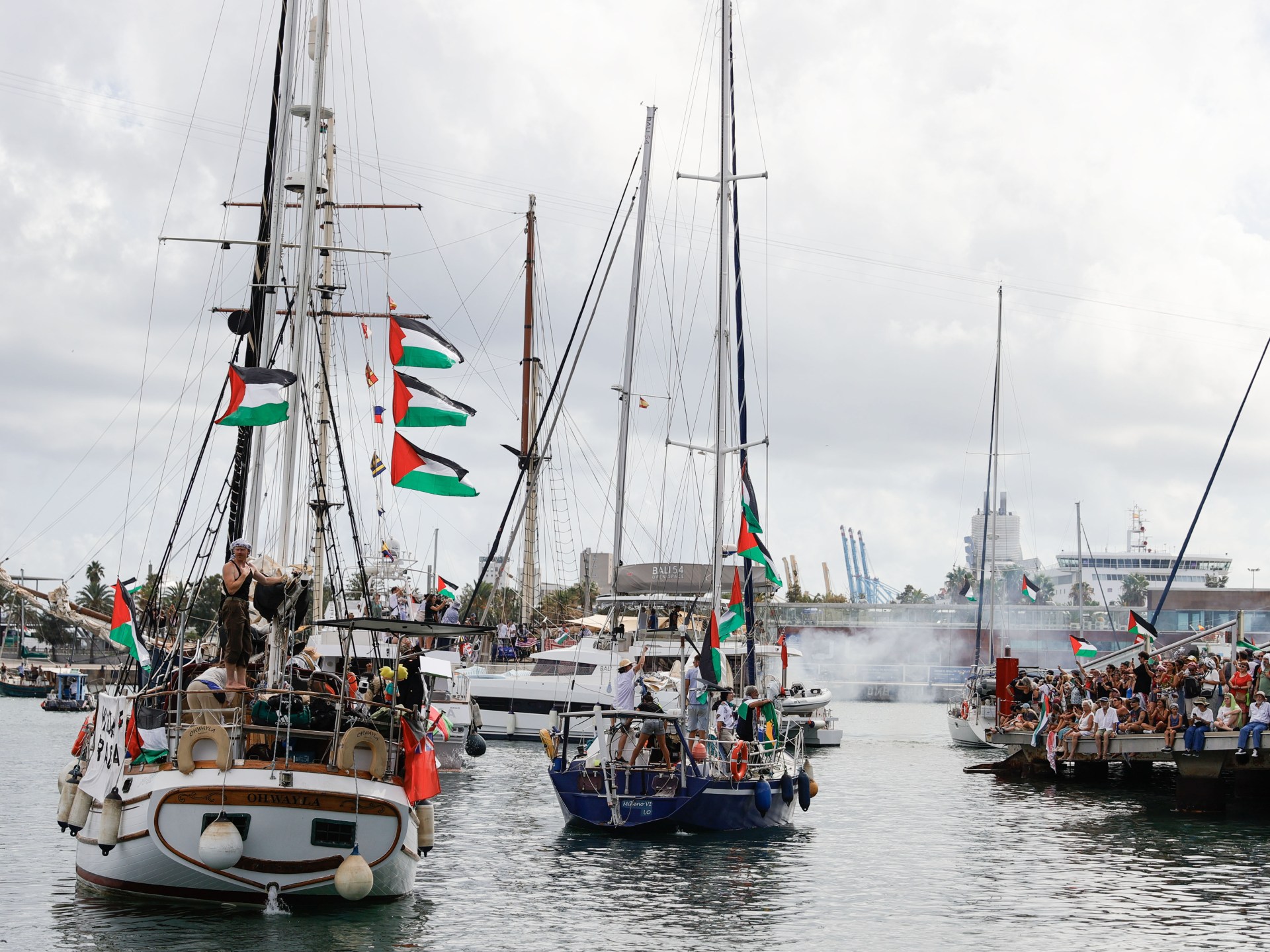
The Swiss government is reportedly seeking reimbursement from its citizens who participated in flotillas attempting to reach the Gaza Strip. These individuals are being asked to cover the costs incurred by the Swiss Confederation for assistance and repatriation, with some bills reaching approximately 30,000 euros.
According to reports, Swiss authorities began sending invoices in early December to around 20 Swiss nationals who participated in past Gaza-bound flotillas. The government is seeking payments ranging from 350 to 1150 euros, classifying these as fees for “consular services” provided after the individuals were detained by Israeli authorities and subsequently deported.
This action is reportedly based on government regulations that stipulate individuals who knowingly expose themselves to risks in crisis zones may be required to shoulder a portion of the costs associated with their evacuation and assistance.
However, the individuals targeted by these invoices are reportedly contesting the charges. They argue that they did not receive any substantial protection and that the consular assistance they received was minimal, often consisting of brief visits before deportation. One individual described the consular interaction as a fleeting encounter with a representative who was quickly dismissed, having barely met half of the group.
Some, like activist Sebastien Dubonnet, accuse Swiss diplomacy of being negligent and inhumane, arguing that the government is demanding payment for services that were not adequately provided. The organization “Waves of Freedom,” whose members participated in one of the flotillas, has condemned the government’s decision as “dishonorable.” They expressed hope that Swiss authorities would reconsider their position and instead recognize the courage of Swiss activists attempting to support the Palestinian people.
It remains to be seen how this situation will unfold, but it raises questions about the responsibilities of governments towards their citizens who engage in activism abroad, particularly in conflict zones.