Algeria Achieves 75% Food Self-Sufficiency, Launches Major Agricultural Projects
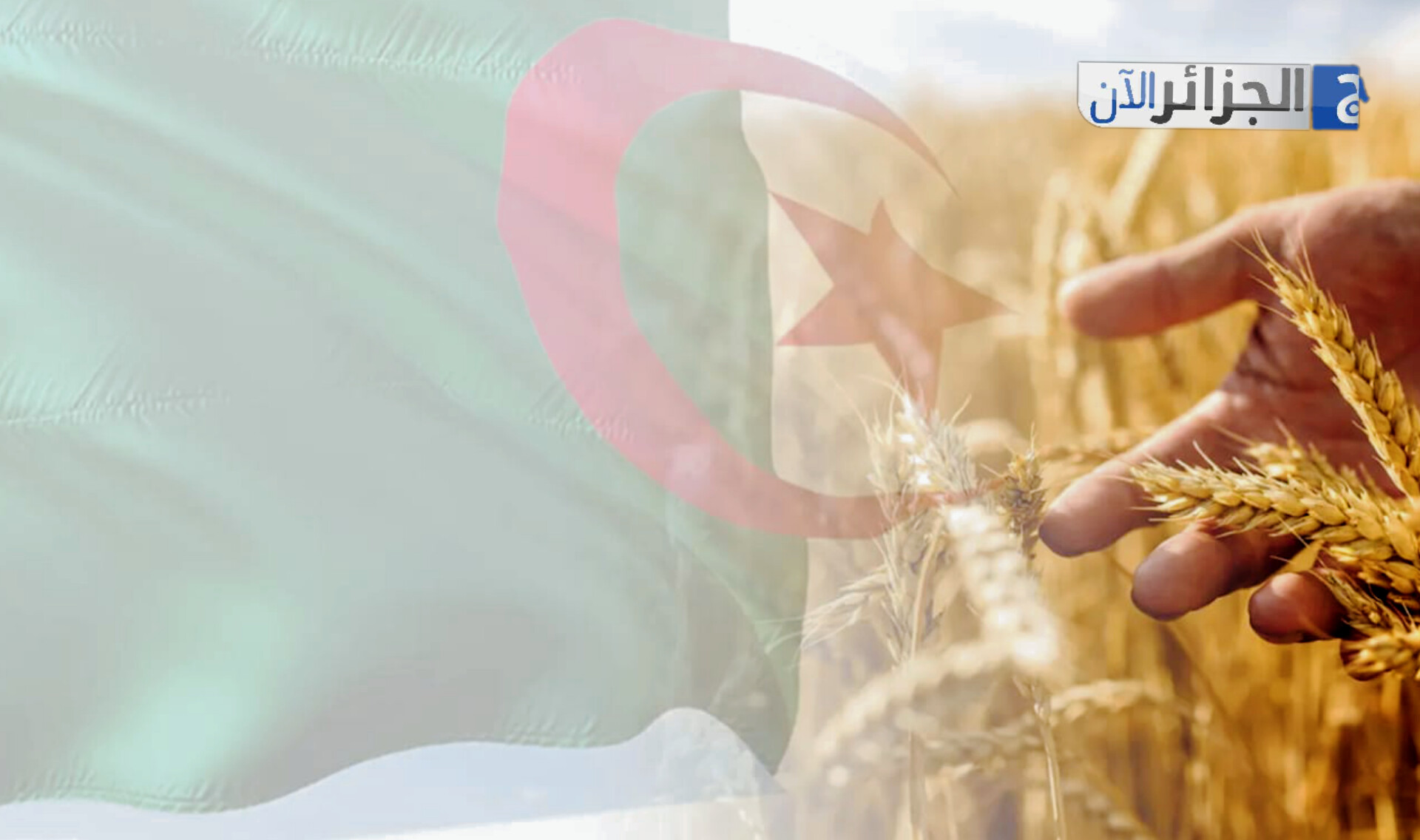
Algiers – Algeria is currently meeting over 75% of its domestic food needs and is embarking on ambitious agricultural projects to further bolster food security, according to Ibrahim Gribaia, head of the Agricultural Chamber of Algiers. In a recent interview, Gribaia highlighted the significant progress made in local production, particularly in seasonal vegetables and citrus fruits.
The national food security strategy focuses on developing three key sectors: cereals, milk, and red meat. The goal is to achieve a domestic cereal production target of 9 million tons. Gribaia emphasized Algeria’s independence in seed production, stating that the country has not imported cereal seeds for over 30 years thanks to the efforts of engineers at the Institute of Major Crops.
He also underscored the vast potential of the Algerian south, which possesses significant water reserves estimated between 50,000 and 60,000 cubic meters. This resource will be crucial in expanding agricultural production capabilities within the country.
Algeria is preparing to launch major agricultural projects in partnership with international entities. Notably, the “Baladna” program with Qatar is set to commence in 2026. Another project, in collaboration with Italy, will cultivate 36,000 hectares in Timimoun for the production of cereals and raw materials used in pasta manufacturing. This reflects Algeria’s openness to international cooperation to enhance national production.
In the realm of digital transformation, Gribaia explained that since 2023, farmers have been identified through a national platform, providing each farmer with a unique national identification number. Plans are underway to introduce a farmer card equipped with a QR code, streamlining access to support services and promoting transparency within the agricultural sector.
Gribaia also pointed to the significant development in apple production, with the provinces of Khenchela and Batna exceeding 4 million quintals on 12,000 hectares. This increase is attributed to raising tree density from 300 to 3,000 trees per hectare, demonstrating the success of agricultural policies in improving production quality and volume.
Gribaia concluded by stressing the importance of resolving land tenure issues and activating scientific research to further advance the agricultural sector. These initiatives are critical to ensuring the long-term sustainability and growth of Algeria’s agricultural capabilities.