Algeria and Tunisia Deepen Strategic Partnership
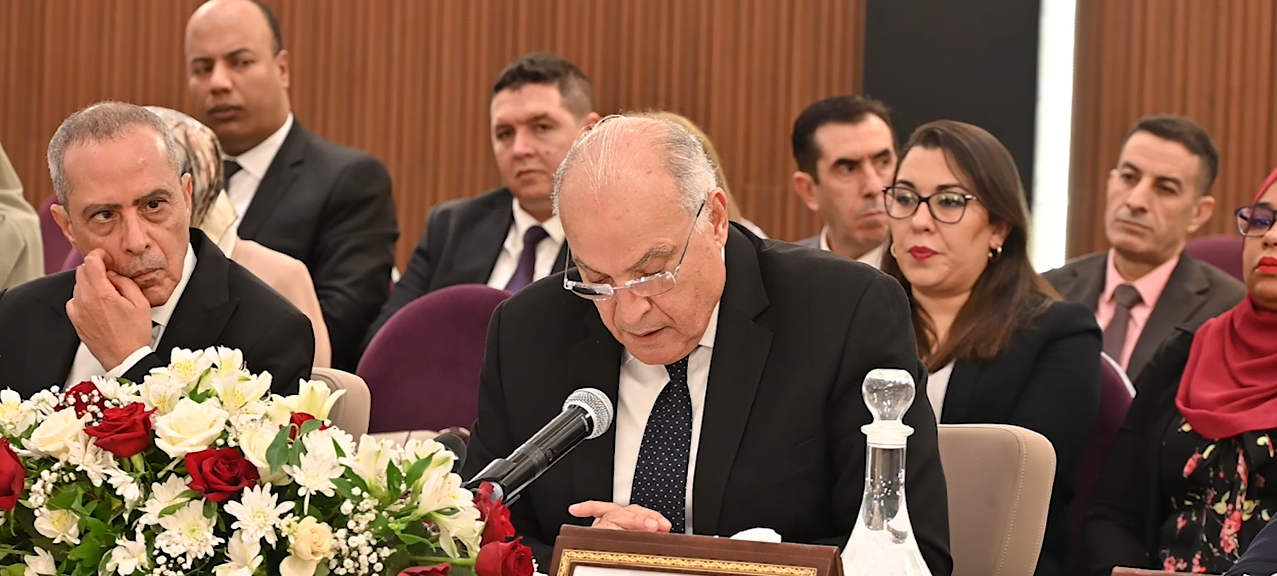
State Minister and Minister of Foreign Affairs and National Community Abroad and African Affairs, Ahmed Attaf, has reaffirmed the deep-rooted and strategic nature of Algerian-Tunisian relations during a speech in Tunis. He highlighted the fraternal ties between the two nations during the Algerian-Tunisian Follow-up Committee meeting, held in preparation for the 23rd session of the Joint Grand Commission scheduled for tomorrow.
Minister Attaf conveyed his appreciation to his Tunisian counterpart, Mohamed Ali Nafti, and all members of the delegations for their warm reception and hospitality. He expressed his pride in the familial atmosphere that characterized the committee’s work, emphasizing that the meeting aimed to assess achievements and explore future steps to elevate bilateral relations to the level of a strategic partnership, as envisioned by the leaders of both countries, President Abdelmadjid Tebboune and President Kais Saied.
Attaf stressed that Algerian-Tunisian relations transcend mere figures and indicators, being built on a shared history, popular solidarity, and a rich legacy of cooperation in facing challenges. He cited historical events such as the Sakiet Sidi Youssef events of 1958 and the brotherhood, neighborhood, and cooperation treaties of 1970 and 1983, as foundational milestones.
He outlined three fundamental dimensions driving the current dynamism in Algerian-Tunisian relations: political and security, economic, and humanitarian. On the political and security front, the Minister lauded the seamless consultation and coordination between the two countries, reflecting a consensus on key regional and international issues, from supporting the Palestinian cause to contributing to de-escalating crises in Libya, combating terrorism, and strengthening joint Arab and African action, as well as supporting the Euro-Mediterranean partnership and adherence to international law.
In the economic sphere, Attaf noted a 42% increase in trade exchange over the past three years, reaching approximately $2.3 billion in 2024, making Tunisia Algeria’s second-largest trading partner in Africa. He also praised the growth of mutual investment projects, which have expanded to include various industries, including pharmaceuticals, agriculture, and the services sector.
Regarding the humanitarian dimension, the Minister considered it the cornerstone for ensuring the sustainability of relations, pointing to efforts to facilitate the movement of citizens, enhance land and air transport, and resume railway lines between the two countries.