South Sudan Assumes Security Control of Heglig Oil Field
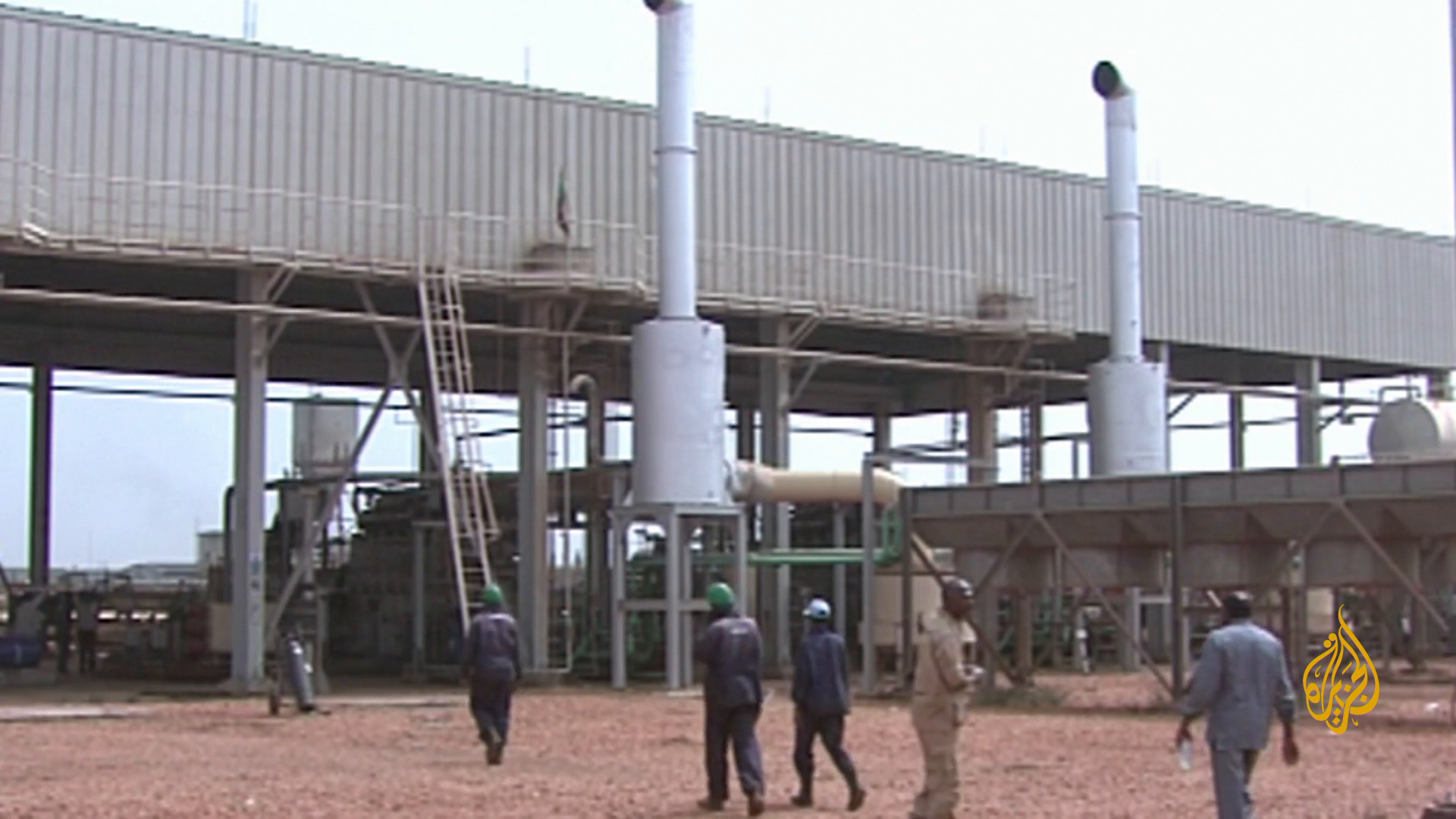
Following the recent seizure of the Heglig oil field by the Rapid Support Forces (RSF), the government of South Sudan has entered into a tripartite agreement to assume security responsibilities for the strategic area. Heglig, located on the border between Sudan and South Sudan, is Sudan’s largest oil field and a critical facility for processing South Sudan’s oil exports.
The agreement highlights the complex and evolving security landscape in the region, as control of key infrastructure shifts amidst ongoing conflict. Sources indicate that a previous oil and security cooperation agreement existed between Khartoum and Juba, underscoring the interconnectedness of the two nations’ economies and security concerns.
The development follows the withdrawal of Chinese personnel from the Heglig oil field due to escalating security concerns. This withdrawal emphasizes the significant impact of regional instability on foreign investment and energy production. Meanwhile, both sides of the Sudanese conflict continue to trade accusations, further complicating efforts to establish lasting peace and stability.
The assumption of security control by South Sudan raises questions about the long-term implications for oil production and regional stability. The move could potentially safeguard vital oil infrastructure and ensure continued exports, but it also risks drawing South Sudan further into the Sudanese conflict. The situation remains fluid, and DZWatch will continue to monitor developments closely.
This strategic shift in security responsibilities could have far-reaching consequences for the region’s economy and political landscape. The future of the Heglig oil field, and its contribution to both Sudan and South Sudan’s economies, now rests in the hands of South Sudanese forces. The coming weeks will be crucial in determining the success of this agreement and its impact on the broader conflict.