Kenyan Court Halts Health Data Agreement with US
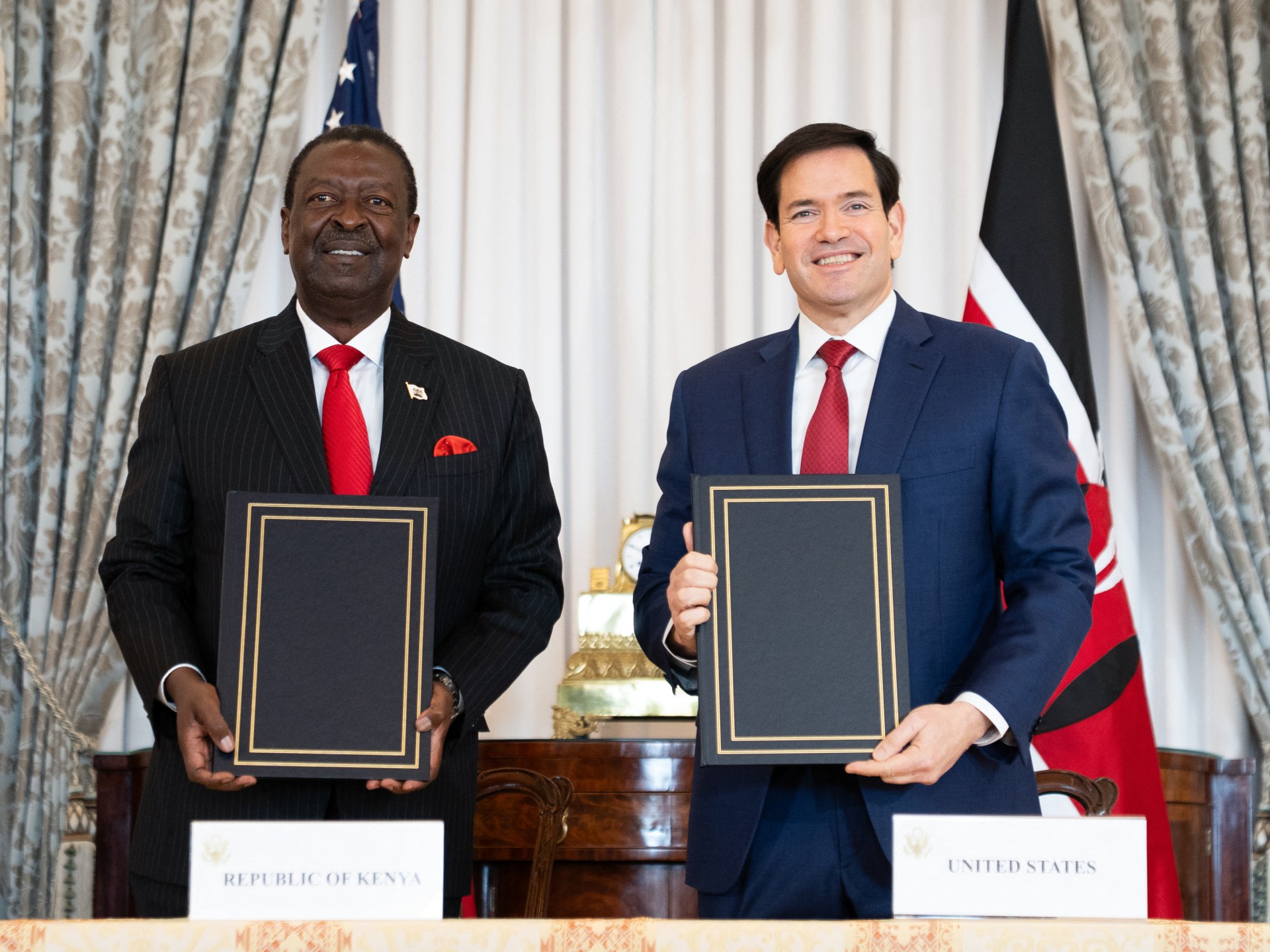
Nairobi, Kenya – The High Court of Kenya has issued conservatory orders halting the implementation of a health cooperation agreement signed between Nairobi and Washington last week. The move follows growing controversy surrounding a clause pertaining to the transfer of medical and personal data abroad.
The court specifically suspended the portion of the agreement related to the exchange of health and epidemiological information. This suspension will remain in effect pending a legal review of the agreement.
The decision comes in response to a lawsuit filed by the Kenyan Consumers Federation, which argued that the agreement, signed in Washington on December 4th by Kenyan Prime Minister Musalia Mudavadi and U.S. Secretary of State Marco Rubio, violates the constitution and health laws. The Federation also stated that the agreement was formulated without public oversight.
In its submissions, the Federation warned that the transfer of medical data abroad poses a permanent and irreversible risk, potentially leading to violations of citizens’ privacy and exposing them to stigmatization and misuse of their information.
Kenyan President William Ruto has attempted to quell concerns, asserting that the initiative originated from the Kenyan side, not the American. He added that negotiations were conducted in Nairobi before the agreement was formally signed in Washington. Ruto also stated that the Attorney General reviewed the agreement and affirmed its legal soundness, denying the existence of any loopholes regarding data protection.
The case is scheduled to be heard again on February 12th to monitor compliance with the court orders and to determine the course of expedited hearings to consider the challenge. This development occurs amidst increasing public and political concerns that international agreements could become gateways for the leakage of sensitive data outside the country. This places the government in a difficult position, balancing the need to strengthen international cooperation in the health sector with the imperative of safeguarding the privacy of its citizens.