Gaza Deal: US, Israel at Odds Over Phase Two Details?
The second phase of the Gaza ceasefire agreement is proving to be significantly more complex and sensitive than the initial stage, primarily due to interwoven security, political, and humanitarian concerns. Differing perspectives among the involved parties are further complicating matters.
Israeli Prime Minister Benjamin Netanyahu is reportedly linking further progress to the recovery of the remains of the last Israeli soldier believed to be in Gaza. Meanwhile, US President Donald Trump is pushing for the completion of the agreement and actively promoting the implementation of its second phase.
A key point of contention is the Israeli withdrawal. Disagreements center around the specifics of the withdrawal, particularly concerning the demarcation between the so-called “Yellow Line” and the “Red Line.” Reports suggest that Israel has expanded the “Red Line” westward, deviating from the initial agreement which stipulated a withdrawal from the border areas with Gaza. The United States views this Israeli positioning as temporary.
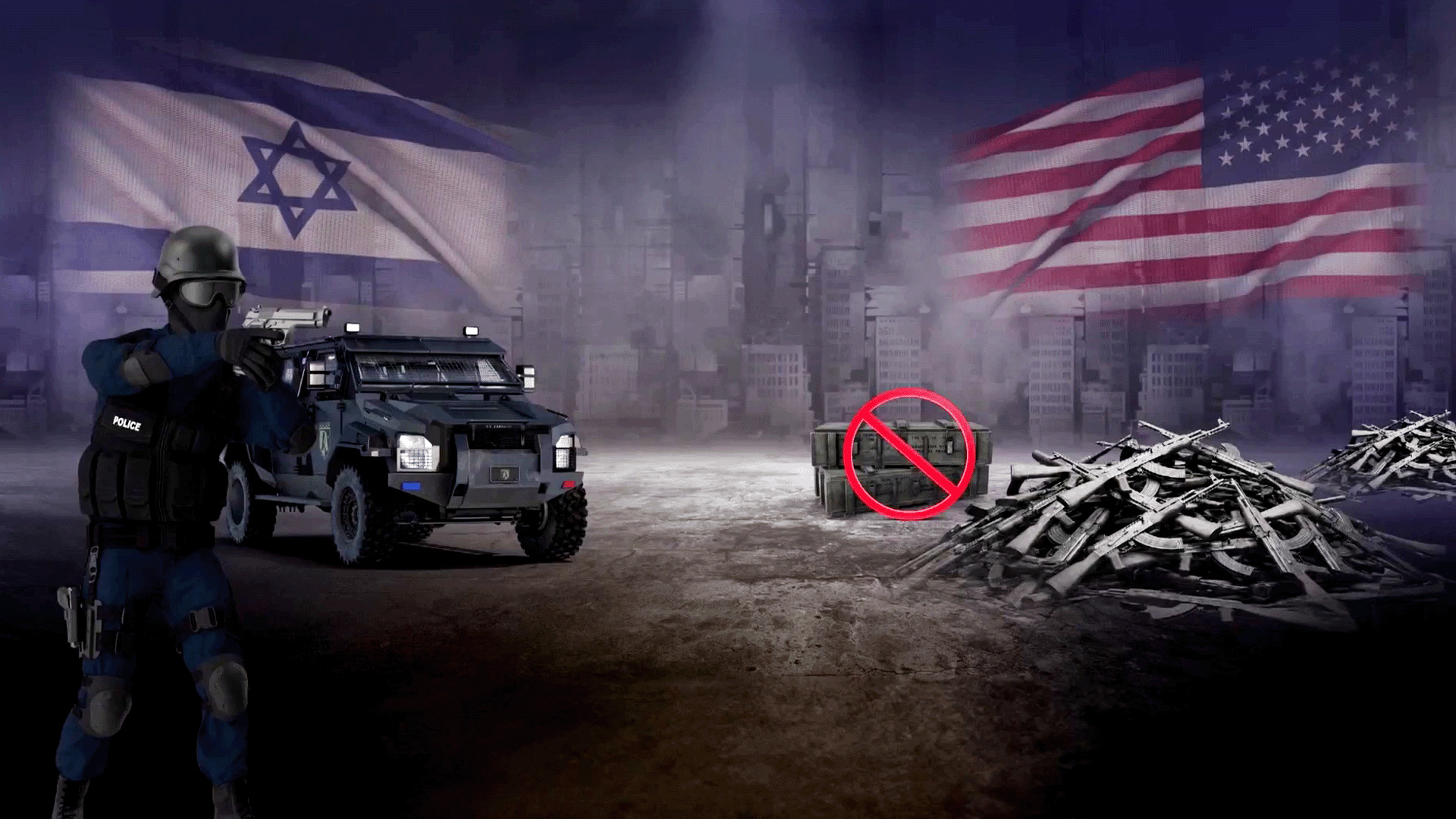
Israel is setting firm conditions for implementing the second phase withdrawal, most notably the disarmament of Hamas. Israel insists that no withdrawal can occur before this condition is met. In contrast, Washington proposes a different approach, advocating for a gradual withdrawal under international monitoring. The US believes this approach will facilitate the agreement’s success and the achievement of its objectives, especially given Hamas’s stated commitment to the agreement’s terms.
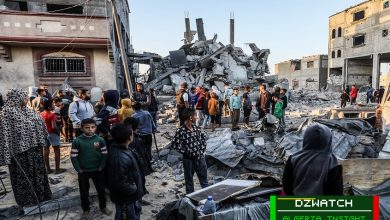
The first phase of the ceasefire agreement in Gaza commenced on October 10th, following two years of intense conflict that resulted in a devastating toll. Over 70,000 lives were lost, and much of the civilian infrastructure in the Palestinian territory was destroyed.
Disagreements extend beyond the principle of disarmament. While both parties agree on disarmament in principle, they diverge on the methods and timing. Israel favors all means, including military force, and demands an immediate and rapid disarmament of the factions. The United States, however, sees no issue with adopting a gradual approach to achieving this goal.
The deployment of an international stabilization force is a prominent feature of the agreement’s second phase. According to the US plan, this force would contribute to dismantling the existing security apparatus within Gaza.
The core issue remains: Can the US and Israel bridge their differences to ensure the successful implementation of the Gaza ceasefire agreement and a lasting peace?