Eleven Administrative Districts Set to Become Full Provinces
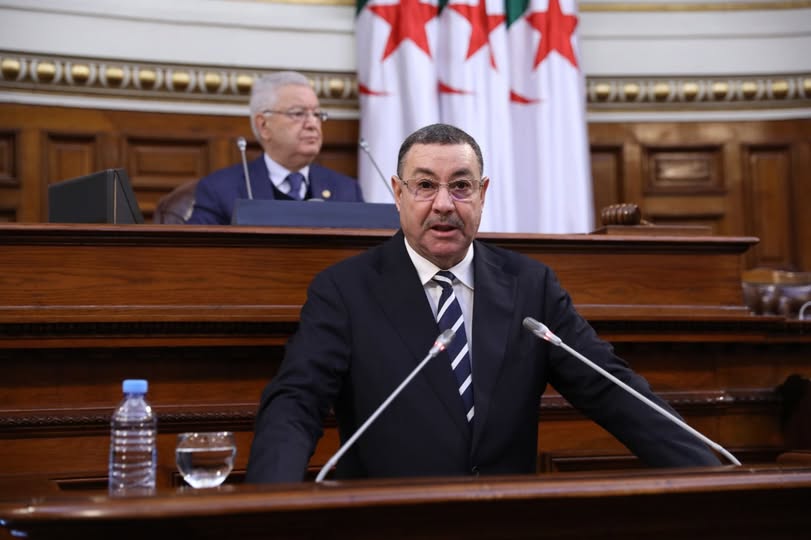
The Minister of Interior, Local Authorities, and Transport presented a draft amendment to Law No. 84-09 concerning the country’s territorial organization to the National Assembly’s Committee on Legal and Administrative Affairs, Human Rights, Local Organization, Regional Planning, and Territorial Division earlier today.
According to a ministry statement, the Minister began by expressing gratitude to the President of the National Assembly, Azzouz Nasseri, the Minister of Relations with Parliament, Najiba Djilali, the committee members, and all those who contributed to the study and discussions of the draft law. He praised their efforts and the insightful debates that were based on realistic field data and accurate indicators, reflecting a shared commitment to developing a comprehensive project that serves the national interest.
The Minister emphasized that the presentation of this project is part of the in-depth reforms initiated by the state under the leadership of President Abdelmadjid Tebboune, aimed at modernizing administration, strengthening local governance, and achieving balanced and comprehensive development across the country.
In this context, he explained that the draft law includes the elevation of eleven (11) administrative districts to full-fledged provinces. This decision, he stated, is a well-considered strategic choice stemming from an objective assessment of the administrative districts’ experience, which has proven effective in bringing administration closer to citizens, improving the quality of public service, and accelerating the handling of residents’ concerns.
The proposal includes upgrading the following administrative districts: Afloo (Laghouat Province), Barika (Batna Province), El Kantara (Biskra Province), Bir El Ater (Tebessa Province), El Aricha (Tlemcen Province), Ksar Chellala (Tiaret Province), Ain Oussera and Messaad (Djelfa Province), Ksar El Boukhari (Medea Province), Boussaada (M’Sila Province), and El Abiodh Sidi Cheikh (El Bayadh Province). This will bring the country’s new territorial division to a total of sixty-nine (69) provinces, comprising 1541 municipalities.
The Minister further indicated that this upgrade is in response to a number of objective considerations, including: strengthening decentralization and bringing decision-making closer to the people, capitalizing on available economic and social potential, and geographical extension and population density.