Maduro: Venezuela Will Never Be Colonized, Trade Will Continue
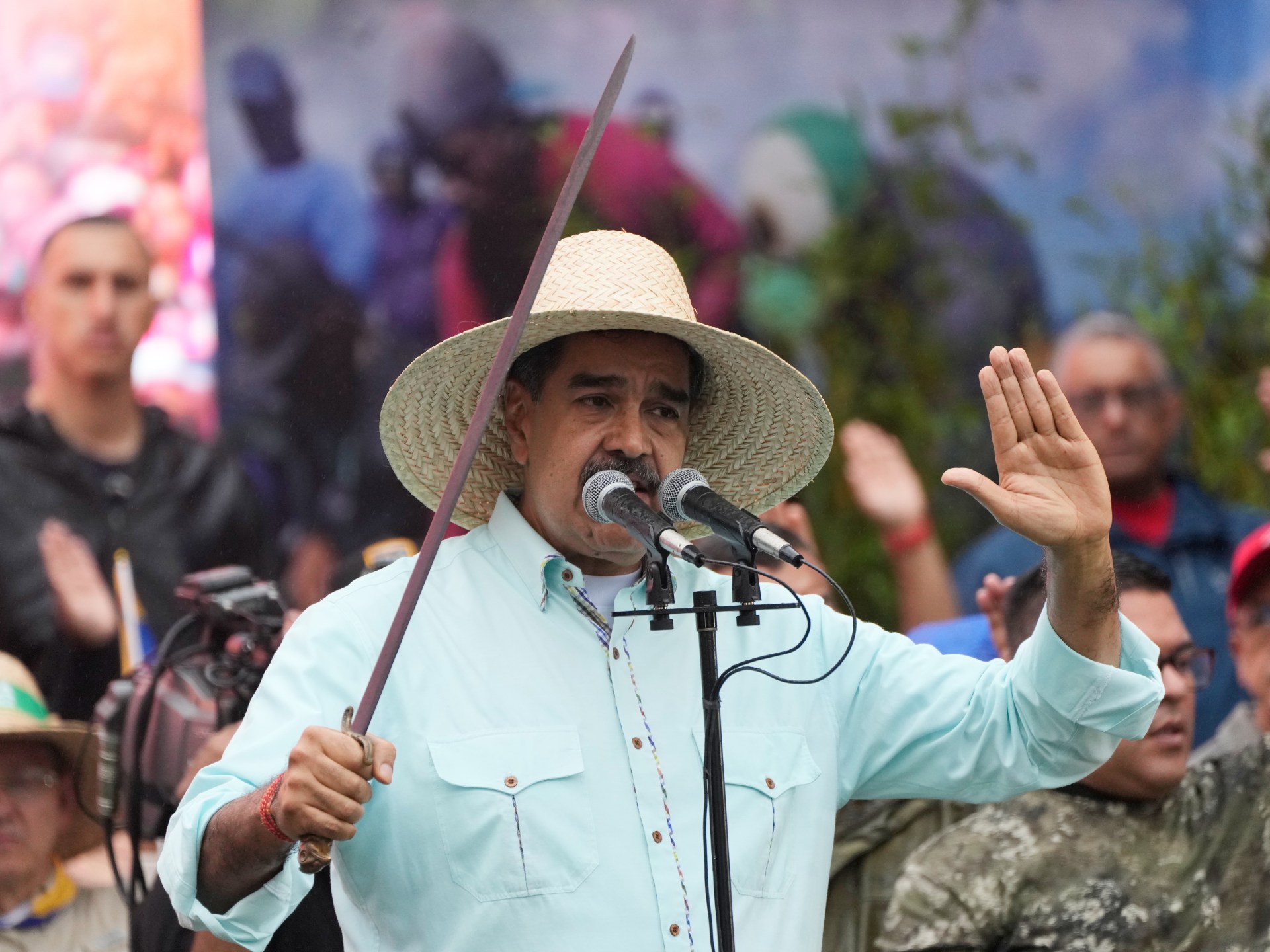
Venezuelan President Nicolas Maduro has asserted that Venezuela will never be colonized and will continue its trade relations with the world. He also called on the Colombian people to unite against what he described as violations of international law by “colonial governments in the North.”
Maduro accused the United States of seeking to impose a puppet government in Venezuela, stating that such an attempt “would not last more than 48 hours.” He emphasized that Venezuela has achieved a high level of national unity by respecting its sovereignty and independence.
“We will not be colonized,” Maduro declared, reiterating the nation’s commitment to its international trade. He expressed unwavering confidence that the Venezuelan people and the military would unite to “guarantee our right to our oil, minerals, and all our land.” He characterized the demands of the United States as “warlike, colonialist, and aimed at regime change.”
Venezuela’s representative to the United Nations has also accused the US administration of violating Article 2.4 of the UN Charter by threatening the use of force, imposing a unilateral naval blockade that violates international law, and attempting to impose an air blockade that endangers civil aviation. The representative stated that President Trump’s statements were “unprecedented and violate our sovereignty and territorial integrity,” and called for an emergency meeting of the Security Council to discuss the “ongoing US aggression.”
DZWatch understands that the United Nations Security Council may hold a session next week to discuss the situation in Venezuela, potentially sooner depending on developments.
In related news, American oil companies have reportedly informed the Trump administration of their reluctance to return to Venezuela even after Maduro’s departure. The administration has reportedly discussed the possibility of their return in the event of a regime change.
Additionally, reports indicate that oil storage facilities in Venezuela are nearing maximum capacity due to US restrictions on crude oil exports.