
ICC Sanctions: Is Washington Undermining International Law to Protect Israel?
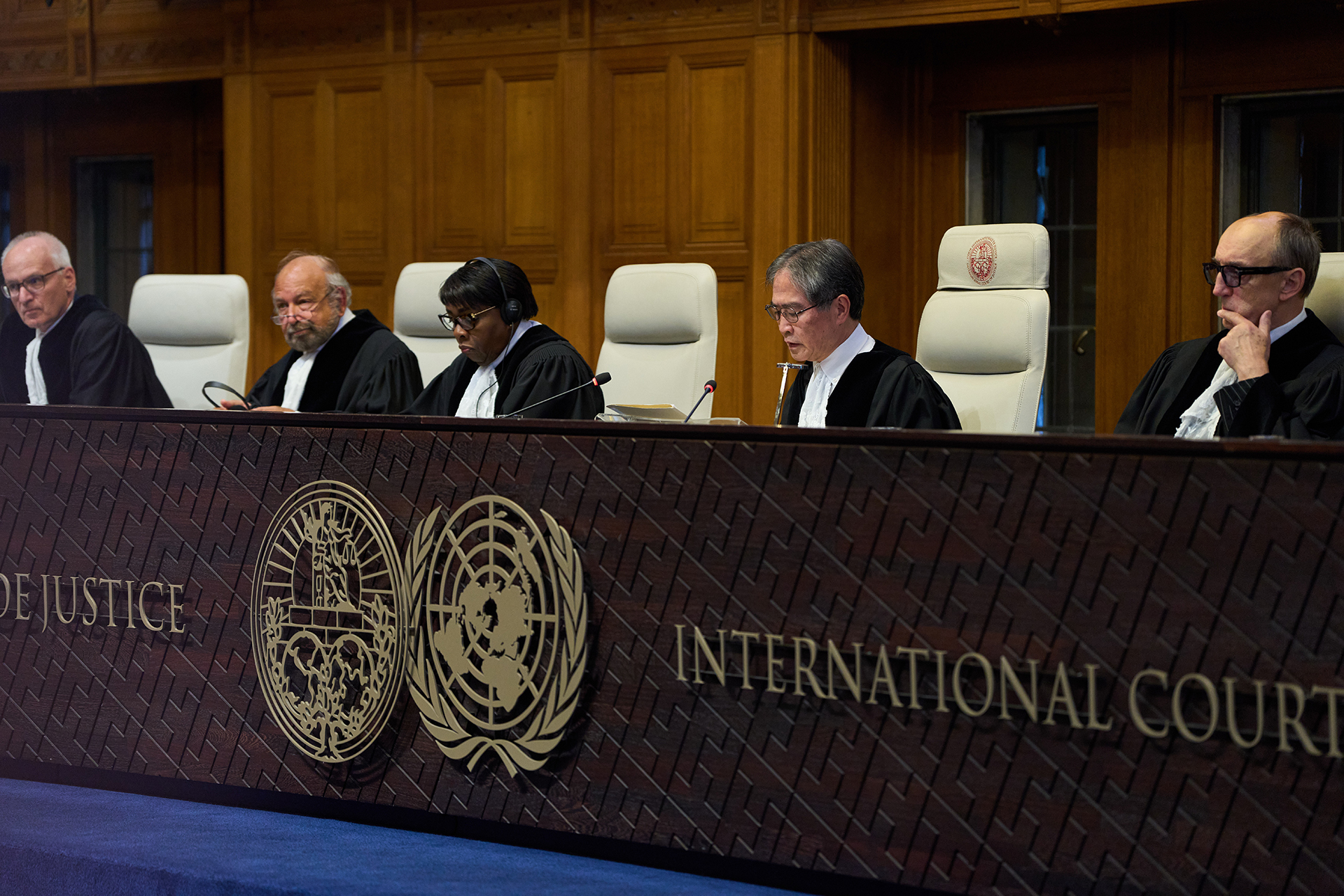
Recent U.S. sanctions against International Criminal Court (ICC) officials have ignited a global debate about the future of international law and the role of powerful nations in shaping its application. The sanctions, targeting ICC judges who supported investigations into alleged crimes in Palestinian territories and issued arrest warrants for Israeli Prime Minister Benjamin Netanyahu and former Defense Minister Yoav Gallant, are seen by many as a direct challenge to the court’s authority and independence.
These actions signal a shift from a purely legal dispute to a political confrontation over the very foundation of the rules-based international order. The message, according to observers, is clear: any judicial process that approaches Israel will be met with the full force of American power, bypassing legal channels.
Instead of a procedural objection to the ICC’s jurisdiction, analysts interpret this move as an attempt to redefine the boundaries of international justice according to the balance of power, not the letter of the law. Washington, which previously welcomed the expansion of the court’s powers when it targeted its adversaries, is now undermining it when its actions affect its closest ally.
This perceived double standard is difficult to ignore. The U.S. does not oppose the ICC in principle, but only when it becomes a constraint on its hegemony. The rules-based international system is acceptable as long as it serves American interests, but it becomes a burden when it opens the door to accountability for Israeli leaders or American soldiers.
The contrast is stark when comparing the U.S. position on arrest warrants issued against Russian President Vladimir Putin, where Washington expressed explicit support for the court despite Moscow not being a member of the Rome Statute, with its current rejection of the court’s jurisdiction in the Palestinian territories, despite the Palestinian Authority’s official accession to the court since 2015.
From a legal perspective, some argue that the ICC has exceeded its mandate because the United States and Israel are not parties to the Rome Statute. However, critics contend that this justification masks a deeper agenda: the preservation of U.S. and Israeli exceptionalism within the international legal framework. The implications of these sanctions extend far beyond the ICC, potentially undermining the credibility and effectiveness of international law as a whole. The future of international justice hangs in the balance.