Global Media: Washington Wary of Netanyahu, Europe’s Mideast Role Diminishes
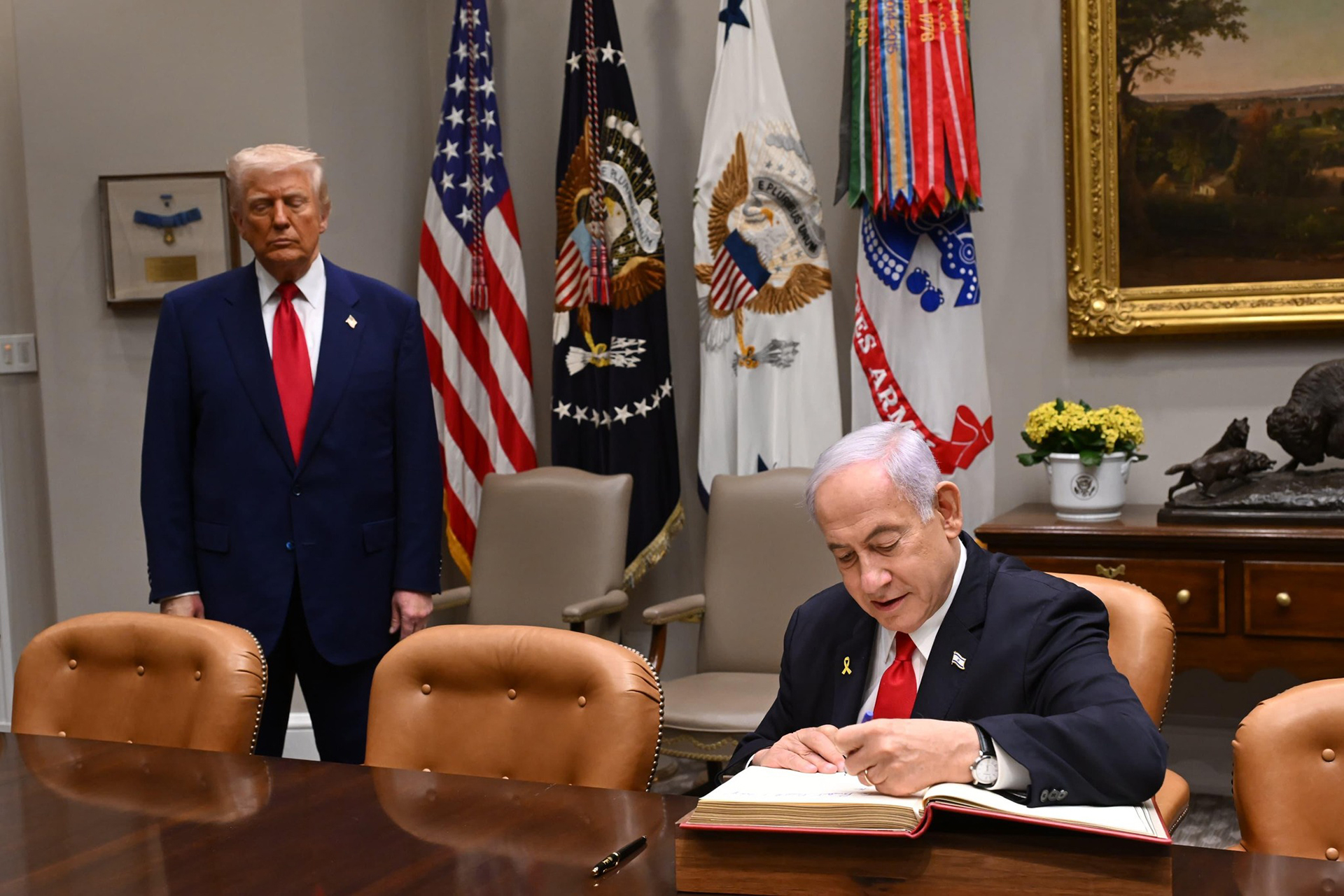
International media outlets are reporting on Washington’s growing apprehension regarding the policies of Benjamin Netanyahu’s government, alongside a perceived decline in Europe’s influence in the Middle East. These developments are occurring against a backdrop of complex global crises and shifting power dynamics.
Haaretz, in an article by Amos Harel, suggests that the American administration fears Israel might deliberately obstruct the implementation of subsequent phases of President Trump’s peace plan. The article notes the continued volatility in Gaza, Lebanon, Syria, and Iran. Harel posits that Netanyahu’s anticipated visit to Washington later this month could be pivotal for Israel’s regional standing post-conflict. He highlights Trump’s fluctuating stances in recent months, indicating potentially unfavorable prospects for Netanyahu.
The Haaretz analysis also points to Hamas’s apparent willingness to transition to the next stage of the political process. This raises a crucial question: Will Trump exert direct pressure on Netanyahu to advance the process?
Turning to Europe’s role, Nathalie Tocci, writing in The Guardian, argues that Europe has lost significant credibility in the Middle East. She attributes this loss to Europe’s diminished role in securing a lasting truce in Gaza and its preoccupation with the war in Ukraine. Tocci contends that this decline renders Europe seemingly powerless, despite the Middle East remaining a strategically important neighbor. She suggests that supporting governance and reform in countries like Syria, Iraq, and Lebanon could offer the continent an opportunity to regain its lost influence.
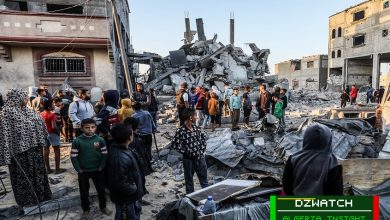
The humanitarian crisis in Gaza remains a pressing concern. The Financial Times highlights the devastating impact of winter storms on the Gaza Strip. Reports indicate that displacement camps are flooded and damaged buildings are collapsing, while the entry of shelter and repair materials is allegedly being restricted, according to human rights organizations. Erika Guevara Rosas of Amnesty International is quoted as saying that these scenes are not solely attributable to the weather but are a direct consequence of ongoing Israeli policies and the impact of the war on the sector’s humanitarian infrastructure.
From Brussels, the Washington Post reports that the European Union has approved…