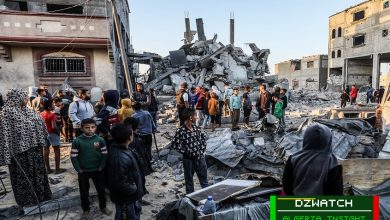
Operation ‘Eagle Eye’ Targets ISIS Positions in Syria
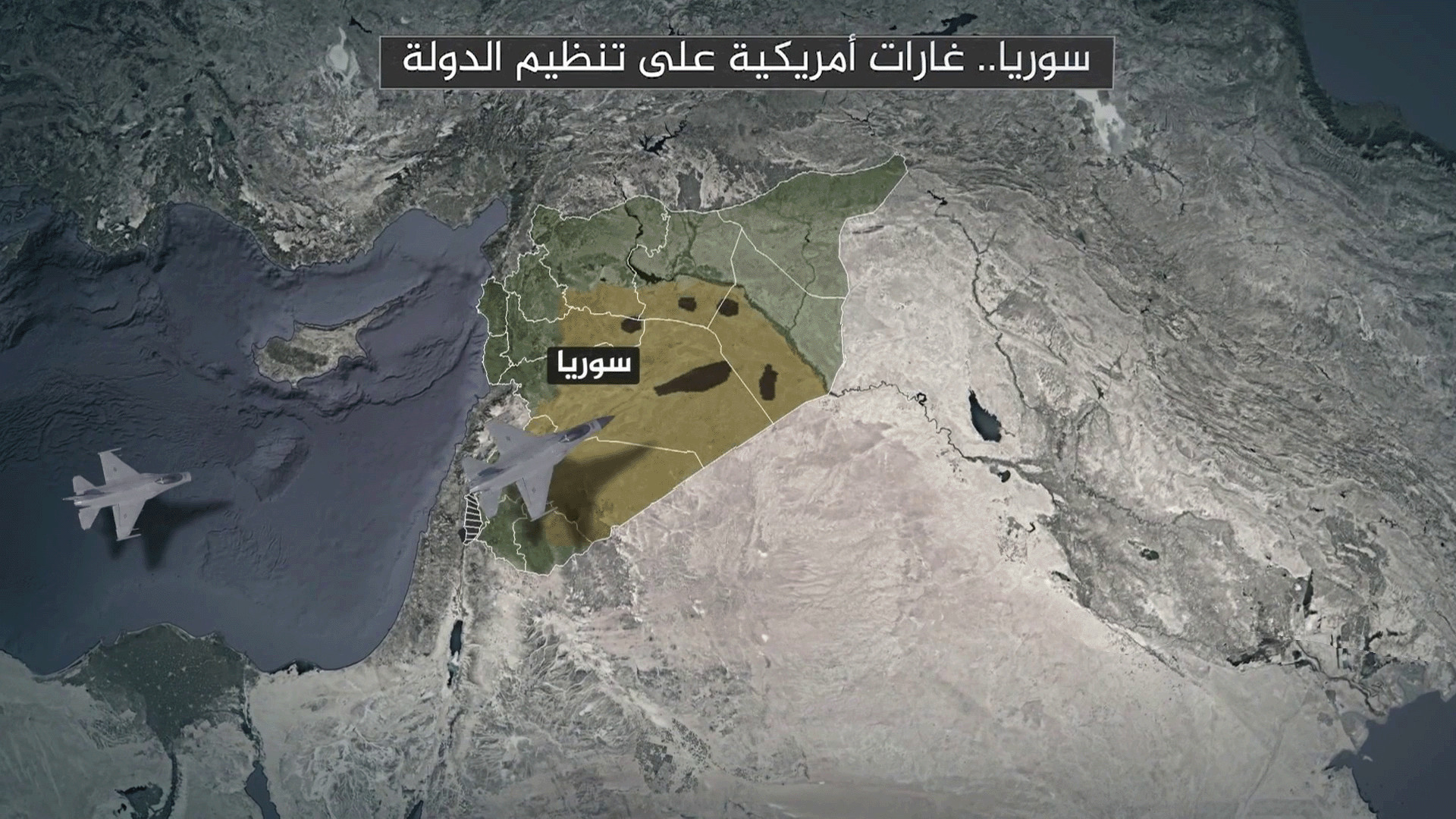
U.S. Central Command has reported that its forces conducted a series of strikes against over 70 ISIS targets in central Syria. The operation, utilizing artillery, aircraft, and helicopters, marks a significant escalation in the ongoing efforts to combat the remnants of the terrorist organization within the region.
According to a Syrian security source, the targeted locations were spread across the Syrian desert, specifically in the Homs desert, and the rural areas of Deir ez-Zor and Raqqa. The operation, codenamed “Eagle Eye,” is reportedly a direct response to the Palmyra attack that occurred a week prior, which resulted in the deaths of three U.S. personnel.
ISIS continues to maintain a presence in the Syrian desert, a vast expanse spanning approximately 90,000 square kilometers in the southeast of the country. This area represents roughly 65% of Syria’s total landmass, providing a challenging environment for counter-terrorism operations. The group’s persistent presence in this region highlights the ongoing security challenges facing Syria and the international coalition forces operating within the country.
In November, the Syrian Interior Ministry announced the execution of numerous raids and arrests targeting ISIS cells operating within the Syrian desert, as well as in the governorates of Deir ez-Zor, Homs, and rural Damascus. These operations demonstrate the Syrian government’s commitment to combating ISIS, but also underscore the enduring threat posed by the group’s dispersed network.
The “Eagle Eye” operation and the Syrian government’s ongoing efforts reflect a multi-pronged approach to dismantling ISIS and preventing its resurgence in the region. The long-term success of these efforts will depend on sustained international cooperation and a comprehensive strategy that addresses both the security and socio-economic factors that contribute to the group’s appeal.